
Why Are So Many Michelin-Starred and Celebrity Chef Restaurants Closing in the UK?
The UK’s fine dining scene is facing a dramatic shift, one that even seasoned observers didn’t anticipate. Over the past year, an alarming number of Michelin-starred restaurants and high-profile chef-led venues have closed their doors. These closures haven’t just affected independent restaurants or startups; they involve some of the biggest names in British culinary culture.
Even the most recognised personalities from shows like MasterChef are seeing their venues shut down, highlighting just how widespread the crisis is. As detailed in BigHospitality’s breakdown of recent fine dining struggles, the combined pressures of inflation, staffing shortages, and consumer behaviour shifts are reshaping the sector.
As Jasmine from our team reflects:
“It’s not just a business decision anymore; these closures feel like the end of an era for the British food scene.”
Which Celebrity Chef Restaurants Have Recently Closed?
Several of the UK’s most beloved chefs have seen their restaurants close within the past 12 to 18 months. From London’s West End to regional gems in Manchester and Cornwall, closures have been announced suddenly, often without much warning to the public. Below is a table highlighting some of the most prominent shutdowns:
Recent Michelin-Starred and Celebrity Chef Restaurant Closures
| Restaurant Name | Chef(s) | Location | Closure Date | Michelin-Starred |
| Mr White’s Steak, Pizza & Gin | Marco Pierre White | London, Cardiff | January 2024 | No |
| Mere | Monica Galetti | London | April 2024 | No |
| Le Gavroche | Michel Roux Jr | London (Mayfair) | January 2024 | Yes (2 stars) |
| Greens | Simon Rimmer | Manchester (2 branches) | Jan & Sep 2024 | No |
| Cornerstone | Tom Brown | Hackney, London | June 2024 | Yes |
| Oyster & Fish House | Mark Hix | Lyme Regis | 2024 | No |
| One Fish Street | Bradley Monk | St. Ives, Cornwall | January 2025 | No |
| Ibérica (Leeds, Canary Wharf, etc) | Nacho Manzano | Leeds, London | 2024 | No |
| Purnell’s | Glynn Purnell | Birmingham | October 2024 | Yes |
| The Collective | Craig Rogan | Leeds | Late 2024 | Yes |
| Socca | Samyukta Nair & Claude Bosi | Mayfair, London | November 2024 | Yes (Claude) |
These restaurants represent decades of culinary excellence and a connection to British culture through television, awards, and customer loyalty. Their closures are leaving both diners and the chefs themselves questioning what comes next.
What Happened to Marco Pierre White’s Restaurants?
One of the most iconic figures in British cooking, Marco Pierre White, made headlines when his flagship West End restaurant, Mr White’s Steak, Pizza & Gin House, suddenly closed in January 2024.
The closure came as a surprise to many, as it was initially described as a maintenance issue during the New Year holiday. However, the restaurant never reopened, and shortly afterwards, its Cardiff counterpart was also permanently shuttered.
The West End location had only been open since 2021. Despite White’s legacy, even top-tier establishments in premium locations like Leicester Square struggle to balance high rents and unpredictable footfall, an issue explored in The Caterer’s piece on London’s hospitality squeeze.
Despite these closures, Marco Pierre White still operates around 30 restaurant ventures across the UK, showing his determination to adapt.
Why Did Monica Galetti Close Her Restaurant Mere?
Monica Galetti, a well-known MasterChef judge, announced in April that she would be closing her Fitzrovia-based restaurant Mere after seven years. The venue had built a loyal following with its seasonal menus and exceptional wine list.
In a heartfelt message, Monica and her husband David thanked their staff and patrons, noting that it was simply the right time to move on. Their decision echoes a broader trend seen across the industry, where work-life balance is becoming increasingly important to chefs and restaurateurs.
As discussed in Restaurant Online’s editorial on chef burnout, the mental toll of maintaining a high-profile kitchen is leading more chefs to step away.
How Has the Closure of Le Gavroche Affected the Industry?
When Michel Roux Jr closed Le Gavroche in January 2024, it sent shockwaves across the hospitality world. As the first UK restaurant to receive a Michelin star in 1974, Le Gavroche was not just a restaurant; it was a British culinary institution.
Roux cited personal reasons for stepping away, stating that he wanted more time with his family. His decision highlighted the changing mindset among chefs, many of whom are now prioritising health and well-being over accolades.
Hannah from our team shared her thoughts:
“The closure of Le Gavroche doesn’t feel like a failure; it feels like a legacy handed back with grace. It tells us that even legends need rest.”
Are High Costs and Changing Customer Behaviour to Blame?
The current economic climate has made running a restaurant more challenging than ever. Inflation has pushed up the cost of ingredients, energy, and staffing, while post-Brexit import complications have made sourcing premium ingredients more expensive and time-consuming.
Simultaneously, customer behaviour has shifted. Diners are prioritising affordability and flexibility over multi-course, high-end meals. According to a recent BBC feature on post-pandemic diner trends, the average Brit is now more likely to seek value over luxury when eating out.
This is a tough environment for Michelin-level restaurants that must meet extremely high standards in all areas from sourcing to service, ambiance, and staffing.
Do Michelin Stars Still Hold the Same Value?
While the Michelin Guide still carries enormous prestige, some industry experts argue that the pressure to keep up with its expectations may be out of sync with today’s dining culture.
Restaurants that hold one Michelin star often face the greatest risk. They must still meet rigorous inspection criteria but may not attract the international diners or media attention that two- or three-star establishments receive. This puts pressure on the business model, as detailed in EHL Hospitality’s commentary on Michelin viability.
Even experienced restaurateurs like Glynn Purnell have faced backlash. When his Birmingham venue closed suddenly, customers holding gift vouchers were told they wouldn’t be refunded, a misstep that damaged the chef’s reputation and highlighted the financial complications of sudden closures.
What Are Chefs Doing After Closing Their Restaurants?
Some chefs have chosen to retreat temporarily, while others are already working on new ventures. Tom Brown, for example, closed Cornerstone but continues to operate Pearly Queen, a seafood venue in Shoreditch.
In Cornwall, Bradley Monk closed One Fish Street but signalled to fans that a new culinary chapter is on the horizon. These chefs are not disappearing; they’re evolving, exploring more agile formats such as pop-ups, tasting clubs, and event-based dining.
The closure of The Collective by Craig Rogan also drew attention for its abrupt nature. The team had planned a 2025 relaunch, but the landlord pulled the lease unexpectedly. The situation echoed many others, where external business pressures are just as influential as internal performance.
What Does This Mean for the Future of UK Fine Dining?
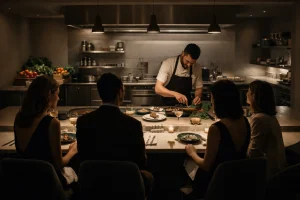
The future of fine dining in the UK is not bleak; it’s simply shifting. As the traditional model of multi-course, star-chasing restaurants becomes harder to sustain, a new wave of innovation is emerging.
More chefs are choosing to run smaller venues, engage in collaborative concepts, or offer direct-to-diner experiences such as private tastings or pop-up events. These formats offer creative freedom, financial flexibility, and better alignment with today’s diner expectations.
Jennifer from our editorial team said:
“Fine dining isn’t vanishing, it’s decentralising. Instead of one big iconic restaurant, we’re seeing chefs spread their creativity across multiple, more intimate projects. That could be the future of the British food scene.”
Frequently Asked Questions
Why are UK Michelin-starred restaurants closing in 2024–2025?
Economic pressures, rising costs, and shifting consumer habits have made it increasingly difficult for Michelin-level establishments to remain viable.
Are celebrity chefs struggling to keep their restaurants open?
Yes. Chefs like Marco Pierre White, Monica Galetti, and Simon Rimmer have all closed restaurants in the last year due to various operational challenges.
What role does the cost-of-living crisis play?
It has significantly affected diners’ spending habits, with many people opting for cheaper, more casual meals instead of luxury experiences.
Is a Michelin star still a valuable asset for UK restaurants?
While still prestigious, it comes with high costs and expectations that can be difficult to sustain, especially for one-star restaurants.
Are chefs retiring after closing their restaurants?
Not necessarily. Many are shifting to new formats such as pop-ups, private dining, or alternative restaurant concepts.
What happens to gift vouchers after a closure?
In some cases, like with Purnell’s, customers have not received refunds, causing backlash. It’s always best to check the terms at the time of purchase.
Will fine dining disappear from the UK?
No, but it is changing. The focus is moving toward sustainability, innovation, and flexible experiences over rigid, traditional formats.