
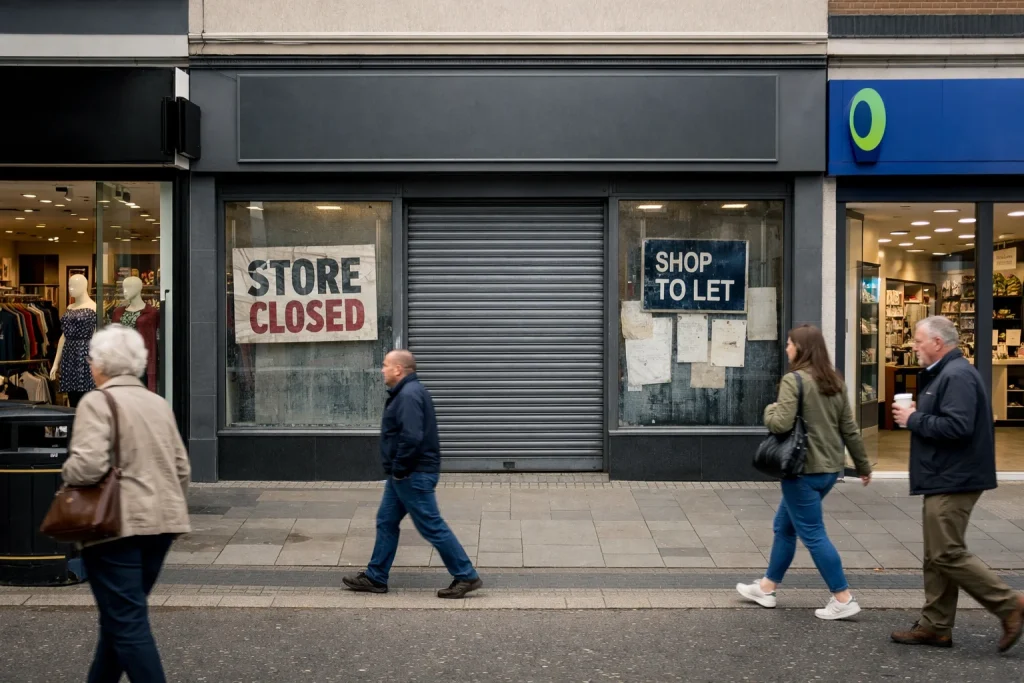
Why is Poundland closing over 100 stores across the UK?
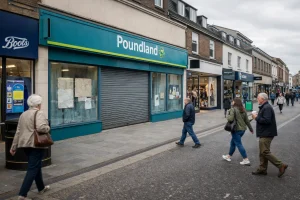
Poundland, once a cornerstone of the British high street, has undergone one of the most substantial retail restructuring programmes in recent memory. Following its sale from Pepco Group to a subsidiary of Gordon Brothers International LLC, Poundland announced plans to close dozens of its stores in what it described as a “restructuring and recovery” strategy. The aim was to return the business to a financially sustainable model after a period of underperformance.
What began as a list of 68 initial closures quickly expanded. A growing number of shops were shuttered due to lease expirations, rising rental costs, or landlords deciding not to renew agreements. Today, more than 100 Poundland stores have closed, with the company now expected to maintain a reduced network of around 650 to 700 branches, compared to the 800 locations it once operated.
While this may seem like a move focused purely on numbers, it’s a significant reflection of the changing face of retail in the UK, where even value-driven businesses must make difficult decisions to ensure their long-term survival.
Which Poundland stores have already closed, and how has Leicestershire been affected?
In the broader picture of national closures, some regions have felt the impact more than others. One notable example is Leicestershire, which has seen a sharp decline in the number of operational Poundland stores.
The Melton branch became the most recent to close, joining a list of five others in the county that had already shut their doors.
Leicestershire Poundland Store Closures
| Store Location | Closure Date |
| Charles Street, Leicester | August 10 |
| The Common, Market Harborough | October 9 |
| Belgrave Gate, Leicester | October 17 |
| Loughborough | November 14 |
| Thurmaston Shopping Centre | November 17 |
| Melton | December 4 |
This string of closures has left only three Poundland stores still operating in Leicestershire.
Poundland Stores Remaining in Leicestershire
| Store Location | Status |
| Gallowtree Gate | Open |
| Hinckley | Open |
| Wigston | Open |
For shoppers across the county, particularly in smaller towns, the closures have created a noticeable gap in affordable, local shopping options.
What has been the community response to the closures?
In towns where the closures have occurred, reactions from local shoppers have ranged from disappointment to frustration. For many, Poundland served as a reliable and accessible source of everyday essentials, particularly during times when the cost of living has been under intense pressure.
Speaking to local news following the Melton closure, one long-time customer said:
“It’s the only place where I could get everything I needed at a decent price without travelling far. Now I’ll have to take a bus just to pick up basics. It doesn’t feel fair to people who rely on these shops.”
This sentiment has been echoed across numerous communities. In many cases, Poundland stores were anchor tenants in local shopping precincts, helping draw in foot traffic that benefited surrounding small businesses. Their departure is often felt not just economically but emotionally as a sign that the local high street is becoming less viable.
What is driving these closures — internal strategy or external pressures?
While Poundland’s management has clearly stated that the closures are part of a deliberate strategy to restore growth, many of the more recent shutdowns have been driven by factors beyond the company’s control. Lease agreements have ended, landlords have declined to renew terms, and rental costs have become increasingly difficult to justify in underperforming locations.
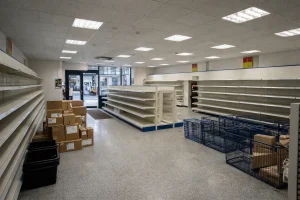
Poundland has emphasised that the closures are not a signal of retreat but a move toward a more focused and efficient operating model. Rather than maintaining an expansive store network for its own sake, the company is choosing to operate from locations where demand, footfall, and long-term profitability align.
This approach is similar to what other major UK retailers have adopted in recent years, trimming excess while investing in fewer, more strategically viable stores.
How has Poundland managed store closures for customers?
Poundland has not simply shut its doors and walked away. In most locations scheduled for closure, the retailer launched comprehensive clearance sales, offering discounts of up to 40% on all categories of goods. These reductions included everything from food and toiletries to clothing and household products.
According to Darren MacDonald, UK Country Manager for Poundland, these sales were intended to thank local shoppers and offer them continued value, even in the final weeks of trading.
The markdowns not only served to clear remaining stock but also to provide one final boost to the local community, giving shoppers a last opportunity to benefit from the discounts they had come to rely on.
What’s the broader picture of Poundland store closures?
The company’s store closure timeline shows how rapidly the shutdowns were executed following the launch of the restructuring plan.
Poundland Closure Timeline (UK-wide Overview)
| Closure Period | Number of Stores Closed | Notable Locations | Primary Reason |
| August to September | 57 | Multiple national sites | Strategic closures |
| October to December | 20+ | Hammersmith, Brighton, Grantham | Lease expiries |
| January | 12 | Yeovil, Mitcham, Bexhill | Landlord notice |
| February (planned) | 2 | Winton, Coatbridge | Lease issues |
| Total Closed | 100+ | National | Restructuring & leases |
This closure programme has been one of the most extensive for a major UK retailer in recent times.
What’s happening to the jobs affected by store closures?
Job losses have been one of the most serious consequences of the closures. While the company has not released an official final tally, estimates suggest that over 2,000 roles may have been impacted nationally. This figure includes shop-floor staff, managers, and warehouse personnel.
Poundland has tried to redeploy affected employees to nearby stores wherever possible. However, in smaller towns or areas with multiple closures, these opportunities have been limited.
Local authorities and unions have raised concerns about the long-term employment outlook in affected areas. In many towns, retail remains a critical sector for local jobs, and the loss of a major employer like Poundland can have ripple effects throughout the local economy.
What businesses are taking over former Poundland locations?
Not all closed locations are remaining vacant. In several cases, other retailers have already stepped in to take over the physical space.
One notable example is Jollyes, the UK’s fastest-growing pet superstore chain. The company has opened multiple stores in former Poundland units as part of its expansion strategy.
Jollyes Stores Opened in Former Poundland Locations
| Location | Opening Date |
| Thurrock Shopping Park | November 28 |
| Swinden Retail Park, Colne | November 29 |
| St Nicholas Gate Retail Park, Carlisle | December 6 |
| Princess Way Retail Park, Burnley | December 13 |
| (Fifth store location TBC) | Planned |
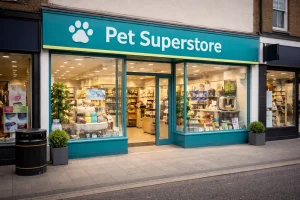
This trend of retail repurposing offers some hope that empty Poundland units won’t become long-term voids. It also reflects a broader shift in retail dynamics where sectors like pet care, fitness, and value-driven food and drink outlets are beginning to fill the gaps left by traditional retailers.
Is Poundland still relevant on the high street?
Despite the high number of closures, Poundland remains one of the most recognisable names in UK retail. With a continued presence in hundreds of towns and cities, the company is refocusing its operations rather than retreating entirely.
Current strategy suggests a shift toward:
- Operating fewer but more profitable stores
- Exploring larger store formats with more diverse product offerings
- Potentially developing stronger digital and delivery services for future growth
The brand still maintains strong recognition among British consumers, particularly in areas where affordability remains a top priority.
In many ways, Poundland’s current situation reflects the wider state of British retail, not disappearing, but evolving. The high street is changing, and Poundland is adjusting its approach to remain part of that future.
FAQs About Poundland Closure
Why is Poundland closing so many stores?
The closures are part of a restructuring plan aimed at building a more sustainable business model, following a change in ownership and continued underperformance.
Which Leicestershire Poundland stores have closed?
Stores in Charles Street, Belgrave Gate, Loughborough, Thurmaston Shopping Centre, Market Harborough, and Melton have closed, leaving only three branches in the county.
Is Poundland still operating in the UK?
Yes, Poundland continues to operate across the UK with a leaner network of stores focused on long-term profitability.
What discounts were available before closures?
Clearance sales of up to 40% off were offered across all product categories before the stores closed permanently.
Are any businesses replacing Poundland locations?
Yes, pet superstore chain Jollyes has already opened several new stores in former Poundland locations as part of its national expansion.
Are more Poundland closures expected?
While further closures cannot be ruled out, the company appears to have completed the majority of its restructuring programme.
Will Poundland improve its online shopping options?
Although not formally confirmed, there is increasing speculation that Poundland may expand its digital offering to complement its in-store presence.