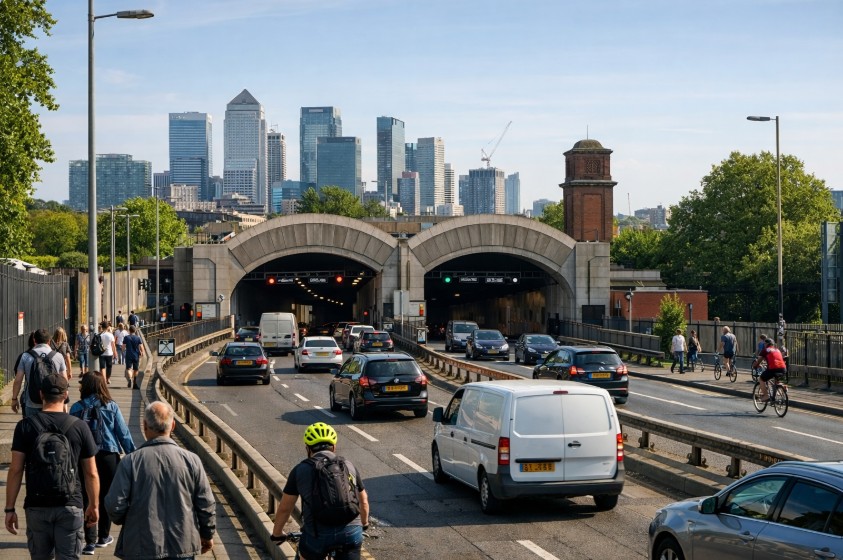
🚧 BLACKWALL TUNNEL CLOSURE – 2026 TRAFFIC ALERT
Maintenance Period: 14 November 2025 (10pm) – 1 December 2026 (5am)
Major Overnight Closures Across the A102 Corridor:
The Blackwall Tunnel closure impacts both the tunnel and key approach roads, including on-slip connections from East India Dock Road and Brunswick Road. Most restrictions operate between 21:00–05:00 or 22:00–05:00.
⏱️ Closure Highlights:
Long-term maintenance through December 2026
Alternate Sunday closures (01:00–08:00)
Northbound refurbishment five nights weekly
Diversions via East India Dock Road, Lower Lea Crossing & Silvertown approach
Drivers should prepare for congestion across the A12, A13, Canary Wharf routes, and Greenwich Peninsula approaches during active closure windows.
Key Overview:
- Project Duration: November 2025 – December 2026
- Typical Night Closures: 21:00–05:00 or 22:00–05:00
- Mainly Affected: A102 Northern & Southern Approaches
- Alternative Crossings: Rotherhithe Tunnel, Tower Bridge, Woolwich Ferry
While the Blackwall Tunnel closure may disrupt overnight travel, the long-term goal is safer, smoother and more reliable journeys across the Thames.
Why Is the Blackwall Tunnel Closure Taking Place in 2026?
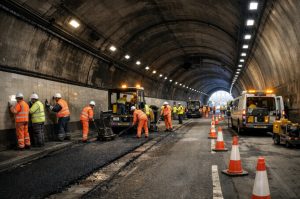
The Blackwall Tunnel has been a critical Thames crossing since the late 19th century, carrying high volumes of traffic daily between north and south London. Due to its age, traffic density, and structural complexity, continuous maintenance is essential to ensure safety and operational reliability.
Transport for London (TfL) has confirmed that the upcoming closure programme supports:
- Routine structural maintenance
- Carriageway resurfacing
- Safety inspections and system upgrades
- Northbound tunnel refurbishment
- Maintenance of northern and southern approaches
These works are carried out under the Road Traffic Regulation Act 1984, which enables temporary traffic orders to facilitate essential infrastructure projects.
Importantly, the closures do not represent emergency repairs but rather preventative and long-term maintenance. This proactive approach is designed to reduce the likelihood of unexpected breakdowns or emergency shutdowns in the future.
A TfL representative explained during consultation discussions:
“Planned overnight closures allow us to carry out complex engineering safely while limiting daytime disruption.”
Although disruptive, the maintenance programme aims to secure the tunnel’s operational reliability for years to come.
What Is the Full Blackwall Tunnel Closure Schedule from 2025 to 2026?
Understanding the schedule is crucial. The Blackwall Tunnel closure programme consists of multiple layers of restrictions operating across different timeframes.
Long-Term Maintenance (14 November 2025 – 1 December 2026)
The long-term maintenance window begins:
- Start: 10pm, 14 November 2025
- End: 5am, 1 December 2026 (or until works are completed)
This period affects:
- Blackwall Tunnel (both directions at scheduled times)
- Blackwall Tunnel Northern Approach (A102)
- Blackwall Tunnel Southern Approach
- Specific on-slip roads from East India Dock Road
Closures typically operate between 10pm and 5am, though times may vary depending on engineering requirements.
Regular Alternate Sunday Closures (01:00–08:00)
Routine maintenance closures will continue on alternate Sunday mornings, generally between 01:00 and 08:00.
These early morning slots are chosen to reduce weekday commuter impact. However, late-night Saturday traffic and early Sunday airport journeys may still experience disruption.
Northbound Refurbishment (21:00–05:00, Five Nights Weekly)
Northbound refurbishment works introduce more frequent overnight closures:
- Time: 21:00 to 05:00
- Frequency: Five nights per week
This primarily affects traffic travelling from Greenwich towards Tower Hamlets and Canary Wharf.
Weekend Southbound Construction Closures
On selected weekends, southbound closures may occur to facilitate construction and resurfacing works. During these periods, full carriageway shutdowns are possible, with diversion routes clearly signposted.
The table below summarises the schedule types:
| Closure Type | Direction | Time | Frequency | Main Impact |
| Long-Term Maintenance | Both (varied) | 22:00–05:00 | Ongoing (Nov 2025–Dec 2026) | Tunnel + approaches |
| Sunday Routine Closures | Varied | 01:00–08:00 | Alternate Sundays | Tunnel traffic |
| Northbound Refurbishment | Northbound | 21:00–05:00 | 5 nights weekly | A102 northbound |
| Weekend Construction | Southbound | Varies | Selected weekends | Southern approach |
Which Roads and Areas Are Affected by the Blackwall Tunnel Closure?
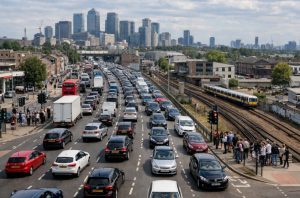
The Blackwall Tunnel closure does not apply solely to the tunnel bore itself. Instead, the restrictions extend across key sections of the A102 corridor and its connected slip roads, particularly where vehicles merge into or exit from the main northbound and southbound carriageways.
This broader impact is important for drivers who may assume the tunnel alone is closed, only to encounter restrictions on approach roads.
Affected areas include:
- Blackwall Tunnel Northern Approach (A102)
- Blackwall Tunnel Southern Approach
- Unnamed on-slip road connecting East India Dock Road to the southbound Northern Approach
- Brunswick Road on-slip to the southbound Northern Approach
- Sections between Brunswick Road off-slip and Silvertown Tunnel Southern Approach Road
The boroughs most directly impacted are:
- Tower Hamlets
- Greenwich
Traffic signs will indicate active closures at specific times. It is important to note that restrictions apply only during signed operational hours. Emergency vehicles, works vehicles, and authorised personnel are exempt under the temporary order provisions.
What Diversions Are in Place During the Blackwall Tunnel Closure?
TfL has confirmed that diversion routes will be clearly signposted during each closure period. Drivers should follow roadside instructions rather than relying solely on sat-nav systems, as real-time updates may lag behind live road management decisions.
Primary diversion routes include:
- East India Dock Road
- Leamouth Road
- Lower Lea Crossing
- Silvertown Tunnel Southern Approach
These routes are designed to redistribute traffic efficiently while maintaining access between north and south London.
A delivery driver operating in Docklands commented
“When the tunnel shuts, the diversions aren’t complicated — but the traffic builds up quickly.”
Proper planning and early departure times can significantly reduce journey stress.
How Will the Blackwall Tunnel Closure Affect Traffic in East London?
The Blackwall Tunnel is one of the busiest Thames crossings in the capital, carrying substantial commuter and commercial traffic daily. Even though most closures occur overnight, their impact can extend beyond the immediate hours of restriction.
Motorists should expect increased congestion on:
- A12
- A13
- Lower Lea Crossing
- Canary Wharf access roads
- Greenwich Peninsula approaches
Traffic build-up may begin earlier in the evening as drivers adjust their routes in anticipation of the 21:00 or 22:00 closure windows. Similarly, early-morning congestion can occur shortly before the 05:00 reopening time, particularly on weekday northbound routes.
Peak delay periods are likely during:
- Weekday early mornings (before 05:00 reopening)
- Late-night freight movement windows
- Weekend event days in central or east London
Although closures are structured to minimise daytime disruption, surrounding roads may still experience slower traffic flow and extended journey times.
What Alternative River Crossings Can Drivers Use Instead of the Blackwall Tunnel?
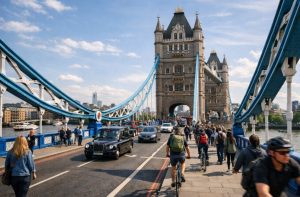
When the Blackwall Tunnel closure is active, motorists may need to rely on alternative Thames crossings depending on their direction of travel and vehicle type.
| Alternative Crossing | Location | Suitability | Limitations |
| Rotherhithe Tunnel | West of Blackwall | Cars, small vans | Height restrictions |
| Tower Bridge | Central London | All vehicles (subject to traffic) | High congestion |
| Woolwich Ferry | East London | Vehicles & pedestrians | Limited operating hours |
| Dartford Crossing | Further east | Long-distance traffic | Toll charges & distance |
Each alternative presents trade-offs. Rotherhithe Tunnel has vehicle height restrictions, Tower Bridge experiences heavy congestion, and Woolwich Ferry operates on scheduled hours.
Drivers should evaluate journey purpose, vehicle type, and time of travel before selecting an alternative.
How Bad Will Delays Be and Who Is Most Affected?
While TfL schedules most works overnight to reduce disruption, delays are unavoidable when a major river crossing is closed.
Most affected groups include:
- Night-shift workers
- Logistics and freight operators
- Tradespeople travelling early morning
- Airport transfer drivers
- Residents in Greenwich and Tower Hamlets
Delivery services and time-sensitive operations may experience operational adjustments, particularly during five-night weekly northbound refurbishment closures.
During active restriction periods, additional travel times of approximately 15–40 minutes are possible, depending on chosen diversion routes and prevailing traffic conditions. On selected weekend construction closures, delays may exceed this estimate.
Businesses relying on consistent cross-river movement should factor these variations into scheduling and staffing decisions.
How Can Drivers Check Live Blackwall Tunnel Traffic Updates?

Given the dynamic nature of traffic management during the Blackwall Tunnel closure period, real-time monitoring is essential. Conditions can change quickly depending on engineering progress or unexpected incidents.
Drivers should consult:
- Transport for London Road Status updates
- The AA Route Planner traffic news
- Local radio travel bulletins
Checking conditions shortly before departure, especially during late-night or early-morning journeys, can help motorists avoid unnecessary congestion and identify alternative routes promptly.
What Should Commuters and Businesses Do to Prepare?
Preparation is key during the extended Blackwall Tunnel maintenance programme, which spans more than a year. Rather than viewing each closure as an isolated event, commuters and businesses should adopt a longer-term planning approach.
Businesses and commuters are advised to:
- Allow additional travel time
- Monitor TfL announcements regularly
- Consider flexible working hours where possible
- Adjust delivery or service schedules
- Review navigation apps for live updates
Adopting flexible travel strategies can significantly reduce operational disruption. For organisations managing fleets or scheduled services, proactive communication with staff and clients will be particularly important.
Summary of Blackwall Tunnel Closure Types (2026 Overview Table)
The following table provides a consolidated overview of the different closure categories affecting the Blackwall Tunnel during 2026.
| Category | Duration | Primary Direction | Typical Time | Traffic Expectation |
| Infrastructure Maintenance | Nov 2025–Dec 2026 | Both | 22:00–05:00 | Moderate–High |
| Routine Sunday Works | Ongoing | Varied | 01:00–08:00 | Moderate |
| Northbound Refurbishment | Multi-month | Northbound | 21:00–05:00 | High (weekday nights) |
| Weekend Construction | Selected weekends | Southbound | Varies | High |
Understanding these patterns allows drivers to anticipate when disruption is most likely and adjust accordingly.
What Is the Long-Term Impact of the Blackwall Tunnel Closure?
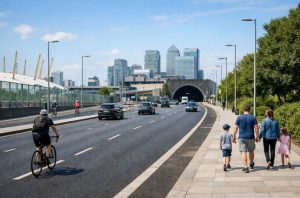
Although the Blackwall Tunnel closure programme may feel disruptive in the short term, the long-term benefits are significant.
The works aim to:
- Extend the tunnel’s lifespan
- Improve carriageway conditions
- Enhance safety systems
- Reduce risk of unplanned emergency closures
- Improve reliability for freight and commuter traffic
Comprehensive infrastructure maintenance of this scale helps safeguard one of London’s busiest and most strategically important river crossings.
By investing in preventative maintenance now, TfL aims to minimise future large-scale disruptions and ensure consistent connectivity between north and south London for decades to come.
Conclusion
The Blackwall Tunnel closure 2026 programme represents a substantial but necessary infrastructure project affecting the A102 corridor and surrounding boroughs.
Running from November 2025 until December 2026, the schedule includes long-term overnight works, alternate Sunday closures, northbound refurbishment, and occasional weekend southbound shutdowns.
Drivers should expect delays, particularly during active night works, and should familiarise themselves with diversion routes such as East India Dock Road, Lower Lea Crossing, and alternative Thames crossings.
With proactive planning, real-time traffic monitoring, and flexible scheduling where possible, motorists and businesses can mitigate much of the disruption.
Staying informed is the key to navigating this extended period of essential works.
Frequently Asked Questions About Blackwall Tunnel Closure
Will emergency vehicles be affected during the Blackwall Tunnel closure?
Emergency vehicles such as fire, ambulance, and police services are exempt from restrictions under the temporary traffic orders and may pass through when required.
Are buses diverted during overnight closures?
Yes, bus routes using the tunnel are typically diverted during active closures. TfL provides updated route information during maintenance periods.
Is the Silvertown Tunnel a permanent alternative route?
The Silvertown Tunnel provides additional Thames crossing capacity and may form part of diversion routes, but its usage depends on traffic management instructions during closures.
Will congestion charges apply on diversion routes?
Congestion charge zones operate independently of the closure programme. Drivers should check whether alternative routes enter charging areas.
How early should drivers plan for delays during major closures?
Allowing at least 20–40 minutes of additional travel time during active overnight or weekend closures is advisable.
Are cyclists affected by the tunnel maintenance works?
Cyclists do not typically use the Blackwall Tunnel itself, but surrounding road diversions may alter traffic patterns affecting cycle routes nearby.
Could closure dates change due to weather or engineering delays?
Yes, large infrastructure projects may be adjusted depending on weather conditions or technical requirements. TfL will issue updates where necessary.
Where can official closure notices be accessed?
Official notices are available through TfL announcements and statutory publications such as the Public Notice Portal.
{
“@context”: “https://schema.org”,
“@type”: “FAQPage”,
“mainEntity”: [
{
“@type”: “Question”,
“name”: “Will emergency vehicles be affected during the Blackwall Tunnel closure?”,
“acceptedAnswer”: {
“@type”: “Answer”,
“text”: “Emergency vehicles such as fire, ambulance, and police services are exempt from restrictions under temporary traffic orders and may pass through when required.”
}
},
{
“@type”: “Question”,
“name”: “Are buses diverted during overnight closures?”,
“acceptedAnswer”: {
“@type”: “Answer”,
“text”: “Yes, bus routes using the tunnel are typically diverted during active closures. TfL provides updated route information during maintenance periods.”
}
},
{
“@type”: “Question”,
“name”: “Is the Silvertown Tunnel a permanent alternative route?”,
“acceptedAnswer”: {
“@type”: “Answer”,
“text”: “The Silvertown Tunnel provides additional Thames crossing capacity and may form part of diversion routes, depending on traffic management instructions during closures.”
}
},
{
“@type”: “Question”,
“name”: “Will congestion charges apply on diversion routes?”,
“acceptedAnswer”: {
“@type”: “Answer”,
“text”: “Congestion charge zones operate independently of the closure programme. Drivers should check whether alternative routes enter charging areas.”
}
},
{
“@type”: “Question”,
“name”: “How early should drivers plan for delays during major closures?”,
“acceptedAnswer”: {
“@type”: “Answer”,
“text”: “Allowing at least 20–40 minutes of additional travel time during active overnight or weekend closures is advisable.”
}
},
{
“@type”: “Question”,
“name”: “Are cyclists affected by the tunnel maintenance works?”,
“acceptedAnswer”: {
“@type”: “Answer”,
“text”: “Cyclists do not typically use the Blackwall Tunnel itself, but surrounding road diversions may alter traffic patterns affecting nearby cycle routes.”
}
},
{
“@type”: “Question”,
“name”: “Could closure dates change due to weather or engineering delays?”,
“acceptedAnswer”: {
“@type”: “Answer”,
“text”: “Yes, large infrastructure projects may be adjusted depending on weather conditions or technical requirements. TfL will issue updates where necessary.”
}
},
{
“@type”: “Question”,
“name”: “Where can official closure notices be accessed?”,
“acceptedAnswer”: {
“@type”: “Answer”,
“text”: “Official closure notices are available through TfL announcements and statutory publications such as the Public Notice Portal.”
}
}
]
}
{
“@context”: “http://schema.org/”,
“@type”: “Article”,
“mainEntityOfPage”: {
“@type”: “WebPage”,
“@id”: “https://www.prestonblog.co.uk/blackwall-tunnel-closure/”
},
“author”: {
“@type”: “Person”,
“name”: “Jennifer”
},
“publisher”: {
“@type”: “Organization”,
“name”: “Jennifer”,
“logo”: {
“@type”: “ImageObject”,
“url”: “http://www.prestonblog.co.uk/wp-content/uploads/2025/12/Preston-Blog-Logo.png”
}
},
“headline”: “Blackwall Tunnel Closure 2026 – Full Schedule, Night Closures & Diversions”,
“image”: “http://www.prestonblog.co.uk/wp-content/uploads/2026/02/Blackwall-Tunnel-Closure-2026-Full-Schedule-Night-Closures-Diversions.jpg”,
“datePublished”: “2026-02-16”,
“dateModified”: “2026-02-16”
}