
Key Takeaways:
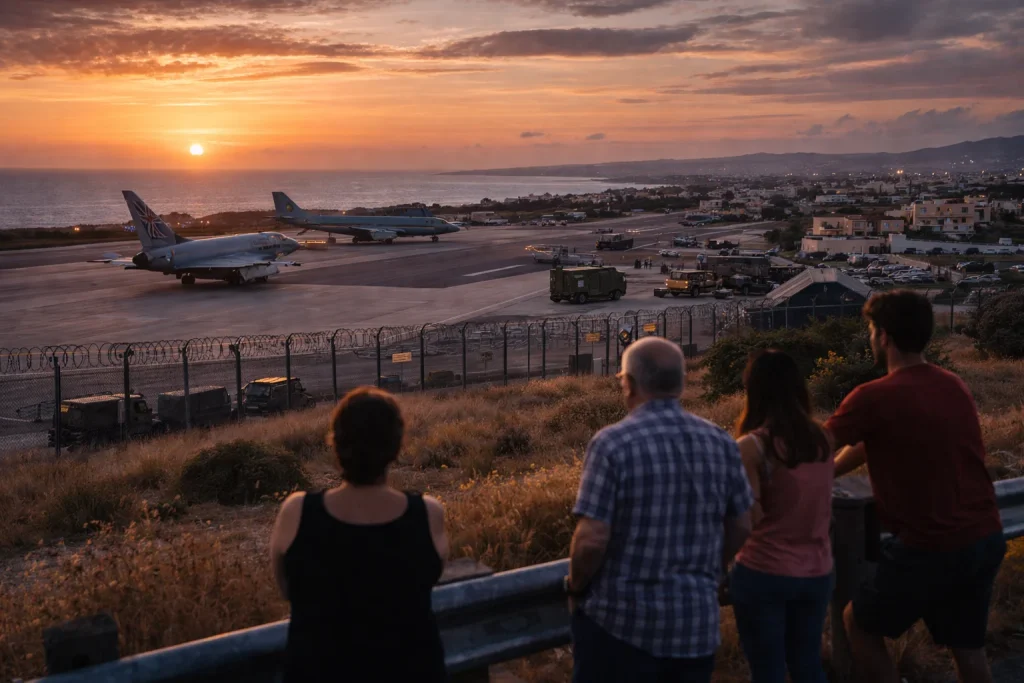
- Britain will continue to control RAF Akrotiri and Dhekelia in 2026.
- New legal changes are likely to affect property, residency and civilian access.
- Cyprus residents are demanding more control over land and local rights.
- The UK sees the bases as strategically important for Middle East security.
- Protests against the bases have increased because of regional conflict.
- British citizens living near the bases may face updated legal rules.
- The 2026 reforms could reshape UK-Cyprus relations for years.
Why Does Britain Still Have Military Bases in Cyprus?
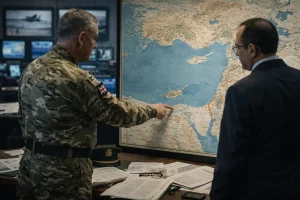
Britain still controls military bases in Cyprus because of the 1960 agreement that granted Cyprus independence from British rule.
Under that settlement, Britain retained two Sovereign Base Areas, known as RAF Akrotiri and Dhekelia. These areas cover around three per cent of Cyprus and remain under British jurisdiction.
The agreement was originally designed to protect Britain’s military interests in the eastern Mediterranean. Cyprus sits in a highly strategic position between Europe, the Middle East and North Africa.
As a result, successive British governments have viewed the bases as essential to national security and international defence operations.
Strategic Value in 2026 The bases remain essential for rapid response across the Eastern Mediterranean.
- * RAF Akrotiri: Serves as a primary hub for air operations and intelligence gathering.
- * Dhekelia: Functions as a critical center for army logistics and communications.
- * Middle East Operations: The bases support missions related to Iraq, Syria, and regional tensions involving Iran and Gaza.
“RAF Akrotiri has become one of the United Kingdom’s most strategically valuable overseas assets,” notes Dr. Helen Morris, Senior Lecturer in Defence Policy. “Its position allows Britain to respond rapidly to crises without relying on mainland Europe”.
The 1960 Independence Agreement
When Cyprus became independent in 1960, Britain negotiated the right to keep the two military areas permanently. Unlike a temporary military lease, the Sovereign Base Areas became British territory for defence purposes.
This arrangement created a unique legal situation. Cyprus became an independent state, but Britain retained control over specific areas that are not formally part of the United Kingdom itself.
The legal framework has remained largely unchanged for more than sixty years, which is why the 2026 reforms are receiving so much attention.
How the Sovereign Base Areas Were Created?
The Sovereign Base Areas were created through the Treaty of Establishment signed by Britain, Cyprus, Greece and Turkey. The treaty gave Britain authority over Akrotiri in the south and Dhekelia in the east.
Although Britain promised not to use the areas for civilian expansion, local communities have gradually developed around them.
This has led to disputes over:
- Property ownership
- Planning permission
- Access to roads and land
- Rights for residents living inside the base areas
| Sovereign Base Area | Location | Main Military Use |
| RAF Akrotiri | Southern Cyprus near Limassol | Air operations and intelligence |
| Dhekelia | Eastern Cyprus near Larnaca | Army operations and logistics |
What Are RAF Akrotiri and Dhekelia Used for Today?
RAF Akrotiri and Dhekelia are no longer used only for traditional military training. Today, they support air missions, surveillance, intelligence gathering and emergency operations across the Middle East.
RAF Akrotiri has become one of Britain’s most important overseas military sites. Aircraft have launched from the base for operations linked to Iraq, Syria and more recently tensions involving Iran and Gaza. Dhekelia plays a smaller but still significant role in communications and army logistics.
“Dr Helen Morris, Senior Lecturer in Defence Policy: “RAF Akrotiri has become one of the United Kingdom’s most strategically valuable overseas assets. Its position allows Britain to respond rapidly to crises across the eastern Mediterranean and Middle East without relying on mainland Europe.””
The increasing use of the bases has also raised political tensions inside Cyprus. Many residents argue that the island is being placed at greater risk because of decisions made by Britain and its allies.
What Legal Changes Are Expected for Britain Cyprus Military Bases in 2026?

The main legal changes expected in 2026 relate to civilian rights within the Sovereign Base Areas. British and Cypriot officials are believed to be discussing new rules covering land ownership, residency permits and planning decisions.
Many people living near Akrotiri and Dhekelia have complained that the current legal system is confusing. Residents often deal with both Cypriot and British authorities at the same time, which can delay building permits and property sales.
The likely changes include:
- Easier approval for home extensions and land development
- Clearer rules for British citizens living in the base areas
- Greater cooperation between British and Cypriot courts
- Updated rights for local businesses operating inside the bases
| Area of Law | Current Situation | Expected 2026 Change |
| Property Ownership | Complex and delayed approval process. | Faster approvals and clearer ownership rights. |
| Residency | Fragmented rules for British and Cypriot residents. | A consistent, unified residency framework. |
| Planning Permission | Controlled strictly by base authorities. | Shared oversight with Cypriot local authorities. |
- Property Certainty: Residents will gain easier approval for home extensions and land development.
- Post-Brexit Residency: British nationals living in the SBAs will benefit from simpler rules for residency permits and property registration.
- Civilian Access: New arrangements will improve public access to roads, beaches, and farmland that were previously restricted.
New Property and Residency Rules
One of the most important changes could involve property rights. Residents near the military bases have argued for years that they face unnecessary restrictions when buying, selling or extending homes.
The 2026 reforms are expected to give local communities more certainty. British nationals who own homes in Cyprus may also benefit from simpler residency rules, especially following Brexit.
Many experts believe the new laws will create a more balanced system. Britain is likely to keep military control, but local people may gain stronger rights over their own land and property.
Changes to Civilian Access and Local Rights
Another issue involves access to roads, beaches and farmland located inside or near the Sovereign Base Areas. Some residents currently need permission to cross military land or use nearby facilities.
The 2026 changes may introduce new public access arrangements. These could include clearer travel routes, improved access to coastal areas and simplified permits for farmers and business owners.
This would not remove Britain’s authority over the bases, but it would reduce tension between the military and surrounding communities.
How Could the 2026 Legal Changes Affect Cypriot Residents?
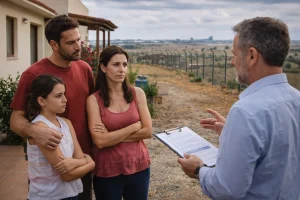
For Cypriot residents, the new legal framework may have both advantages and disadvantages. On one hand, the reforms could improve rights over land, housing and local services. On the other hand, many people worry that the changes will still leave too much power in British hands.
In villages close to RAF Akrotiri, local families have become increasingly concerned about military activity. Drone incidents and fears of regional conflict have increased public pressure for reform.
“Maria Christofi, Cyprus Constitutional Lawyer: “Most residents do not object to security cooperation itself. Their frustration comes from the lack of transparency and the feeling that local communities have too little influence over decisions affecting their homes and land.””
Local Communities and Property Disputes
Property disputes have been one of the biggest complaints for decades. Some residents have been unable to extend houses or sell land because of military regulations. Others have argued that the base authorities take too long to approve planning requests.
The new legal proposals may introduce a faster process with greater involvement from local councils. If this happens, it could reduce long-running disputes and improve trust between residents and the authorities.
Security Concerns Near RAF Akrotiri
Many Cypriots living near RAF Akrotiri have become increasingly worried about the possibility of military escalation. Reports of drones and missile threats have led some families to question whether the bases make Cyprus less safe.
Recent protests in Limassol and other areas show that public opinion is becoming more divided. Some residents still believe the bases protect Cyprus, while others believe they attract danger.
Why Are Local Communities Opposing the British Bases?
Opposition to the British military presence has grown because many Cypriots see the bases as a reminder of colonial rule. Others believe the facilities involve Cyprus in international conflicts that have nothing to do with the island.
Local campaign groups argue that the bases should either be reduced or removed entirely. They also want more legal rights for communities living nearby.
Several concerns appear repeatedly in public debates:
- Fear of becoming a target during regional wars
- Anger over limited control of local land
- Frustration with British legal authority in Cyprus
- Concerns about environmental and noise issues
Could Britain’s Cyprus Military Bases Become a Bigger Target in 2026?
The risk to RAF Akrotiri and Dhekelia may increase in 2026 if tensions in the Middle East continue. The bases have become more important for British and allied operations, particularly during crises involving Iran, Syria and Gaza.
Because of this role, some analysts believe the military facilities may become more vulnerable to cyber attacks, drone strikes or protests. Britain has already increased security around RAF Akrotiri, and further investment is likely in 2026.
| Potential Threat | Why It Matters | Possible Response |
| Drone Attacks | RAF Akrotiri is close to conflict zones | Stronger air defence systems |
| Cyber Security Risks | Military intelligence systems could be targeted | New digital security measures |
| Local Protests | Public opposition may increase | More communication with residents |
“Colonel James Rutherford, Former RAF Operations Adviser: “The legal reforms planned for 2026 are not only about property and local rights. They are also part of a wider effort to ensure the bases remain politically sustainable during a period of increasing regional instability.”
How Do the New Laws Affect British Citizens Living Near the Bases?
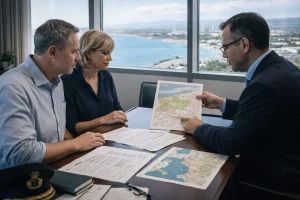
British citizens who live or own property near the military bases could benefit from the legal reforms. Since Brexit, there has been uncertainty about residency rights and how British nationals fit within Cyprus’s legal system.
The 2026 changes may make it easier for British citizens to:
- Register property ownership
- Apply for residency permits
- Access services near the base areas
- Resolve disputes with local authorities
Residency Rules for British Nationals
Many British people living in Cyprus have struggled to understand whether they fall under British, Cypriot or Sovereign Base Area rules. The new proposals aim to make this clearer.
If approved, the reforms may create a single system for British nationals living near Akrotiri and Dhekelia. This would reduce confusion and make legal requirements easier to follow.
Business and Employment Opportunities
The changes could also help local businesses and workers. Shops, cafés and service providers near the bases depend heavily on military staff and their families.
A more modern legal system could encourage investment in nearby areas, particularly around Limassol and Larnaca. Businesses may find it easier to obtain licences and operate across the boundary between Cyprus and the Sovereign Base Areas.
Are Britain Cyprus Military Bases Still Necessary Today?
Supporters of the bases argue that they remain essential for Britain’s global defence strategy. Cyprus provides a location that is much closer to the Middle East than Britain itself. This allows aircraft and military personnel to respond quickly during emergencies.
Critics disagree. They argue that modern technology means Britain no longer needs permanent overseas bases on the island. They also believe the military presence damages relations with local communities.
The debate is likely to continue beyond 2026 because both sides believe the issue affects Cyprus’s future.
The Social Impact: Why Local Communities are Protesting?
Despite the reforms, opposition remains rooted in the perception of the bases as a colonial legacy
- Target Risk: Residents fear that regional conflicts make the island a target for drone strikes or missile threats
- Transparency Gap: Maria Christofi, a Cyprus Constitutional Lawyer, notes that frustration often stems from a lack of transparency in how decisions affecting local land are made.
- 2026 Security Outlook: Britain is expected to increase investment in air defence and cybersecurity to counter rising drone and digital risks
Conclusion
The British Cyprus military bases will almost certainly remain in place after 2026, but the legal framework surrounding them is likely to change significantly. New rules on property, residency and local access could give Cypriot residents and British nationals more certainty.
At the same time, Britain will continue to use RAF Akrotiri and Dhekelia for military and intelligence purposes. The challenge for both governments is finding a balance between national security and local rights. If the reforms succeed, they could reduce tensions and modernise a relationship that has remained largely unchanged since 1960.
FAQs
Will Britain still own the military bases in Cyprus after 2026?
Yes. Britain is expected to keep control of RAF Akrotiri and Dhekelia even after the new legal changes are introduced.
Are RAF Akrotiri and Dhekelia part of the United Kingdom?
No. They are British Sovereign Base Areas located in Cyprus, but they are not formally part of the United Kingdom.
What is changing in 2026 for Cyprus military bases?
The main changes are expected to involve property rights, residency rules, planning permission and access for local residents.
Can British citizens buy property near the bases?
Yes. British citizens can buy property near the bases, although certain areas currently require extra approval from military authorities.
Why are some Cypriots protesting against the bases?
Many Cypriots believe the bases are a symbol of colonial rule and fear that they make Cyprus a target during regional conflicts.
Does RAF Akrotiri play a role in Middle East operations?
Yes. RAF Akrotiri is frequently used for British and allied military operations in the Middle East.
Could the legal changes reduce tension between Britain and Cyprus?
Potentially. If the reforms give residents greater rights and improve transparency, they may reduce some of the long-running disagreements over the bases.