

Why Do Drivers Need to Renew Their Driving Licence Over 70 in the UK?
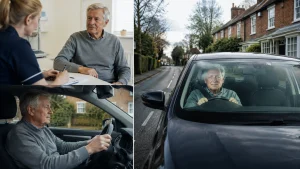
The UK government requires drivers aged 70 or above to renew their driving licence every three years to ensure they remain medically fit and safe to drive.
Unlike younger drivers who may hold a licence for decades without review, older drivers must regularly confirm that they still meet DVLA driving standards.
The renewal system is mainly focused on road safety rather than restricting independence. Many people continue driving safely well into later life, but health conditions such as reduced eyesight, slower reaction times, or medical illnesses can affect driving ability over time.
The DVLA renewal process allows drivers to self-declare their fitness to drive. This includes confirming they can read a number plate from 20 metres away and reporting any relevant medical conditions.
Older drivers who fail to renew their licence on time may accidentally drive illegally, which can lead to fines or insurance complications.
David Holmes, a UK road safety consultant, explains: “The over-70 renewal process is not designed to remove licences unnecessarily. It exists to ensure drivers remain safe both for themselves and for other road users.”
What Are the 2026 DVLA Rules for Over 70 Driving Licence Renewal?
The 2026 DVLA rules continue the existing requirement that drivers aged 70 and over must renew their licence every three years. The process remains free for standard car and motorcycle licences.
Drivers must:
- Renew before the licence expiry date
- Confirm they meet eyesight standards
- Declare medical conditions honestly
- Provide updated personal details if necessary
The DVLA usually sends a D46P renewal reminder around 90 days before the driver’s 70th birthday or before each three-year renewal deadline. However, drivers are still responsible for renewing even if the reminder letter does not arrive.
The online renewal service remains the quickest option in 2026, allowing many drivers to complete the process within minutes.
| 2026 DVLA Renewal Requirement | Rule |
| Renewal frequency | Every 3 years |
| Renewal fee | Free |
| Online renewal available | Yes |
| Medical declaration required | Yes |
| Eyesight confirmation required | Yes |
| Licence reminder sent | Usually 90 days before expiry |
Some drivers with certain medical conditions may undergo additional DVLA assessments before approval is granted.
When Should Drivers Renew Their Licence After Turning 70?
Drivers can renew their licence up to 90 days before their 70th birthday. The DVLA encourages early applications to avoid expiry issues or processing delays.
Renewing early does not reduce the overall licence period. The renewed licence will still last for three years from the expiry date rather than from the application date.
Many drivers choose to renew online because it allows quicker processing and immediate confirmation that the application has been submitted successfully.
If a driver waits until after the expiry date, they may no longer be legally allowed to drive unless specific conditions apply.
How Often Must Drivers Over 70 Renew Their Driving Licence?
Once a driver turns 70, licence renewal becomes a recurring process every three years. This cycle continues indefinitely for as long as the individual wishes to continue driving and remains medically fit.
Unlike younger drivers, older motorists are required to actively confirm their driving fitness regularly. This helps maintain road safety standards while allowing millions of older adults to remain independent.
The three-year cycle applies to standard driving licences covering cars and motorcycles. Drivers should monitor renewal dates carefully because forgetting to renew can result in an expired licence.
Is Renewing a Driving Licence Over 70 Free in the UK?
Yes, renewing a standard UK driving licence after age 70 is completely free. Drivers do not need to pay any DVLA fee when renewing a standard car or motorcycle licence.
This policy helps older drivers maintain mobility without financial pressure. Whether renewing online or by post, the process itself does not involve payment for standard licences.
However, there may be separate costs if:
- New passport-style photographs are required
- Medical examinations are needed
- Drivers apply for specialised vehicle entitlements
Drivers should also ensure they use the official GOV.UK website because unofficial third-party websites may charge unnecessary administration fees.
Consumer Alert: Be wary of third-party “middleman” websites that look like official portals. They often charge £50–£100 for “processing fees.” The DVLA never charges for a standard over-70 renewal. Always ensure the URL ends in .gov.uk.
How Can Drivers Renew Their Driving Licence Online Over 70?

The DVLA online renewal service is the fastest and easiest option for most drivers over 70. The digital process is designed to be simple and accessible, allowing drivers to complete their renewal from home.
Using the GOV.UK Renewal Service
Drivers can access the official renewal portal through the GOV.UK website. The system guides applicants step-by-step through the renewal process.
The online service is available at any time and usually takes only a few minutes to complete.
Information Needed for Online Renewal
Drivers typically need:
- National Insurance number
- Current driving licence details
- Address history from the past three years
- Valid UK passport details if updating photos automatically
If the DVLA cannot use an existing passport photograph, additional instructions may be provided.
How Can Drivers Renew Their Driving Licence by Post?
Drivers who prefer paper applications can still renew their licence by post. This option remains popular among individuals who are less comfortable using online services.
Using the D46P Renewal Form
The DVLA usually sends a D46P form approximately 90 days before the licence expires. Drivers simply complete the form and return it following the instructions provided.
Where to Get a D1 Form?
If the D46P form does not arrive, drivers can collect a D1 application form from most UK Post Office branches.
The D1 form allows applicants to manually provide their personal details, medical declarations, and renewal information.
Sending Documents to the DVLA
Some drivers may need to include additional documentation, particularly if their photograph requires updating or if medical information is requested.
Applications should be posted promptly to reduce delays and avoid licence expiry issues.
What Documents Are Required to Renew a Driving Licence Over 70?
Most over-70 licence renewals require only basic identification and licence information. The exact documents depend on the renewal method and individual circumstances.
Drivers may need:
- Current driving licence
- National Insurance number
- Passport details
- Recent photograph if required
- Medical information if applicable
Drivers with older paper licences may occasionally need to provide updated identity documentation during renewal.
It is important that all submitted details are accurate because errors can delay processing considerably.
What Are the Eyesight Requirements for Drivers Over 70?
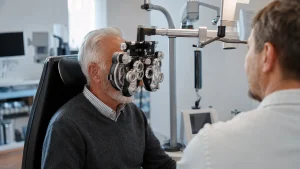
Eyesight remains one of the most important legal requirements for driving in the UK. Drivers over 70 must confirm that they can meet the DVLA’s minimum vision standards.
Poor eyesight can significantly increase accident risk, particularly during night driving or poor weather conditions.
Reading a Number Plate From 20 Metres
Drivers must be able to read a standard vehicle number plate from 20 metres away while wearing corrective lenses if needed.
Failure to meet this legal requirement may result in licence refusal or revocation.
Wearing Glasses or Contact Lenses While Driving
Many older drivers legally drive while wearing glasses or contact lenses. If corrective lenses are necessary to meet eyesight standards, they must always be worn while driving.
Regular eye tests are strongly recommended because vision can gradually change without drivers noticing immediately.
Which Medical Conditions Must Be Declared to the DVLA?
Drivers are legally required to inform the DVLA about medical conditions that could affect driving safety. Failing to declare relevant conditions may lead to fines or invalid insurance.
Common reportable conditions include:
- Epilepsy
- Diabetes requiring insulin
- Stroke history
- Dementia
- Parkinson’s disease
- Serious heart conditions
- Visual impairments
Critical Condition Updates for 2026:
- Diabetes: If you use insulin, you must declare it. As of 2026, the DVLA permits Continuous Glucose Monitoring (CGM) devices for driving, but you must still carry a finger-prick kit as a backup.
- Dementia: An Alzheimer’s or dementia diagnosis must be reported. This doesn’t always mean losing your licence; the DVLA may issue a 1-year “reviewable” licence to keep you on the road safely.
- Stroke: You must stop driving for at least one month following a stroke or TIA and report it if symptoms like limb weakness or vision issues persist.
Common Medical Conditions That Affect Driving
Some conditions may only require monitoring, while others may lead to temporary licence suspension or specialist assessments.
The DVLA reviews each case individually rather than applying automatic bans in most situations.
Medical Questionnaires and DVLA Assessments
Drivers with declared conditions may receive additional questionnaires or requests for medical reports from healthcare professionals.
These checks help determine whether the individual can continue driving safely.
Dr Michael Reeves, a consultant in occupational medicine, explains: “Many medical conditions do not automatically prevent someone from driving. The DVLA assesses whether the condition is controlled and whether the driver can operate a vehicle safely.”
Can Drivers Continue Driving While Waiting for Licence Renewal?
In many situations, yes. Drivers may continue driving while waiting for their renewed licence if:
Under Section 88 of the Road Traffic Act 1988, you may continue driving while your application is with the DVLA if you meet these conditions:
- Your doctor has not advised you against driving.
- You held a valid licence and only drove vehicles you were previously entitled to.
- Your application was received by the DVLA within the last 12 months.
- Your previous licence was not revoked or refused for medical reasons.
- You are not currently disqualified by a court or as a high-risk offender.
This rule helps drivers maintain independence while administrative processing takes place.
However, drivers must stop driving immediately if instructed by the DVLA or if a medical condition makes driving unsafe.
What Common Mistakes Should Drivers Avoid During Licence Renewal?

Several avoidable mistakes can delay licence renewal applications.
Common problems include:
| Common Mistake | Possible Consequence |
| Forgetting renewal deadlines | Expired licence |
| Incorrect personal information | Processing delays |
| Failing to declare medical conditions | Fines or revoked licence |
| Using unofficial websites | Unnecessary charges |
| Sending incomplete forms | Application rejection |
Drivers should carefully review all information before submission to avoid complications.
How Is the DVLA Improving Driving Licence Renewals for Seniors in 2026?
The DVLA continues improving accessibility and efficiency for older drivers in 2026. Online systems are becoming more user-friendly, while clearer guidance is helping reduce confusion around medical declarations and licence expiry rules.
Digital processing has also reduced waiting times for many standard applications. Improved communication systems now allow drivers to track certain applications more effectively than in previous years.
The government continues balancing road safety with maintaining independence for older adults across the UK.
Conclusion
Renewing a driving licence over 70 in the UK remains a straightforward process when drivers understand the rules and deadlines involved. The 2026 DVLA system allows most renewals to be completed quickly online or by post at no cost.
Drivers must ensure they meet eyesight standards, declare relevant medical conditions, and renew every three years to remain legally entitled to drive. Staying informed about DVLA requirements helps older motorists maintain both independence and road safety.
By renewing early and providing accurate information, drivers can avoid unnecessary delays and continue driving confidently throughout later life.
FAQs
Can someone renew a driving licence over 70 without a passport?
Yes, a passport is not always required for renewal. Drivers without a valid passport can still renew by providing alternative identification details or by submitting a suitable photograph if requested by the DVLA.
Is there a penalty for forgetting to renew a licence at 70?
Driving with an expired licence can result in legal consequences, including fines and insurance complications. Drivers should renew before the expiry date to avoid accidentally driving unlawfully.
Can an over-70 driver renew their licence at the Post Office?
Yes, drivers can obtain a D1 renewal form from many Post Office branches. The completed application can then be sent to the DVLA through the postal system.
Will the DVLA contact drivers before their licence expires?
The DVLA usually sends a reminder letter approximately 90 days before expiry. However, drivers remain responsible for renewing their licence even if the reminder is not received.
Do all medical conditions need to be reported to the DVLA?
Not every condition must be declared, but any medical issue that could affect safe driving should be reported. The GOV.UK website provides detailed guidance on reportable conditions.
Can someone drive abroad with a renewed over 70 licence?
In most cases, yes. A valid UK driving licence can usually still be used abroad, although some countries may have additional rules or permit requirements for visiting drivers.
What should drivers do if their renewal application is delayed?
Drivers should contact the DVLA if processing delays become excessive. In many situations, drivers may still legally continue driving while the application is under review, provided they meet the required conditions.