

MPs Pay Rise 2026/27 – 5% Official Increase Confirmed
The Independent Parliamentary Standards Authority (IPSA) has officially confirmed a 5% consolidated salary increase for Members of Parliament, effective from 1 April 2026.
Confirmed Increase
5% Rise
New Salary
£98,599 Per Year
Effective From
1 April 2026
Long-Term Target
~£110,000 by 2029
Key Updates:
- Total Increase: The 5% rise includes a 3.5% cost-of-living adjustment and a 1.5% benchmarking uplift.
- Independent Decision: IPSA, not MPs, is legally responsible for setting parliamentary salaries.
- Above Inflation: The increase exceeds the current inflation rate of around 3%.
- Future Outlook: IPSA has signalled a gradual move toward salaries of approximately £110,000 by the end of Parliament in 2029.
What Is the Current MP’s Pay in the UK?
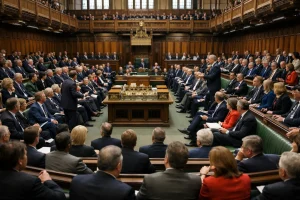
Before the 2026 increase takes effect, MPs earn a basic annual salary of £93,904 for carrying out their parliamentary duties. This covers their role as elected representatives, including debates in the House of Commons, committee work, and constituency casework.
It is important to clarify that this figure refers to the basic salary only. Some MPs receive additional earnings if they hold extra responsibilities such as:
- Government ministers
- Committee chairs
- The Speaker of the House of Commons
Those additional payments are administered separately and are not determined directly by IPSA’s annual salary decision.
To put the current salary into perspective, it is more than double the UK average full-time wage, which stands at approximately £39,000. This comparison often fuels debate whenever the topic of whether MPs are getting a pay rise emerges.
MP Basic Salary Overview
| Year | Basic Salary | Percentage Increase |
| 2025–26 | £93,904 | – |
| 2026–27 | £98,599 | 5% |
| Projected by 2029 | ~£110,000 | Incremental |
Are MPs Getting a Pay Rise in 2026–27?
Yes. MPs are getting a pay rise. From April 1, the basic salary of a Member of Parliament will increase by 5%, taking annual pay from £93,904 to £98,599.
The decision was announced by IPSA, which has the statutory responsibility for setting MPs’ pay. Importantly, MPs do not vote on or determine their own salaries.
IPSA chairman Richard Lloyd explained the reasoning behind the rise, stating:
“The role of an MP has evolved. They are dealing with higher levels of complex casework, and abuse and intimidation towards MPs and their staff has been growing.”
This 5% uplift means MPs will receive an additional £4,695 per year, pushing salaries close to the £100,000 threshold for the first time.
How Much Will MPs Earn After the 2026 Pay Increase?
After the approved increase takes effect, MPs will earn £98,599 annually in basic salary. While this remains below the £100,000 threshold, it represents a noticeable shift compared to previous years.
In practical terms:
- The increase is worth nearly £5,000 annually.
- It represents a 5% rise on the previous salary.
- It exceeds the current inflation rate of around 3%.
Because the rise is higher than inflation, critics have described it as an “inflation-busting” increase. Supporters, however, argue that the uplift reflects benchmarking adjustments and workload considerations rather than political favouritism.
Breakdown of the 2026 MP Pay Rise:
| Component | Percentage | Explanation |
| Cost-of-living increase | 3.5% | Reflects general economic pressures |
| Benchmarking adjustment | 1.5% | Aligns salary with comparable senior roles |
| Total increase | 5% | Combined uplift |
This structured formula demonstrates that the rise is based on a combination of economic indicators and comparative salary analysis, rather than a single discretionary decision.
What Makes Up the 5% MP Pay Rise for 2026–27?

The confirmed 5% increase in MPs’ basic salary for 2026–27 is not a single, flat adjustment. Instead, it is made up of two distinct components determined by the Independent Parliamentary Standards Authority (IPSA).
These elements are designed to reflect both current economic conditions and longer-term salary benchmarking against comparable roles.
By separating the increase into a cost-of-living element and a benchmarking adjustment, IPSA aims to demonstrate that the decision is structured and evidence-based rather than politically driven.
Cost-of-Living Adjustment (3.5%)
The largest portion of the increase is a 3.5% cost-of-living adjustment. This element accounts for economic conditions and rising prices affecting the wider workforce.
Although inflation has eased to around 3%, the 3.5% figure slightly exceeds it. IPSA argues that the adjustment reflects broader financial pressures and is consistent with maintaining the real value of salaries.
Benchmarking Adjustment (1.5%)
The additional 1.5% benchmarking adjustment is designed to bring MPs’ salaries closer to comparable senior public sector roles and parliamentarians in similar democracies.
IPSA has compared MPs’ pay with:
- Senior Civil Service managers (average £88,049)
- NHS consultants (starting salary £106,242)
- Parliamentarians in comparable democracies
Richard Lloyd noted:
“In reaching our decision for 2026–27 we have benchmarked MPs’ pay against other responsible, senior roles in civic society and similar worldwide democracies.”
This benchmarking is central to IPSA’s long-term strategy of moving salaries towards £110,000 by 2029.
Who Decides MPs’ Salaries and Why Don’t MPs Set Their Own Pay?
MPs do not determine their own salaries. Since the parliamentary expenses scandal of 2009, pay decisions have been transferred to the Independent Parliamentary Standards Authority (IPSA). This body operates independently from the government and Parliament.
IPSA’s responsibilities include:
- Setting MPs’ basic salaries
- Regulating expenses
- Reviewing staffing budgets
- Consulting the public
The aim of this structure is to maintain public trust and avoid conflicts of interest.
IPSA has also engaged in public consultation, including polling and a citizens’ forum. While polling suggested many members of the public believe MPs are overpaid, IPSA reported that forum participants often changed their views after learning more about the role’s demands.
Why Has IPSA Approved a Pay Rise Despite Public Concern?
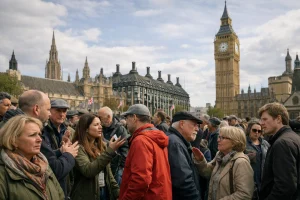
The approval comes despite significant public scepticism. IPSA argues that the role of an MP has become increasingly demanding. According to surveys referenced in official statements:
- 96% of MPs reported experiencing abuse.
- 69% of MPs’ staff reported similar treatment.
- One in three MPs considered not standing again due to abuse.
Richard Lloyd stated:
“MPs are dealing with higher levels of complex casework than ever before, driven by economic pressures and global and domestic events.”
IPSA also emphasised recruitment and retention concerns, suggesting that competitive pay is necessary to attract candidates from diverse professional backgrounds.
However, critics remain unconvinced.
John O’Connell, chief executive of the TaxPayers’ Alliance, commented:
“Taxpayers will be seething to see politicians receive an inflation-busting pay rise, all while they suffer a personal recession.”
This contrast between official reasoning and public frustration explains why the question “Are MPs getting a pay rise?” generates such strong reactions.
How Does the MP Pay Rise Compare with the NHS and Other Public Sector Workers?
To fully understand the reaction to the latest decision, it is important to compare the MPs’ pay rise with settlements awarded elsewhere in the public sector.
Differences in percentage increases have become a central point of debate, particularly as many frontline workers are receiving smaller uplifts during a period of continued economic pressure.
The comparison with other public sector pay awards has intensified the debate.
Comparison with NHS, Civil Service and Resident Doctors
Recent pay decisions show:
- NHS staff (excluding doctors and senior managers): 3.3%
- Resident doctors: proposed 2.5%
- Civil Service departments: up to 3.25%
- MPs: 5%
Public Sector Pay Comparison (2026–27)
| Role | Pay Increase |
| MPs | 5% |
| NHS Staff | 3.3% |
| Civil Service | Up to 3.25% |
| Resident Doctors | 2.5% (proposed) |
Inflation and Living Standards Context
With inflation currently around 3%, MPs’ 5% rise exceeds both price growth and most public sector settlements. This has led critics to argue that politicians are shielded from the financial constraints facing many public workers.
This disparity has led to criticism that MPs are insulated from broader economic challenges faced by voters.
Will MPs’ Salaries Reach £110,000 by 2029?

IPSA has signalled that it aims to move towards a salary of approximately £110,000 by the end of the current Parliament in 2029.
This does not mean a single large jump. Instead, incremental increases are expected over the next three years.
Crossing the £100,000 threshold would place MPs into a higher effective tax band known as the “£100k tax trap”, where personal allowances begin to taper and childcare benefits may be affected.
IPSA has stated it will continue to consider economic conditions before confirming future decisions.
Are Parliamentary Staff Receiving the Same Pay Increase as MPs?
One of the most contentious aspects of the decision concerns MPs’ staff. While MPs are receiving a 5% increase, staff are being offered an optional 3.5% uplift.
Staff unions have expressed frustration, arguing that workloads have increased significantly in recent years.
Lisa Gillmore, GMB MPs’ and Peers’ Staff Branch president, stated:
“If rising living costs justify a 5 per cent increase for MPs, IPSA must explain why this does not extend to staff.”
Staff has also pointed out:
- Casework pressures have intensified.
- Abuse often reaches staff first.
- Pay has lagged behind comparable civil service roles.
Although IPSA increases staffing budgets by 5%, individual MPs retain authority over staff pay decisions.
Do MPs Receive Additional Payments or Expenses Beyond Their Salary?
In addition to their basic salary, MPs are entitled to claim expenses necessary for performing their duties. These allowances are tightly regulated and audited by IPSA.
They typically cover:
- Office running costs
- Travel between Westminster and the constituency
- Accommodation in London, where required
- Staffing budgets
Ministers and certain office holders receive additional payments linked to their specific roles, administered separately from the basic MP salary.
These financial provisions are intended to ensure that MPs can carry out their responsibilities effectively, rather than serving as supplementary personal income.
What Are the Main Arguments for and Against MPs Getting a Pay Rise?
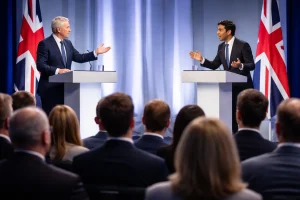
The debate over whether MPs are getting a pay rise centres on fairness, responsibility, and public perception.
Supporters argue that the role of an MP has grown increasingly demanding, with heavier constituency casework, greater scrutiny, and rising security concerns.
They believe competitive pay is necessary to attract skilled individuals from diverse professional backgrounds and to reflect the level of responsibility involved. They also point to benchmarking against senior public sector and international roles.
Opponents, however, highlight key concerns:
- The rise exceeds inflation and most public sector settlements.
- NHS and Civil Service workers are receiving smaller increases.
- Public trust in politics remains fragile.
Ultimately, the issue reflects wider tensions around living standards, accountability, and economic priorities in the UK.
Conclusion
Yes, MPs are getting a pay rise in 2026–27. Their basic salary will rise by 5% to £98,599 from April, with IPSA signalling a long-term trajectory towards £110,000 by 2029.
The decision reflects benchmarking, cost-of-living adjustments, and arguments about workload and safety. However, the increase has intensified debate about fairness, public sector comparisons, and trust in political institutions.
As economic pressures continue and further annual reviews approach, the question of whether MPs are getting a pay rise is likely to remain a politically sensitive issue across the UK.
Frequently Asked Questions About MPs’ Pay
How often is MPs’ pay reviewed in the UK?
MPs’ pay is reviewed annually by IPSA, which considers economic conditions, benchmarking data and consultation feedback before confirming each year’s decision.
Are MPs’ pensions affected by salary increases?
Yes, pension contributions are linked to salary levels, so an increase in basic pay will affect future pension calculations.
Do MPs pay income tax on their full salary?
Yes, MPs pay income tax and National Insurance in the same way as other UK employees.
Has MPs’ pay ever been frozen?
There have been periods when pay increases were limited or effectively frozen, particularly during times of wider public sector pay restraint.
How does MP pay compare to the UK average wage?
The current basic salary of £93,904 is more than double the UK average full-time wage of around £39,000.
Can an MP refuse their pay rise?
An MP could choose not to take the full amount, but the salary structure itself is set nationally and applies uniformly.
What happens to MPs’ pay if Parliament ends early?
Pay structures remain in place until revised by IPSA. However, MPs who lose their seats are no longer entitled to the salary.