
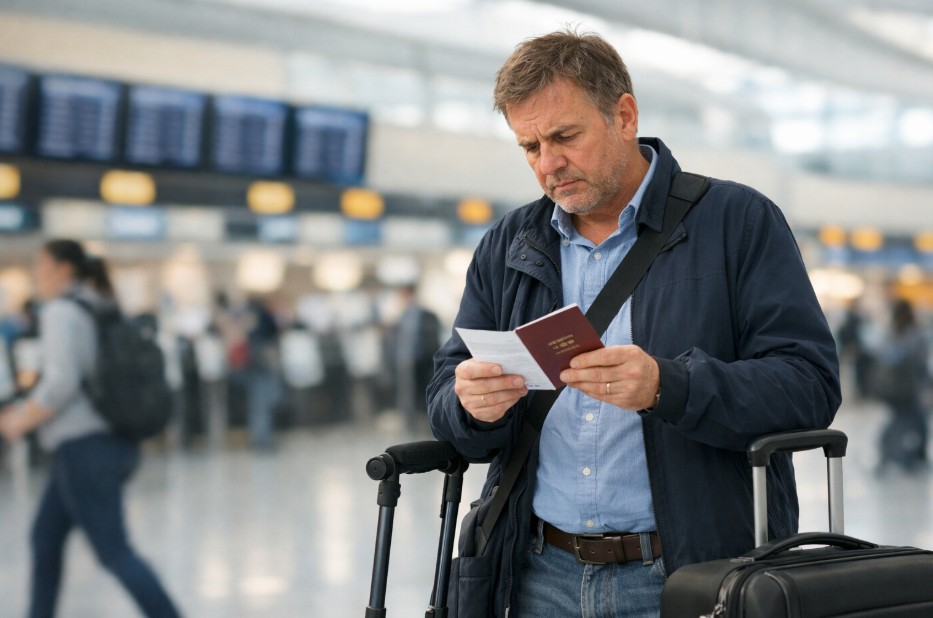
✈️DWP PIP CLAIMANTS HOLIDAY RULES – KEY TRAVEL GUIDANCE
Temporary Travel Limit: PIP claimants can usually travel abroad for up to 13 weeks without losing payments. In some medical treatment cases, this may extend to 26 weeks if approved by the Department for Work and Pensions (DWP).
If you plan to be outside the UK for more than 4 weeks, you must notify the DWP in advance and provide details about your travel plans.
📌 Why Do PIP Travel Rules Matter?
- Reporting Requirement: DWP must be informed if you leave the UK for more than 4 weeks
- Time Limit: Maximum 13 weeks abroad for non-medical travel
- Medical Exception: Up to 26 weeks if travelling for approved treatment
- Residency Rule: Claimants must remain habitually resident in the UK
Why It Matters: Understanding the DWP PIP claimants holiday rules helps prevent payment suspensions, overpayment investigations, or loss of entitlement while travelling abroad.
Travel Rules Snapshot:
- Travel Limit: Up to 13 weeks abroad
- Medical Travel Limit: Up to 26 weeks
- Reporting Threshold: Notify DWP if abroad for more than 4 weeks
- Benefit: Personal Independence Payment (PIP)
- Department: Department for Work and Pensions (DWP)
- Status: Active UK benefit travel guidance
“Claimants should report travel plans early to ensure their PIP payments continue without interruption.”
What Are the DWP PIP Claimants Holiday Rules for Travelling Abroad From the UK?

The DWP PIP claimants holiday rules ensure that people receiving disability benefits continue to meet eligibility requirements while mainly living in the UK. Personal Independence Payment supports individuals with long-term health conditions that affect daily living or mobility.
Unlike many benefits, PIP is not means-tested, meaning income and savings do not affect payments. However, claimants must usually live in the UK and meet residency rules.
If someone travels abroad for too long or fails to inform the Department for Work and Pensions about their absence, their payments could be stopped.
A spokesperson for the Department for Work and Pensions explains:
“PIP claimants can travel abroad temporarily, but they must report any changes in their circumstances that could affect their entitlement.”
For most claimants, short holidays abroad will not cause problems. The key issue is how long you plan to stay outside the UK and whether the DWP has been informed about your trip in advance.
Can You Go on Holiday While Claiming Personal Independence Payment (PIP)?
Yes, people receiving PIP are allowed to go on holiday abroad. Many claimants travel each year for short breaks, family visits, or special occasions. The benefit is designed to support people with disabilities, and the rules do not prevent them from taking time away from home.
However, the DWP expects claimants to remain habitually resident in the UK, meaning the UK must still be their main home. Temporary travel is acceptable as long as the trip does not exceed the permitted time limits.
This is where many people misunderstand the rules. Some claimants assume that because PIP is not means-tested, it will continue regardless of travel plans. In reality, the DWP monitors changes in circumstances carefully.
An official guidance note highlights the importance of reporting travel:
“Claimants should tell the DWP about any changes that might affect their benefit. This includes leaving the country for an extended period.”
As long as you follow the correct procedures and remain within the allowed travel period, you can usually enjoy a holiday abroad without affecting your PIP payments.
How Long Can You Leave the UK While Receiving PIP Payments?

One of the most common questions claimants ask is how long they can stay abroad while still receiving their benefit. The DWP provides clear guidance on this issue.
In most cases, you can leave the UK for up to 13 weeks while continuing to receive Personal Independence Payment. This is considered a temporary absence and generally applies to holidays, visiting relatives, or other non-medical travel.
If your trip is specifically for medical treatment, the permitted absence can be extended to 26 weeks.
The following table summarises the key travel limits for PIP claimants:
| Travel Situation | Maximum Time Abroad | Impact on PIP |
| Short holiday or visiting family | Up to 13 weeks | Payments usually continue |
| Medical treatment abroad | Up to 26 weeks | Payments may continue if approved |
| Staying abroad longer than allowed | Over 13 weeks | Payments may stop |
These limits apply to temporary travel only. If you move abroad permanently, your entitlement to PIP may end unless specific export rules apply in certain European countries.
When Do You Need to Inform the DWP Before Travelling Abroad on PIP?
If you receive Personal Independence Payment (PIP) and are planning a trip abroad, it is important to understand when you must notify the Department for Work and Pensions (DWP) about your travel plans.
DWP Notification Requirements for Trips Longer Than Four Weeks
One of the most important DWP PIP claimants holiday rules is the requirement to notify the department about longer trips abroad.
If you plan to leave the UK for more than four weeks, you must inform the DWP before travelling. This helps the department determine whether your absence could affect your entitlement.
Failing to report your trip could lead to complications. The DWP may review your claim, suspend payments, or investigate whether you received benefits incorrectly.
Details the DWP May Request About Your Travel Plans
When notifying the DWP about your travel plans, you may be asked to provide several details, including:
- The date you plan to leave the UK
- How long you expect to stay abroad
- Which country you will be travelling to
- The reason for your trip
Providing accurate information is essential. According to official guidance:
“You could be taken to court or have to pay a penalty if you give wrong information or do not report a change in your circumstances.”
The easiest way to report a change is to contact the PIP enquiry line and provide the requested details before you travel.
Why Could Your PIP Payments Stop if You Stay Abroad Too Long?
While temporary travel is permitted, exceeding the allowed absence period can lead to your PIP payments being stopped.
There are several reasons why this might happen. First, the DWP may determine that you no longer meet the residency requirements if you remain outside the UK for too long. Secondly, failing to report your travel could result in an overpayment investigation.
Common situations that may cause problems include:
- Staying abroad longer than 13 weeks
- Extending your holiday without informing the DWP
- Repeated long trips overseas
- Providing incorrect travel information
The consequences can be serious. Payments may be suspended, and you may need to reapply or provide additional evidence to restore your benefit.
The following table explains how different situations may affect PIP payments:
| Situation | Possible Outcome |
| Absence reported and within allowed time | Payments continue |
| Absence longer than permitted | Payments may stop |
| Travel not reported | Possible suspension or review |
| Overpayment identified | Money may need to be repaid |
Because of these risks, it is always better to inform the DWP about your travel plans in advance rather than waiting until after you return.
How Does the Habitual Residence Rule Affect PIP Claimants Travelling Abroad?

Another key factor affecting PIP eligibility is the habitual residence rule. This rule ensures that claimants have a genuine connection to the UK and treat it as their primary home.
In simple terms, being habitually resident means that the UK is where you normally live and where your main social and economic ties exist. This might include having a permanent address, family connections, or ongoing healthcare arrangements in the UK.
Short holidays abroad usually do not affect this status. However, spending long periods overseas could raise questions about whether the UK remains your main place of residence.
For example, the DWP may investigate if a claimant:
- Regularly spends several months abroad each year
- Owns property overseas and stays there for long periods
- Moves abroad temporarily but maintains a UK benefit claim
The following table shows how the habitual residence rule may apply:
| Scenario | Possible Impact on PIP |
| Short holiday abroad | Usually no impact |
| Extended stay beyond 13 weeks | May affect eligibility |
| Moving abroad permanently | Benefit likely to stop |
Understanding this rule helps claimants avoid unintentionally losing their benefits while travelling.
What Exceptions Allow PIP Claimants to Stay Abroad for Up to 26 Weeks?
There is one important exception to the standard 13-week travel limit. If you leave the UK for medical treatment, you may be able to remain abroad for up to 26 weeks while still receiving PIP.
This exception applies when treatment is necessary and cannot easily be provided in the UK. The DWP may require documentation confirming the medical purpose of your trip.
For example, claimants travelling abroad for specialist surgery, rehabilitation programmes, or long-term therapy may qualify for this extended period.
However, the extension is not automatic. Claimants should inform the DWP before travelling and provide evidence such as medical letters or appointment confirmations.
As a benefits adviser explains:
“Medical travel can extend the time a claimant may stay abroad, but the DWP will normally require evidence before approving the longer absence.”
Providing proper documentation helps ensure your benefit continues without interruption.
What Should You Do Before Travelling Abroad While Claiming PIP?
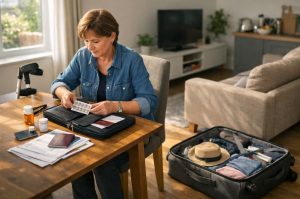
Before planning an overseas trip, PIP claimants should take a few important steps to ensure their benefits remain unaffected and fully compliant with DWP travel rules
Preparing documents and notifying the DWP
Planning ahead is the best way to avoid problems with your benefits while travelling. Before leaving the UK, it is important to check whether your trip falls within the permitted absence period and whether you need to notify the DWP.
Contacting the department early allows you to clarify your eligibility and ensure your travel plans will not affect your claim.
Keeping Records of Your Travel and Medical Information
Keeping proper records can also protect you if questions arise about your travel history. If your claim is reviewed later, these documents can provide evidence of when you left the UK and when you returned.
Before travelling, consider preparing the following information:
- Copies of your travel tickets and booking confirmations
- Details of your accommodation abroad
- Medical letters if travelling for treatment
- Contact information in case the DWP needs to reach you
These records may seem unnecessary at the time, but they can be extremely helpful if your benefit is later reviewed.
How Could Travelling Abroad Affect Other Benefits Such as Universal Credit?
Some claimants receive Universal Credit alongside Personal Independence Payment. In these cases, it is important to remember that each benefit has its own rules regarding travel abroad.
Universal Credit typically allows claimants to travel abroad for up to one month, but they must continue meeting the conditions of their claim. This may include attending work-related appointments or job-seeking activities.
If you plan to travel while receiving both benefits, you should check the rules carefully and inform the relevant authorities.
A policy statement from the DWP explains:
“Changes in circumstances can affect how much you are paid. Claimants should report changes as soon as they occur to ensure they receive the correct amount.”
Because the rules differ between benefits, failing to report travel could affect one benefit even if the other continues.
What Steps Should You Take if Your Pip Payments Are Stopped After Travelling?

If your PIP payments are stopped after travelling abroad, it is important to act quickly to understand the reason and resolve the issue.
In many cases, payments are paused because the DWP needs clarification about how long you were outside the UK or whether your travel was reported correctly. Contacting the DWP as soon as possible can help prevent long delays.
Start by gathering documents that prove your travel dates and circumstances. These may help support your case during a review.
You should take the following steps:
- Contact the PIP enquiry line and ask why your payments were stopped
- Provide evidence such as flight tickets, boarding passes, or accommodation records
- Submit medical documents if your travel was for treatment
- Request a mandatory reconsideration if you believe the decision was incorrect
Responding promptly improves the chances of restoring your payments faster.
Real-life example:
A claimant from Manchester, David, travelled to Spain to visit relatives. He initially planned to stay for eight weeks, but a family emergency extended his trip to nearly four months.
When he returned to the UK, he discovered that his PIP payments had been stopped because his absence exceeded the usual limit. The DWP asked him to provide evidence of his travel dates and explain the reason for the longer stay.
After submitting flight records and supporting details, his case was reviewed and his payments were eventually reinstated. This situation shows why informing the DWP before extending a trip abroad is so important.
Conclusion
Taking a holiday can still be possible for people receiving disability benefits, but it is important to understand the DWP PIP claimants holiday rules before travelling.
In most cases, claimants can leave the UK for up to 13 weeks, or 26 weeks for medical treatment, without losing their payments. You should inform the DWP if your trip lasts more than four weeks and ensure the UK remains your main residence.
By planning ahead and reporting any changes, you can help ensure your PIP payments continue without issues.
FAQs About DWP PIP Claimants Holiday Rules
Do I need to tell the DWP if I travel abroad for a short holiday?
Short trips usually do not require notification, but if your travel could exceed four weeks you should inform the DWP in advance.
Can I take multiple holidays abroad while receiving PIP?
Yes, multiple trips are allowed, but repeated long absences may raise questions about your habitual residence in the UK.
Does travelling with a carer affect PIP payments?
Travelling with a carer does not usually affect your entitlement, as PIP is based on your personal care and mobility needs.
Will the DWP check my passport or travel history?
In some situations, the DWP may request evidence of travel dates if they review your claim or suspect that the allowed absence period was exceeded.
What happens if my return flight is delayed?
Unexpected delays may occur. If your absence is extended, you should contact the DWP as soon as possible to explain the situation.
Can I claim PIP if I move permanently to another country?
Most claimants cannot continue receiving PIP after moving abroad permanently, although limited rules apply in certain EEA countries.
Does travelling within the UK affect my PIP claim?
No. Travelling within the UK does not affect PIP payments because the residency requirement still applies.