
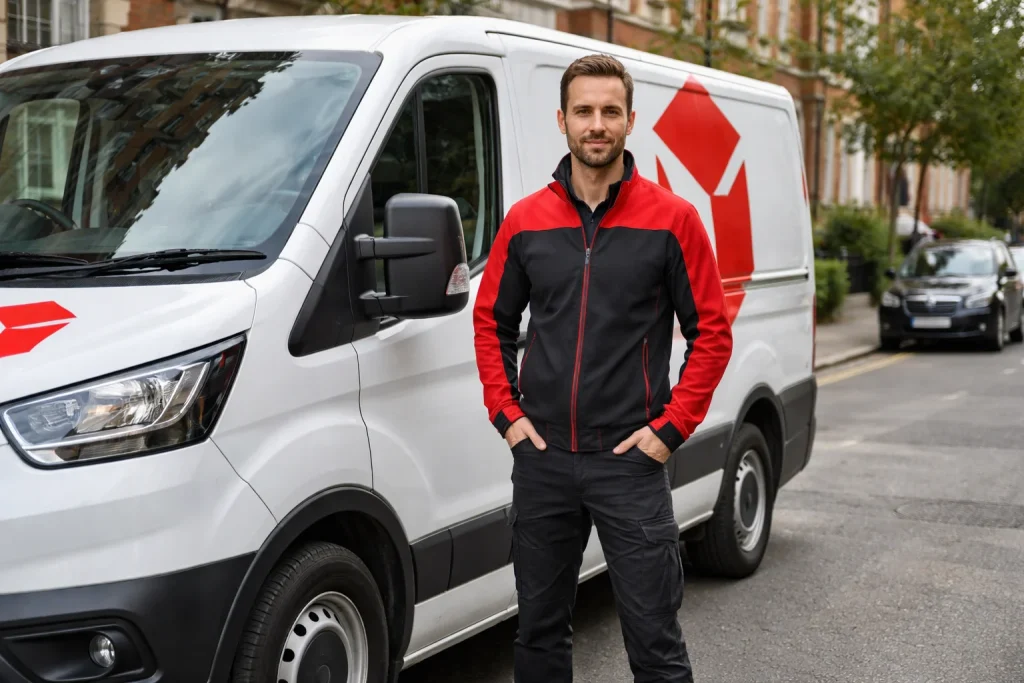
🔴 DPD DRIVER PAY INSIGHT – 2026 UPDATE
Last Updated: February 2026
Owner Drivers Still Advertised at £50K–£60K in 2026: However, actual take-home varies due to rising fuel, leasing, and tax costs.
Real-world earnings depend heavily on route allocation, expenses, and working hours. Most self-employed drivers report net incomes between £31,000–£42,000 after deductions.
⏱️ Quick Overview: While £60K remains achievable for top earners, the average driver must manage costs carefully to reach sustainable earnings.
⚠️ Applicants are urged to assess self-employment risks and plan for expenses before signing a contract.
Key Facts:
- Top Gross Earning Claim: £60,000 per year
- Typical Net Income: £31,000–£42,000 after expenses
- Vehicle & Fuel: Not provided (unless employed), must lease or own
- Payment Structure: Route-based, no paid breaks, per-drop earnings
Becoming a DPD driver can be lucrative with the right planning—but without cost control, the headline figures can be misleading. Treat it like a business.
This breakdown helps you understand whether the DPD driver model fits your financial goals in 2026, especially as fuel prices, insurance, and workload expectations continue to rise.
What Are the Different DPD Driver Roles in the UK?
DPD offers several driver pathways designed to suit different working styles, from structured employment to independent contracting. Each type varies in responsibility, flexibility, and level of operational control.
Main DPD Driver Types:
- Employed Drivers: Work directly for DPD as part of the company workforce. They follow set schedules, use company systems, and receive full organisational support.
- Owner Drivers (Self-Employed): Run their own delivery operation under contract with DPD. They manage routes, vehicle arrangements, and daily logistics independently.
- Owner Driver Workers: A blended model combining elements of employment and self-employment. Drivers operate with some independence while still receiving limited company support.
- DPD Connect Drivers: Focus on local deliveries using their own vehicles. This role suits those wanting flexible hours and smaller-scale delivery responsibilities.
These options allow individuals to choose a role that fits their lifestyle, independence level, and preferred work structure within the DPD network.
How Much Can You Earn as a DPD Driver in 2026?
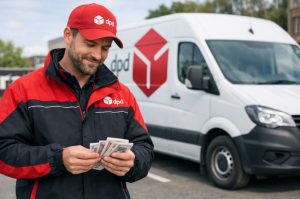
Let’s break down the current earning potential based on public data, verified job listings, and honest feedback from drivers in 2026. DPD offers several driver roles, each with different pay structures and expectations.
| Driver Type | Pay Structure | Estimated Annual Income | Notes |
| Employed Driver | Annual Salary | £24,000+ | Vehicle provided, holiday and sick pay, pension contributions |
| Owner Driver | Route-Based Revenue | £50,000 – £60,000 (gross) | Self-employed, manage own expenses and tax |
| Owner Driver Worker | Guaranteed Minimum + Flex | From £27,000 | Self-employed but includes sick pay and holidays |
| DPD Connect Driver | Hourly Rate | £10.83 – £18/hour | Use your own car, flexible, paid weekly |
It’s essential to understand that these figures represent gross earnings, not take-home pay. Many new applicants misunderstand this difference.
Expenses like vehicle leasing, insurance, and tax are not included in those figures and must be subtracted from gross income.
“Yes, I was making £58K, but after fuel, lease, and tax, I took home about £35K. Not bad, but not the dream they sell you.”
— Real DPD Driver via Reddit
For someone looking for higher flexibility and entrepreneurial control, the Owner Driver or Owner Driver Worker path could be attractive. But if stability, benefits, and predictable hours matter more to you, an Employed Driver position is worth considering.
Can You Really Earn £60K Driving for DPD?
The highly promoted £60K salary figure isn’t a myth, it’s an achievable upper limit for top-performing Owner Drivers.
However, it’s crucial to note that it represents gross revenue, not net profit. It also assumes you’re managing a high-volume, high-efficiency delivery route, often over five to six days a week.
What Reddit Job Listing Shows?
A job ad seen on Reddit and Indeed outlines the following:
- Job Type: Full-time
- Pay: £50,000 – £60,000/year
- Schedule: Monday to Friday
- Requirements: UK driving licence (held for at least 12 months), no more than 6 points, DBS check
While these listings sound appealing, real-world conversations tell a broader story.
“They promise £60K, but don’t tell you about the 200+ stops a day. It’s physically exhausting.”
This kind of feedback is frequent across forums like Reddit and Facebook, where drivers share unfiltered insights into what it really takes to earn that kind of money.
Earning Factors to Consider
- Route allocation and area
- Number of daily stops
- Time off and holidays
- Fuel prices and operational efficiency
- Breakdowns or missed deliveries
- Business expense tracking and tax planning
For some, £60K is achievable, but it’s often a best-case scenario, not the norm.
What Expenses Reduce a DPD Driver’s Take-Home Pay?
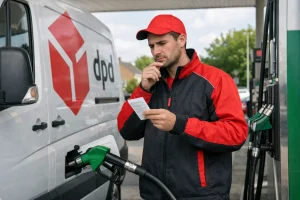
One of the biggest misconceptions among new drivers is that gross revenue equals salary. As a self-employed DPD Owner Driver, you’re effectively running a small logistics business, and with that comes business overhead.
Estimated Monthly Expenses for a DPD Owner Driver:
| Expense Type | Estimated Monthly Cost (£) |
| Van Lease or Finance | 400 – 600 |
| Fuel | 500 – 800 |
| Insurance (Van + Liability) | 150 – 250 |
| Maintenance & Tyres | 100 – 150 |
| Tax & National Insurance | 300 – 500 |
| Phone, Uniform, Miscellaneous | 50 – 100 |
| Total Estimated Monthly | £1,500 – £2,400 |
Over a year, these expenses can amount to between £18,000 and £28,800. That’s a significant chunk of the £50K–£60K revenue many drivers aim for.
“People forget you’re running a mini business. You’ve got to think like a business owner, not an employee.”
— Former DPD Driver, Manchester
Ultimately, your net income after expenses could realistically fall between £31,200 and £42,000, depending on how efficiently you operate.
What’s the Difference Between Employed and Self-Employed DPD Drivers?
Choosing between being an Employed Driver and an Owner Driver involves balancing stability against earning potential. Here’s how the two compare:
Pros and Cons:
| Feature | Employed Driver | Owner Driver |
| Income Stability | Fixed salary | Varies with performance |
| Flexibility | Fixed routes/schedule | Choose hours (to some extent) |
| Vehicle Responsibility | DPD provides van | Own or lease your vehicle |
| Benefits (Holiday, Sick Pay) | Included | Not included unless on hybrid plan |
| Tax Responsibilities | PAYE handled by DPD | Must self-assess and manage taxes |
| Career Progression | Internal promotions possible | Limited unless expanding own route |
If you’re new to logistics, the Employed route might be less risky. But if you’re entrepreneurial and prepared to manage a business, the Owner Driver model offers higher potential, with higher responsibility.
Is DPD Connect Worth It in 2026?

DPD Connect is designed as a flexible, low-commitment delivery option for people who want extra income without managing a full delivery route or van operation. Drivers collect parcels from a nearby DPD hub and deliver within their local area, making the role simple and community-focused.
The position offers hourly earnings of up to £18 and allows drivers to choose their own working schedule, with payments issued weekly. Participants use their own cars, which keeps entry requirements straightforward and accessible.
While the role does not include traditional employment benefits or long-term progression pathways, many find that flexibility outweighs those limitations. It is particularly suitable for students, part-time workers, parents, or retirees seeking a practical and manageable side income opportunity.
What Is the Daily Life of a DPD Driver Like?
While many are attracted to the earnings, few anticipate the physical demands and long days associated with DPD delivery jobs.
Most drivers start early, typically around 6:30 AM, spending 1–2 hours loading parcels before hitting the road. It’s not uncommon to have over 150–200 stops per day, especially during peak times like Christmas.
“You don’t get paid breaks. You eat while driving or loading. The day doesn’t end till the last parcel’s gone.”
— Current DPD Driver on Reddit
A Typical Day:
- 6:30 AM: Arrive at local depot, scan parcels, organise route
- 8:00 AM – 6:00 PM: Begin deliveries, with stops across the area
- 6:00 PM – 7:00 PM: Return van, update system, manage paperwork
Despite the heavy workload, many drivers appreciate the solitude, structure, and the satisfaction of an active, non-desk-based job. Some even describe the experience as “addictive”, especially when routes run smoothly.
What Are the Long-Term Prospects and Downsides?
While DPD driving roles offer consistent work and decent pay, they’re not always sustainable for everyone.
Physically, the job can take a toll, especially as you age or if you don’t pace yourself. There’s also a risk of burnout due to high daily demands and minimal downtime.
Yet, there are drivers who’ve carved out long-term success.
Real Example: Tom from Birmingham
“I started as a regular driver in 2023. After a year, I switched to Owner Driver and eventually built a small team. Today, I run two routes and am looking to expand further. The first six months were rough, but now I can honestly say it was worth the grind.”
However, Tom’s story is the exception, not the rule. Many drivers leave the role within their first year due to unrealistic expectations, financial strain, or a lack of support structure. For some, the job becomes too demanding to maintain over the long term without a solid plan in place.
In short, DPD driving offers a viable career path, but longevity depends on your ability to manage both the physical and business demands of the role.
What You Should Know Before Applying to DPD in 2026?
If you’re seriously considering applying to become a DPD driver, it’s important to prepare not only for the job itself but also for the onboarding and qualification process.
Understanding what’s expected of you will give you a head start and help you evaluate if the role aligns with your goals.
Requirements
To be eligible, you must meet DPD’s basic driver criteria:
- A valid UK driving licence, held for at least 12 months
- No more than 6 penalty points on your licence
- Ability to pass a DBS (criminal background) check
- Legal right to work in the UK
- Ownership of a smartphone compatible with DPD’s delivery and tracking app
Having a clean driving record and strong customer service skills will also increase your chances of success.
Training Provided
DPD offers comprehensive training, making it accessible even for individuals with no previous courier experience. The training covers:
- Route planning tools to help you deliver efficiently
- Delivery best practices, such as parcel handling and safety protocols
- Familiarisation with DPD’s technology, including the driver app and scanner tools
- Customer service guidance to ensure a positive delivery experience
You’ll also receive support during your initial weeks on the job, with access to depot managers and online resources.
Application Process
Applying is relatively straightforward and begins online:
- Visit drivers.dpd.co.uk and submit your email to express interest
- You’ll receive a secure application link to upload required documents, such as:
- DVLA share code
- National Insurance number
- Proof of address and right to work
- Attend an onboarding session at your nearest depot, where you’ll:
- Meet with depot managers
- Review expectations
- Sign your digital contract
- Begin initial hands-on training
The process is designed to be efficient and accessible, often completed within a few days if all documents are in order.
“They moved quickly once I applied. From sign-up to first route, it took just over a week.”
— New DPD Driver in Leeds
DPD puts strong emphasis on finding drivers with a “van-do” attitude, those who are self-motivated, positive, and adaptable to the fast-paced nature of last-mile delivery. If that sounds like you, you could be well-suited for the role.
Conclusion: Is Driving for DPD in 2026 Right for You?
So, how much do DPD drivers earn in 2026? If you’re an Employed Driver, expect a stable but modest salary around £24,000. As a Connect Driver, you might earn £13–£18 per hour.
But if you become an Owner Driver and manage your costs wisely, earnings between £35K and £45K (after expenses) are realistic, with £60K possible for high performers.
This isn’t a get-rich-quick scheme. It’s a job for those who are efficient, self-motivated, and ready to work hard.
Ask yourself:
- Do you want independence and control over your workday?
- Can you manage your own business expenses and taxes?
- Are you physically prepared for demanding days?
If yes, DPD might just deliver more than parcels, it could deliver your next career step.
FAQs About DPD Driver Pay in 2026
What’s the difference between DPD Connect and regular delivery drivers?
DPD Connect drivers use their own vehicle and work locally, earning hourly pay up to £18. Regular drivers handle more parcels and larger routes, often in a van provided by DPD (if employed) or their own (if self-employed).
Do DPD drivers get paid for breaks?
In most cases, no. Breaks are unpaid, and many drivers take them between deliveries or skip them altogether on busy days.
Is £60K a guaranteed salary for Owner Drivers?
No, it’s the upper limit of gross revenue potential. After deducting expenses, most drivers take home between £35K–£45K annually.
Do DPD provide the delivery van?
Employed drivers get a van from DPD. Self-employed drivers must lease or own their own, though DPD offers leasing options.
Can you work part-time as a DPD driver?
Yes, DPD Connect offers flexible, part-time roles suitable for those seeking secondary income.
How does DPD’s pay compare to other courier companies in the UK?
DPD pay is competitive, often higher than Amazon Flex or Evri, especially for Owner Drivers. However, the workload can also be more intense.
What qualifications do I need to become a DPD driver?
You need a valid UK licence (held for at least 12 months), be over 18, pass a DBS check, and have a suitable smartphone.
{
“@context”: “https://schema.org”,
“@graph”: [
{
“@type”: “FAQPage”,
“mainEntity”: [
{
“@type”: “Question”,
“name”: “What’s the difference between DPD Connect and regular delivery drivers?”,
“acceptedAnswer”: {
“@type”: “Answer”,
“text”: “DPD Connect drivers use their own vehicle and work locally, earning hourly pay up to £18. Regular drivers handle more parcels and larger routes, often in a van provided by DPD (if employed) or their own (if self-employed).”
}
},
{
“@type”: “Question”,
“name”: “Do DPD drivers get paid for breaks?”,
“acceptedAnswer”: {
“@type”: “Answer”,
“text”: “In most cases, no. Breaks are unpaid, and many drivers take them between deliveries or skip them altogether on busy days.”
}
},
{
“@type”: “Question”,
“name”: “Is £60K a guaranteed salary for Owner Drivers?”,
“acceptedAnswer”: {
“@type”: “Answer”,
“text”: “No, it’s the upper limit of gross revenue potential. After deducting expenses, most drivers take home between £35K–£45K annually.”
}
},
{
“@type”: “Question”,
“name”: “Do DPD provide the delivery van?”,
“acceptedAnswer”: {
“@type”: “Answer”,
“text”: “Employed drivers get a van from DPD. Self-employed drivers must lease or own their own, though DPD offers leasing options.”
}
},
{
“@type”: “Question”,
“name”: “Can you work part-time as a DPD driver?”,
“acceptedAnswer”: {
“@type”: “Answer”,
“text”: “Yes, DPD Connect offers flexible, part-time roles suitable for those seeking secondary income.”
}
},
{
“@type”: “Question”,
“name”: “How does DPD’s pay compare to other courier companies in the UK?”,
“acceptedAnswer”: {
“@type”: “Answer”,
“text”: “DPD pay is competitive, often higher than Amazon Flex or Evri, especially for Owner Drivers. However, the workload can also be more intense.”
}
},
{
“@type”: “Question”,
“name”: “What qualifications do I need to become a DPD driver?”,
“acceptedAnswer”: {
“@type”: “Answer”,
“text”: “You need a valid UK licence held for at least 12 months, be over 18, pass a DBS check, and have a suitable smartphone.”
}
}
]
},
{
“@type”: “BlogPosting”,
“mainEntityOfPage”: {
“@type”: “WebPage”,
“@id”: “https://www.prestonblog.co.uk/how-much-do-dpd-drivers-earn/”
},
“author”: {
“@type”: “Person”,
“name”: “Jasmine ”
},
“publisher”: {
“@type”: “Organization”,
“name”: “Preston Blog “,
“logo”: {
“@type”: “ImageObject”,
“url”: “https://www.prestonblog.co.uk/wp-content/uploads/2025/12/Preston-Blog-Logo.png”
}
},
“headline”: “How Much Do DPD Drivers Earn in 2026? Salary Breakdown”,
“image”: “https://www.prestonblog.co.uk/wp-content/uploads/2026/02/How-Much-Do-DPD-Drivers-Earn-in-2026.webp”,
“datePublished”: “2026-02-12”,
“dateModified”: “2026-02-12”
}
]
}