

SUPERMARKET PAY RISE 2026 – UK PAY SNAPSHOT
Updated for March–April 2026 changes
The 2026 supermarket pay rise race is being driven by the new legal wage floor and fierce competition for staff—especially in high-cost areas.
⬆️ National Living Wage (from April 2026)
🏷️ Real Living Wage (current benchmark)
Confirmed 2026 Pay Rates (entry-level)
| Supermarket | National | London / inside M25 | Effective |
|---|---|---|---|
| Aldi | £13.50 | £14.88 | 1 April 2026 |
| Lidl | £13.45 | £14.80 | 1 March 2026 |
| Sainsbury’s | £13.23 | £14.54 | March 2026 |
| Waitrose | £13.25 | £14.80 | 1 April 2026 |
Aldi: Paid breaks (est. ~£1,500/yr value)
Lidl: Paternity leave doubled (4 weeks full pay)
Sainsbury’s: Free food + discount savings claim
Waitrose/JLP: £108m pay investment
“We know colleagues are the engine of great service, and pay has to reflect that—especially as wage floors rise and competition for staff intensifies.”
What Is a Supermarket Pay Rise and Why Does It Matter?
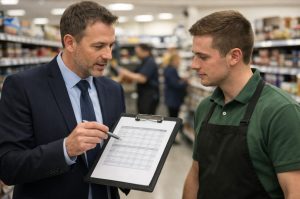
A supermarket pay rise refers to an increase in hourly wages or salary rates offered to retail staff working in grocery chains across the UK.
These rises typically apply to store assistants, customer assistants and other hourly-paid colleagues, although they may also influence supervisory and salaried roles.
In 2026, the importance of the supermarket pay rise is amplified by three major factors:
- The National Living Wage increase to £12.71 per hour from April 2026
- Continued cost-of-living pressures affecting energy, food and housing
- Intense competition between supermarkets to attract and retain staff
Supermarkets are among the UK’s largest private employers. Chains such as Aldi, Lidl, Tesco and Sainsbury’s collectively employ hundreds of thousands of workers. Even a modest hourly uplift can translate into significant annual earnings increases for full-time staff.
For many employees, these rises mean more than just higher pay packets. They signal how companies value frontline workers who keep shelves stocked, tills running and customers served.
As Aldi UK and Ireland CEO Giles Hurley put it:
“Our colleagues work incredibly hard to deliver exceptional value for our customers, and we’re rewarding that dedication with the highest pay in the sector.”
That statement reflects a broader shift in the industry: pay is now a competitive strategy, not just a compliance requirement.
Which UK Supermarkets Have Confirmed a Pay Rise for 2026?
Several major UK retailers have confirmed a supermarket pay rise for 2026, with most wage increases scheduled for March or April.
The changes reflect ongoing competition for staff, rising living costs, and pressure to retain workers across the grocery sector.
Aldi, Lidl, Sainsbury’s, and Waitrose have all announced updated hourly pay rates. Many of these increases include higher London weighting and additional rises based on length of service, meaning experienced staff could earn more over time. Collectively, the sector is investing hundreds of millions of pounds into wages.
Confirmed Supermarket Pay Rise 2026
| Supermarket | Effective Date | National Hourly Pay | London Hourly Pay | Notes |
| Aldi | 1 April 2026 | £13.50 | £14.88 | Higher rates with service |
| Lidl | 1 March 2026 | £13.45 → £14.45 | £14.80 → £15.30 | Pay increases with service |
| Sainsbury’s | March 2026 | £13.23 | £14.54 | Around 5% increase |
| Waitrose | 1 April 2026 | £13.25 | £14.80 | Part of John Lewis Partnership |
These confirmed pay rises highlight how supermarkets continue to compete on wages to attract and retain employees.
What Is the National Living Wage in 2026, and How Is It Affecting Supermarket Wages?

From April 2026, the National Living Wage for workers aged 21 and over rises to £12.71 per hour. This statutory increase sets the legal baseline that employers must meet.
However, many supermarkets are paying above this threshold. The Real Living Wage, calculated by the Living Wage Foundation, currently stands at £13.45. Several retailers have positioned their pay rates around or above this benchmark.
The rise in the legal minimum has a direct ripple effect across retail. Employers must increase wages for entry-level staff, and in many cases, they lift higher grades to maintain pay differentials. Some business leaders have warned that rising wage floors create pressure.
A Morrisons spokesperson stated that the company must:
“Balance any further pay offers with the overall performance, affordability and long-term stability of the business.”
This highlights the tension between rewarding staff and managing rising operational costs.
How Do Aldi, Lidl, Sainsbury’s and Waitrose Compare on Overall Pay and Benefits?
The 2026 supermarket pay rise announcements reveal both similarities and important differences between leading chains.
Aldi has positioned itself clearly at the top of the pay league. From April 2026, rates will be:
- £13.50 per hour nationally
- £14.88 inside the M25
- Up to £14.47 nationally with service
- Up to £15.20 in London with service
Aldi has also invested £42 million in colleague pay this year and remains the only major supermarket offering paid breaks to all staff, worth approximately £1,500 annually to an average store colleague.
Lidl follows closely behind. From March 2026:
- £13.45 per hour nationally
- £14.45 with service
- £14.80 in London
- £15.30 in London with service
Lidl has also enhanced its family-friendly policies, doubling paternity leave from two to four weeks on full pay and offering up to eight weeks’ full pay after five years of service.
Sainsbury’s will raise hourly pay to £13.23 nationally and £14.54 in London. Its benefits package includes a pension scheme, share-save scheme, free food during shifts and staff discounts that can save over £600 per year on an £80 weekly shop.
Chief Executive Simon Roberts commented:
“Our colleagues are at the heart of our business. Their hard work, dedication and commitment have driven our strong momentum.”
Waitrose and John Lewis have committed £108 million to pay increases. From April 2026, rates rise to £13.25 nationally and £14.80 in London.
Helen Webb, Chief People Officer, explained:
“This £108m investment is about putting more money into their pockets month-in, month-out.”
Supermarket Pay Rise 2026: Pay Rates and Benefits Comparison
| Supermarket | National Pay (2026) | London Pay | Notable Benefits |
|---|---|---|---|
| Aldi | £13.50 (up to £14.47 with service) | £14.88 (up to £15.20) | Paid breaks, major pay investment |
| Lidl | £13.45 (up to £14.45) | £14.80 (up to £15.30) | Enhanced paternity leave, loyalty rewards |
| Sainsbury’s | £13.23 | £14.54 | Pension, staff discount, free food |
| Waitrose | £13.25 | £14.80 | £108m pay investment, partner benefits |
Which Supermarkets Have Not Announced a 2026 Pay Rise Yet?
Several UK retailers have confirmed a supermarket pay rise in 2026, but others have yet to publish updated wage structures.
Tesco, the largest chain, currently pays £12.64 nationally and £13.85 inside the M25 after its August 2025 increase. Asda pays £12.60 nationally and £13.82 in London, with industry observers expecting negotiations later this year.
Morrisons offers £12.21 nationally and £13.06 in London, indicating that major increases may be limited due to rising costs and tax pressures. Meanwhile, M&S, Co-op and Iceland have not confirmed 2026 pay updates.
Key points:
- Several chains are still negotiating pay
- Cost pressures may delay increases
- Current rates sit below leading competitors
| Supermarket | National Rate | London Rate | Last Update |
| Tesco | £12.64 | £13.85 | Aug 2025 |
| Asda | £12.60 | £13.82 | 2025 |
| Morrisons | £12.21 | £13.06 | 2025 |
| M&S | £12.60 | £13.85 | 2025 |
| Co-op | £12.60 | £13.85 | Aug 2025 |
| Iceland | £11.20 | £12.32–£13.50 | 2025 |
Which Supermarket Pays the Most in 2026 Overall?

Determining which supermarket pays the most in 2026 requires comparing national base pay, London rates, and length-of-service earnings across major UK retailers.
National Pay League Comparison
| Supermarket | National Rate | With Service | Effective Date |
| Aldi | £13.50 | £14.47 | April 2026 |
| Lidl | £13.45 | £14.45 | March 2026 |
| Waitrose | £13.25 | N/A | April 2026 |
| Sainsbury’s | £13.23 | N/A | March 2026 |
| Tesco | £12.64 | N/A | August 2025 |
Aldi currently holds the highest national entry-level rate among major UK supermarkets.
London (Inside M25) Pay Comparison
| Supermarket | London Rate | With Service | Effective Date |
| Aldi | £14.88 | £15.20 | April 2026 |
| Lidl | £14.80 | £15.30 | March 2026 |
| Waitrose | £14.80 | N/A | April 2026 |
| Sainsbury’s | £14.54 | N/A | March 2026 |
| Tesco | £13.85 | N/A | August 2025 |
In London, Aldi and Lidl remain extremely close, with Lidl slightly exceeding Aldi’s top service-based rate.
Length-of-Service Top Rates
| Supermarket | Highest Rate (National) | Highest Rate (London) |
| Aldi | £14.47 | £15.20 |
| Lidl | £14.45 | £15.30 |
Overall, Aldi leads on national entry-level pay, while Lidl narrowly edges ahead on London length-of-service earnings. The differences are relatively small but meaningful for long-serving employees.
Does a Higher Hourly Rate Always Mean Better Overall Pay?
A higher hourly rate does not always translate into better overall pay. While increased wages raise gross earnings, take-home pay depends on tax thresholds, National Insurance contributions and pension deductions. Even so, a modest rise of around 50p per hour can add more than £1,000 annually for a full-time employee.
Contracted hours also play a major role. Workers with fewer guaranteed hours may experience smaller gains, while overtime rates, Sunday premiums and bank holiday pay can significantly increase total income over time.
Additional benefits further shape overall pay. Paid breaks, such as those offered by Aldi, provide measurable financial value, while staff discounts, free meals during shifts and employer pension contributions enhance the total reward beyond hourly wages alone.
Is the 2026 Supermarket Pay Rise Above Inflation?

Some confirmed supermarket pay rise figures exceed recent inflation levels. Waitrose’s 6.9% uplift and Sainsbury’s 5% increase represent meaningful improvements compared to typical annual price growth.
However, inflation affects individuals differently. Rising housing costs, transport fares and energy bills may absorb part of the wage gains.
For workers already earning close to the National Living Wage, the 2026 increase provides real support, but its long-term impact depends on broader economic conditions.
Overall, the sector appears to be delivering modest real-term wage growth, particularly among the leading chains.
What Should Supermarket Workers Look for Besides Hourly Pay?
When assessing a supermarket pay rise, employees should consider the broader employment package. Hourly pay is important, but long-term financial wellbeing depends on several additional factors:
- Employer pension contributions
- Paid or unpaid break policies
- Enhanced maternity or paternity leave
- Staff discount percentages
- Structured pay progression
- Internal promotion opportunities
- Contract stability and guaranteed hours
A comprehensive view of these elements allows workers to compare employers more accurately. In some cases, a slightly lower hourly rate combined with stronger benefits may offer better overall value.
What Does the 2026 Supermarket Pay Rise Trend Mean for Workers and the Retail Sector?

The 2026 supermarket pay rise reflects an increasingly competitive labour market. Aldi plans to open 40 new stores this year as part of a £370 million investment programme, alongside £300 million to upgrade existing stores.
As supermarkets expand, attracting staff becomes critical. Higher wages help recruitment but also increase cost pressures. Rising wage bills may influence pricing strategies, operational efficiencies and automation decisions.
Yet the broader trend suggests a shift: supermarkets are positioning themselves as long-term employers offering structured pay progression and enhanced benefits.
Conclusion
The supermarket pay rise in 2026 marks a significant moment for the UK retail sector. Aldi currently leads on national entry-level pay, closely followed by Lidl.
Sainsbury’s and Waitrose have also delivered meaningful increases, while Tesco and others are yet to confirm new rates.
For workers, the key takeaway is clear: hourly pay is rising above the legal minimum across much of the sector. However, true value depends on benefits, progression and contracted hours.
As competition intensifies, the supermarket pay rise race is likely to continue, shaping not only employee earnings but the wider retail landscape in the years ahead.
FAQs About Supermarket Pay Rise 2026
When do supermarket pay rises usually take effect each year in the UK?
Most increases align with the April National Living Wage update, though some retailers implement changes in March.
Are supermarket warehouse staff paid the same as store assistants?
Warehouse pay structures often differ and may include shift premiums, meaning rates can be higher than in-store roles.
Do part-time supermarket employees receive the same hourly rate?
Yes, part-time staff typically receive the same hourly rate as full-time colleagues, though total earnings depend on hours worked.
How does London weighting work in supermarket pay?
London weighting provides a higher hourly rate for staff working inside the M25 to reflect higher living costs.
Can supermarket pay rates change again later in 2026?
Yes, some retailers review pay more than once per year, particularly in competitive labour markets.
Do supermarket pay rises affect student and young workers?
Younger workers may be on different statutory minimum rates, but many supermarkets standardise pay across age groups.
What role do trade unions play in supermarket wage negotiations?
Some supermarkets, including Tesco, recognise unions that negotiate pay agreements on behalf of hourly-paid staff.