
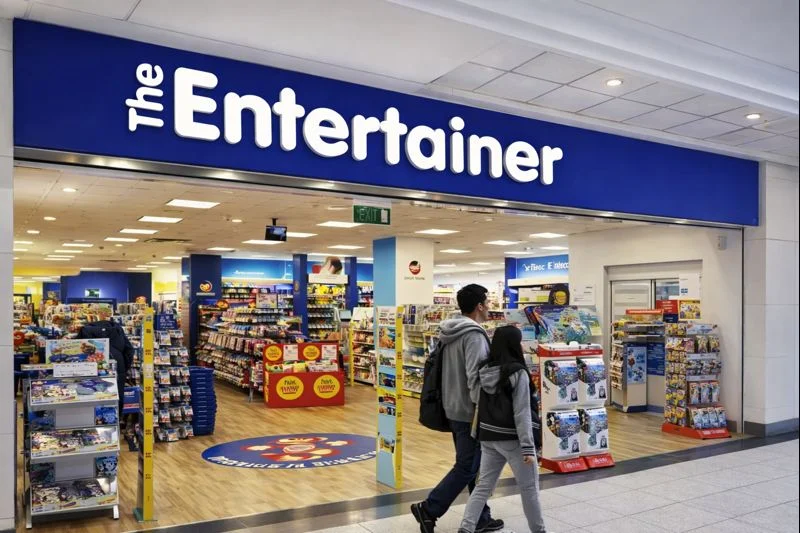
The closure of a beloved toy store often strikes a nerve. It’s not just about the loss of a retail space, it’s the loss of a place where generations of children have discovered birthday gifts, Christmas surprises, and their very first remote-controlled car or cuddly toy.
The Entertainer, a name familiar across UK high streets, is closing multiple locations, but not in silence. These closures raise broader questions about the sustainability of physical retail, community identity, and how consumer habits are rewriting the rules of engagement for even the strongest brands.
But before jumping to conclusions about financial trouble or company decline, it’s essential to understand the real reasons behind these closures and what the future holds for The Entertainer.
What Is The Entertainer and Why Has It Been So Important to British Toy Retail?
The Entertainer, founded in 1981 by Gary Grant, is more than a toy store. For over four decades, it has stood out as a family-owned brand committed to children, play, and community. It has become a familiar sight on UK high streets, growing into the largest independent toy retailer in Britain.
By 2025, The Entertainer operated over 160 standalone stores and had extended its reach through partnerships with major retailers like Tesco, managing toy sections in over 2,700 locations. Its online platform continues to attract thousands of customers daily, ensuring that the brand’s presence is felt far beyond brick-and-mortar stores.
But even the most resilient names in retail must evolve with changing times.
Why Has The Entertainer Closed Stores Across the UK?
Contrary to what some may assume, The Entertainer’s recent closures do not suggest the business is struggling financially. Instead, the brand is restructuring and adapting to a retail landscape defined by digital convenience and cost pressures.
Speaking candidly about the situation, Andrew Murphy OBE, Group Chief Executive of The Entertainer, noted:
“Like most large national retailers, we continuously assess potential new locations while deciding whether to renew those shops which have reached the end of their lease arrangements.“
In essence, many of the recent closures are strategic—prompted by lease expirations, rising costs, and a shift in consumer behaviour.
Which Stores Have Closed Recently and Why?
Between late 2024 and early 2025, several Entertainer locations have closed. While the reasons vary, most point to two recurring issues: lease agreements ending and rising operational costs making continued trading unfeasible.
Here’s a closer look at some of the affected locations:
| Location | Shopping Centre | Closure Date | Reason for Closure |
| Dundee | Wellgate Centre | January 2025 | Lease ended, site commercially unviable |
| Edinburgh | Cameron Toll | January 2025 | Moving to stronger location |
| Luton | Luton Point | January 2025 | Declining profitability |
| Croydon | Whitgift Centre | February 2025 | Strategic withdrawal |
| Brent Cross & Haslemere | N/A | Early 2025 | Lease and cost challenges |
| Barrow-in-Furness | Dalton Road | May 2025 | “No longer profitable” |
One closure that captured significant local attention was Barrow-in-Furness. The Dalton Road branch, which replaced a former Argos in 2017, had become deeply rooted in the community. Beyond retail, it engaged in charity work, donated toys to Furness General Hospital, and hosted family-friendly events.
John Edwards, the former manager of the store, spoke to NWE Mail with visible emotion:
“The Entertainer was a dream job for seven years… we worked hard to make it a part of the community and an asset to the town centre. It wasn’t just a shop—it was an experience for the children. It’s a huge shame to lose that.”
His words echo the sentiment shared by many townsfolk who see the closure not just as a retail decision, but a cultural and emotional loss.
Is This the Beginning of the End for The Entertainer?
Absolutely not. In fact, The Entertainer remains Britain’s largest toy retailer, and despite closing certain stores, the business continues to invest in new opportunities.
Here’s what the company has going in its favour:
- Over 1,000 physical trading points when including Tesco outlets
- 861 shops inside Tesco stores, making the brand widely accessible
- A growing eCommerce platform, providing home delivery across the UK
- New store openings, including successful branches in Exeter and Milton Keynes
In many cases, stores are closing in favour of opening elsewhere. Edinburgh’s closure, for instance, is part of a strategy to reopen in a more viable location with higher footfall.
What Role Does Tesco and Online Expansion Play in The Entertainer’s Future?
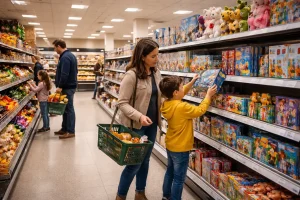
The partnership with Tesco is central to The Entertainer’s evolution. By integrating into Tesco stores, the brand reduces overheads while maintaining physical presence.
It’s a mutually beneficial relationship. For Tesco, it enriches their product offering; for The Entertainer, it offers cost-effective exposure to millions of shoppers. These in-store sections are smaller but carefully curated, offering everything from LEGO and Barbie to puzzles and science kits.
Andrew Murphy explains:
“Customers can continue to shop our range of great value toys and games online, as well as in selected Tesco stores.“
The Tesco integration, combined with robust online operations, creates a more flexible model that blends the convenience of digital with the trust and experience of physical shopping.
What Does Employee Ownership Mean for the Brand’s Direction?
In August 2025, founder Gary Grant transferred ownership of The Entertainer to an Employee Ownership Trust—a significant move that puts the future of the company in the hands of its staff.
Employee ownership is not just symbolic. It’s designed to:
- Encourage long-term thinking
- Improve morale and job satisfaction
- Foster accountability and customer service excellence
This ownership model aligns with the company’s historic values of integrity, family focus, and community spirit. It also sets The Entertainer apart from competitors, many of whom are controlled by corporate groups or private equity.
What is the Sunday Trading Trial and How Might It Change Shopping Patterns?
In response to shifting shopping habits, The Entertainer began a Sunday trading trial in September 2025 across all its standalone stores. The move is experimental but important. It reflects an understanding that modern consumers value flexibility—especially busy families who may only have weekends to shop in person.
The success or failure of this trial could influence broader opening hour policies within UK retail, especially as many town centre shops still observe traditional limited Sunday hours.
Is This a Sign of Broader Decline on the British High Street?
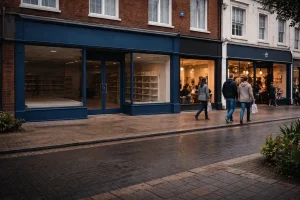
The closure of toy shops, bookstores, and other independent retailers is part of a wider issue—the changing face of the British high street. Physical retail is facing enormous challenges:
- Reduced footfall due to online shopping
- Soaring rents and business rates
- The rise of out-of-town retail parks
The Entertainer’s decision to leave less profitable town centre locations is not unique. It mirrors moves by other brands struggling with similar issues. However, the emotional response to toy shop closures—especially in smaller towns like Barrow—highlights just how deeply tied these businesses are to the fabric of local life.
What Does the Future Hold for Toy Shopping in the UK?
Looking ahead, toy shopping in the UK is likely to become a more hybrid experience. Large warehouse-style toy stores may continue to struggle, but curated in-store experiences within supermarkets or destination locations could thrive.
Here’s how toy retail is expected to evolve:
| Trend | Implication |
| More online toy shopping | Convenience will outweigh the need for physical visits |
| In-store experiences matter | Stores must create memorable, engaging environments |
| Community ties gain value | Brands involved in local events will win loyalty |
| Hybrid retail models rise | In-store + online + partnership models will dominate |
Conclusion: Is The Entertainer in Decline or Simply Evolving?
The answer is clear: The Entertainer is evolving, not retreating.
While closures like the one in Barrow-in-Furness feel deeply personal to communities, they are part of a strategic shift towards a leaner, more efficient, and more future-proof retail model. The business remains profitable, widely accessible, and committed to innovation—both online and in-store.
As Andrew Murphy succinctly puts it,
“We’re proud of the service we’ve offered and are committed to supporting our employees through this situation.”
If anything, The Entertainer’s story offers a lesson in retail resilience. Adaptation doesn’t always come without loss—but in the long run, it’s what keeps the doors open, even if those doors look a little different.
FAQs
Why has The Entertainer closed some stores but not others?
Closures are based on lease conditions, profitability, and shifting customer behaviour. Stores with lower footfall or higher operating costs are most likely to be reviewed.
Is The Entertainer still trading successfully in the UK?
Yes, it is the UK’s largest toy chain, with hundreds of locations through Tesco partnerships and a strong online presence.
Will there be more closures in 2026?
The company will continue reviewing its estate, so further closures are possible, especially where leases expire or performance drops.
How does the Employee Ownership Trust affect store decisions?
Employee ownership gives staff a stake in the company’s future but doesn’t guarantee all stores will remain open if they’re not profitable.
Is toy shopping shifting permanently to online?
Online is growing, but in-store experiences still matter—especially for younger children and during key seasons like Christmas.
What makes The Entertainer different from other retailers?
Its family roots, strong community ties, ethical trading policies, and commitment to staff make it stand out.
Can towns like Preston expect Entertainer closures?
Each location is reviewed independently, so any decision would depend on profitability, lease conditions, and customer demand in the area.