
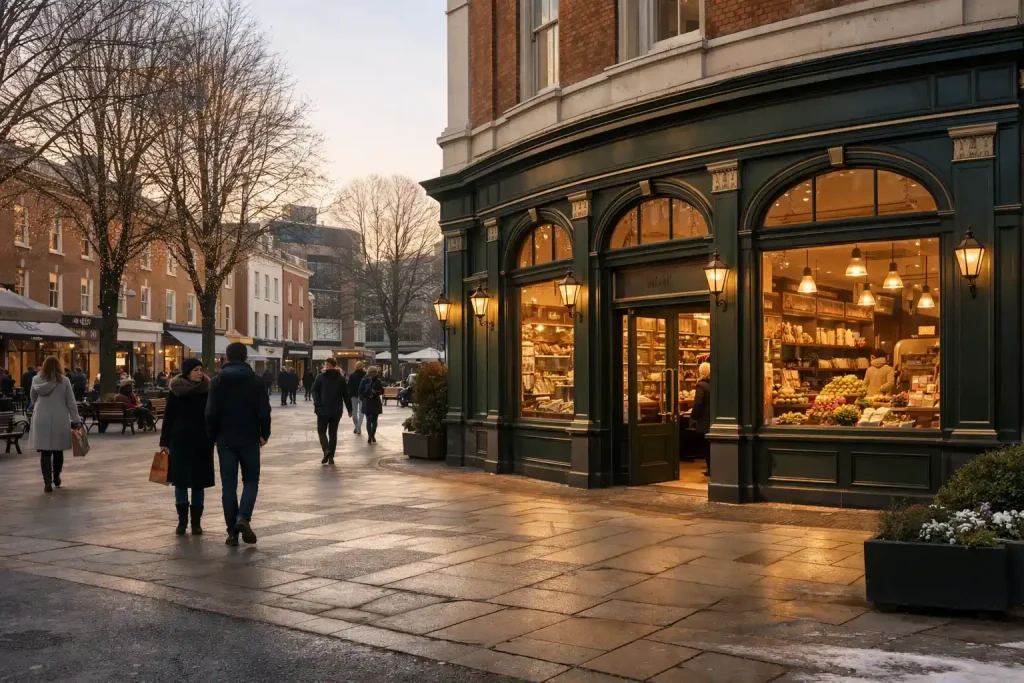
In early 2025, the announcement that Partridges, a royal-warrant-holding grocer in Chelsea, London, would close its doors came as a surprise to many. The store, deeply rooted in the British culinary and cultural landscape since 1972, was more than just a food shop. It was a symbol of British tradition, fine taste, and an enduring relationship with the Royal Family.
On 15 January 2025, the family behind Partridges confirmed the closure of the flagship store in Duke of York Square, with the last trading day set for 2 February. According to John Shepherd, the long-time owner and steward of the business:
“Although the Chelsea chapter is sadly coming to an end, we are looking forward to the future and building Partridges in smaller and more sustainable shop formats across London.”
This strategic shift to a more sustainable business model reflects wider trends in retail. Even stores with Royal Warrants are not immune to the rising operational costs and shifting consumer habits reshaping high street commerce in the UK.
What Did Partridges Represent to the Royal Family and the Public?
Partridges wasn’t just a food store, it was a place of prestige, frequented by royalty, politicians, celebrities, and loyal Londoners. Its relationship with the Royal Family began in 1991, when Buckingham Palace placed its first order with the store. The impression must have been favourable, as in 1994, Partridges was granted a Royal Warrant by Queen Elizabeth II.
Decades later, in a testament to its continued excellence and service, Partridges was granted a new Royal Warrant by King Charles III in 2024. This recognition came just months before the store’s closure, a bittersweet moment for both the business and its supporters.
The store’s clientele over the years read like a who’s who of Britain. Margaret Thatcher, Jane Asher, and Sophie Winkleman were said to have visited regularly. In 2023, Princess Michael of Kent acted as a judge in the store’s popular World Chelsea Bun Awards, a bake-off competition that had become an annual highlight and drew attention from across the UK and abroad.
Inside the store, customers could find a unique array of items, ranging from gulls’ eggs and frozen jugged hare to bird’s nest soup and luxury international delicacies. Partridges curated its shelves with a mix of heritage, exclusivity, and cultural diversity rarely found elsewhere.
Why Did the Owners Choose to Close Now?
John Shepherd’s decision to close the store came after careful reflection on the future of food retail in the capital. In his statement, he shared that the business had achieved carbon neutrality at both its Chelsea and Kensington branches, an achievement reflecting its commitment to environmental responsibility.
“We are very proud to have recently achieved carbon neutrality… and to have supported many local community initiatives, donating over £30,000 to charities and good causes last year.”
While Partridges had a strong brand, loyal customers, and royal approval, Shepherd acknowledged that maintaining a large-format flagship store was no longer the best path forward. Instead, the family plans to shift towards smaller, more manageable locations that are more adaptable to current shopping trends.
The closure reflects a broader pattern in UK retail, where historic, independent brands struggle to compete with both online marketplaces and rising high street costs. Partridges was not a failing business; it was a business adapting to change.
What Will Happen to the Duke of York Square Storefront and the Beloved Food Market?
The physical store space in Chelsea is now under the management of Cadogan Estate, the longstanding landlord. In a commitment to preserve the square’s heritage and character, Cadogan has introduced The Chelsea Grocer as a high-quality independent food shop to occupy the former Partridges space.
The weekly Fine Food Market, held every Saturday and curated by Partridges for over 19 years, will also continue. From 8 February 2025, Cadogan will take over its operations, ensuring continuity for the many artisans and customers who depended on it.
John Shepherd noted:
“We have curated the market for nearly two decades, running almost 1,000 markets. During that time, we have invited hundreds of start-up artisans to attend and launch their businesses. We send all the traders our very best wishes for the future.”
This transition ensures that Partridges’ community-first legacy will endure, even if under new management.
How Has the Public Reacted to the Closure?
News of the closure has been met with a mixture of sadness, nostalgia, and frustration, especially among long-time Chelsea residents and loyal customers. Many have commented on social media and in news columns, describing the closure as another blow to British heritage on the high street.
The term “royal disappointment” has surfaced across media outlets to encapsulate public sentiment. The store wasn’t just a place to buy luxury ingredients; it was part of Chelsea’s identity, a local anchor with a national reputation.
One customer wrote on Instagram:
“I’ve shopped here since the 1980s, my children grew up coming here on Saturdays. This place is irreplaceable.”
Another added:
“If a Royal Warrant holder like Partridges can’t make it on the high street, what hope is there for any of us?”
Such remarks reflect not only the emotional value of the store but wider concerns about the state of independent retail in Britain today.
Can Loyal Customers Still Visit Partridges Somewhere Else?
Yes. While the Chelsea location has closed, Partridges continues to operate from its Gloucester Road branch in Kensington, only a short distance away.
| From Duke of York Square (Chelsea) | To Gloucester Road (Kensington) |
| By Car | Approx. 8 minutes |
| On Foot | Approx. 35 minutes |
| By Bicycle | Approx. 12 minutes |
This store will serve as the base for Partridges’ continued operations and, as John Shepherd indicated, could soon be joined by new store formats across the capital that align with modern customer behaviour and sustainability goals.
How Significant Was Partridges to British Food Culture and Retail Heritage?
To understand the significance of Partridges, one must consider its impact beyond sales and footfall. The shop was part of British retail history, one of the few remaining stores that offered a boutique shopping experience rooted in family values, tradition, and quality.
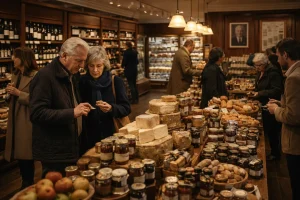
Partridges wasn’t just about products; it was about curation. The shop carried hard-to-find items from across the globe, often acting as the first UK retailer to stock certain delicacies. It nurtured food artisans through its market, shaped food trends, and stayed relevant by evolving its offerings without compromising quality.
Its dedication to sustainability, community, and authenticity positioned it not as just a luxury grocer but as a cultural landmark.
Does This Mark the End of an Era for Royal Warrant Retailers?
The closure of Partridges raises questions about the role and relevance of Royal Warrants in modern retail. While the designation remains prestigious, it no longer guarantees long-term business stability in a changing economic landscape.
Partridges isn’t alone; several other warrant holders have also closed or downsized in recent years, reflecting a larger shift in consumer habits and the need for adaptation. Nevertheless, the brand’s ability to secure a new warrant from King Charles III shortly before closing is a sign of its enduring reputation.
Whether or not smaller shop formats can maintain the same aura remains to be seen, but the Partridges name still carries weight.
Timeline: Key Events in Partridges’ History
| Year | Event |
| 1972 | Partridges opens in Chelsea |
| 1991 | First royal order from Buckingham Palace |
| 1994 | Receives Royal Warrant from Queen Elizabeth II |
| 2006 | Fine Food Market launched in Duke of York Square |
| 2023 | Princess Michael of Kent judges Chelsea Bun Awards |
| 2024 | Granted new Royal Warrant by King Charles III |
| Jan 2025 | Closure of Chelsea store announced |
| Feb 2025 | Store closes, and market management transitions to Cadogan |
Conclusion: What Legacy Does Partridges Leave Behind?
The closure of Partridges in Chelsea may be a moment of sadness, but it is not the end of the brand. Instead, it marks a transformation
One grounded in sustainability, adaptability, and the preservation of heritage through new means.
Partridges remains a beacon of quality and British tradition, and while its flagship doors may have closed, its values remain intact. In the words of John Shepherd:
“We will never forget you and could not have possibly done it all without you.”
The royal disappointment felt by the public is real, but so too is the hope that Partridges will continue to inspire, innovate, and serve with excellence in new ways.
Frequently Asked Questions (FAQs)
Why did Partridges close its flagship store despite its success?
The closure was a strategic decision to move toward smaller, more sustainable shop formats across London, better aligned with today’s retail environment.
Is Partridges still operating elsewhere?
Yes. The Gloucester Road branch in Kensington remains open and will serve as the brand’s operational centre moving forward.
What happened to the Chelsea Fine Food Market?
Cadogan Estate took over its management and continues to operate the market with a commitment to maintaining its character and standards.
What kind of products was Partridges famous for?
Partridges specialised in rare and luxurious items such as gulls’ eggs, bird’s nest soup, frozen jugged hare, and imported delicacies.
Will new Partridges stores be opened in London?
Plans are in place to expand using a more flexible and sustainable shop format, though no specific new locations have been announced yet.
How did the Royal Family respond to the closure?
While there was no formal statement, the media described the event as a “royal disappointment,” given the store’s long-standing royal connection.
Who now occupies the former Partridges Chelsea location?
The space has been taken over by The Chelsea Grocer, a new independent food retailer introduced by Cadogan Estate.