
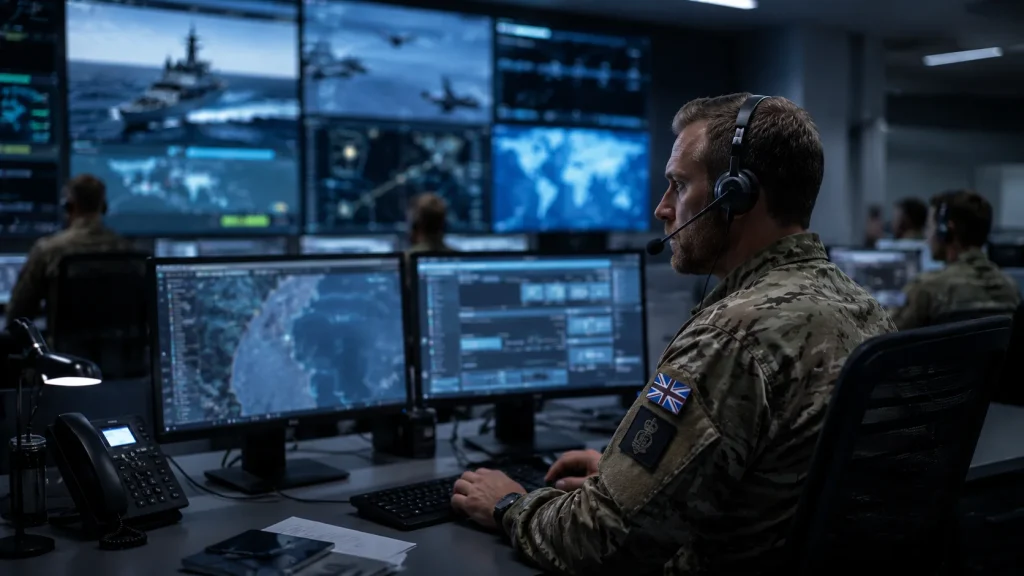
Could the UK Really Go to War With Russia in the Near Future?
Relations between the United Kingdom and Russia have deteriorated significantly over recent years, especially following the invasion of Ukraine and growing disputes between NATO and Moscow.
Political leaders, military analysts, and security experts have repeatedly warned about rising instability across Europe, leading many people in Britain to ask whether the UK could eventually be drawn into a larger conflict with Russia.
Although direct warfare between the two nuclear powers would have devastating global consequences, the situation remains complex. Britain’s role within NATO, its military support for Ukraine, and concerns surrounding cyber warfare and espionage continue to fuel public debate about future security risks.
Understanding these tensions requires examining military capabilities, diplomatic efforts, economic consequences, and international alliances shaping modern geopolitics.
Why Are UK-Russia Relations Becoming More Tense?
Relations between Britain and Russia have worsened due to several political, military, and diplomatic developments.
The most significant factor has been Russia’s invasion of Ukraine, which prompted the UK government to provide military aid, sanctions, and intelligence support to Kyiv.
Additional tensions have emerged through accusations of cyber attacks, election interference, espionage activities, and hostile diplomatic behaviour.
Britain has repeatedly criticised Russia’s actions in Europe, while Moscow has accused Western countries of provoking instability near its borders.
The Salisbury poisoning incident in 2018 further damaged trust between both nations. The UK accused Russian agents of carrying out a nerve agent attack on British soil, leading to expulsions of diplomats and severe diplomatic fallout.
Recent Diplomatic and Military Disputes
Modern tensions involve more than traditional warfare. Britain has accused Russia of conducting cyber attacks against critical infrastructure and spreading misinformation campaigns online.
Military aircraft interceptions near NATO airspace have also increased concerns about accidental escalation.
| Major Events Increasing UK-Russia Tensions | Year | Impact |
| Salisbury poisoning incident | 2018 | Severe diplomatic fallout |
| Russian invasion of Ukraine | 2022 | Increased NATO tensions |
| UK sanctions against Russia | 2022-Present | Economic and political pressure |
| Cyber security accusations | Ongoing | National security concerns |
| NATO military deployments | Ongoing | Higher military readiness |
Professor Michael Clarke, Defence Analyst: “The greatest danger is not necessarily a deliberate war between Britain and Russia, but the risk of miscalculation during periods of sustained military tension.”
Could the Ukraine War Pull the UK Into a Wider Conflict?
The war in Ukraine remains the biggest factor influencing fears about wider European conflict. Britain has been one of Ukraine’s strongest supporters, supplying weapons, training programmes, intelligence assistance, and humanitarian aid.
Despite this support, the UK has avoided direct military confrontation with Russian forces. NATO members have consistently stated that they do not seek war with Russia, although they continue supporting Ukraine’s defence efforts.
The greatest concern involves the possibility of escalation. If fighting were to spill into neighbouring NATO countries, Article 5 collective defence obligations could significantly increase Britain’s military involvement.
How Does NATO Influence the UK’s Position Against Russia?
NATO remains central to Britain’s defence and foreign policy strategy. As one of NATO’s leading military powers, the UK plays an active role in strengthening European security and deterring aggression.
The alliance operates under the principle that an attack against one member state is considered an attack against all members. This collective defence structure is designed to discourage hostile actions from adversaries such as Russia.
Understanding NATO Article 5
Article 5 has only been invoked once in NATO history following the September 11 attacks in the United States. If Russia attacked a NATO member directly, Britain would likely be expected to contribute military support under alliance commitments.
However, political leaders generally aim to avoid scenarios that could trigger direct confrontation between nuclear powers.
Britain’s Role Within NATO Operations
Britain contributes troops, naval assets, air power, intelligence, and strategic planning to NATO operations across Europe. British forces regularly participate in joint military exercises aimed at strengthening readiness against potential threats.
| NATO Contributions by the UK | Purpose |
| Troop deployments in Eastern Europe | Deterrence against aggression |
| Intelligence sharing | Security coordination |
| Naval patrols | Maritime defence |
| Air policing missions | Monitoring NATO airspace |
| Military training programmes | Supporting allied forces |
Is the UK Military Prepared for a Potential Conflict With Russia?

Britain is currently implementing the 2026 Defence Command Paper updates, which prioritize “Deterrence by Denial”. With the UK government aiming for a defense spending target of 2.5% of GDP by the end of the decade, the focus has shifted heavily toward the “Integrated Force” model.
This modernizes the British Army’s capabilities to respond to high-intensity conflict while maintaining a permanent naval presence in the North Atlantic to monitor Russian submarine activity.
The British Armed Forces possess advanced naval capabilities, cyber defence systems, nuclear deterrence programmes, and intelligence networks.
However, modern warfare increasingly focuses on technology, cyber operations, and intelligence rather than large-scale ground invasions.
Current Strength of the British Armed Forces
The UK military includes the British Army, Royal Navy, and Royal Air Force. Britain’s nuclear deterrent, based on the Trident submarine programme, remains a key element of national defence policy.
Military experts believe Britain would rely heavily on NATO coordination in any major conflict scenario involving Russia.
Defence Spending and Modernisation Plans
Recent government strategies have focused on increasing defence budgets and modernising military infrastructure. Investments have targeted cyber security, artificial intelligence, drone technology, and rapid deployment capabilities.
| UK Military Capability | Current Focus |
| Cyber defence | Protection against digital attacks |
| Naval forces | North Atlantic security |
| Air defence systems | NATO coordination |
| Nuclear deterrence | Strategic defence |
| Intelligence operations | Threat monitoring |
General Sir Patrick Sanders, Former Head of the British Army: “Modern conflict is no longer limited to battlefields. Cyber attacks, misinformation, and economic disruption are now central elements of national security threats.”
What Security Threats Does Russia Pose to the UK?
The modern security threat landscape extends beyond traditional military warfare. British intelligence agencies increasingly warn about hybrid warfare tactics involving cyber attacks, espionage, disinformation, and infrastructure targeting.
Russia has repeatedly been accused of using these methods to undermine Western stability without entering direct military conflict.
Beyond infrastructure, “Cognitive Warfare” has become a major concern in 2026. This involves the use of AI-driven misinformation designed to polarize the British public on security issues.
The UK’s National Cyber Security Centre (NCSC) has issued updated 2026 guidelines for businesses to defend against “Ransomware-as-a-Statecraft,” where financial disruption is used as a political tool.
Cyber Warfare and Digital Attacks
Cyber attacks pose one of the most immediate risks to Britain. Critical infrastructure including banking systems, healthcare networks, energy supplies, and communication systems could potentially become targets during periods of heightened tensions.
The UK government has invested heavily in cyber defence programmes to protect against these evolving threats.
Espionage and Intelligence Risks
Intelligence agencies continue monitoring suspected espionage activities linked to hostile states. Concerns include information theft, political interference, and surveillance operations targeting sensitive institutions.
Energy and Infrastructure Concerns
Although the UK relies less heavily on Russian energy compared to some European countries, global energy markets remain vulnerable to geopolitical instability. Rising tensions can still affect fuel prices, supply chains, and economic confidence.
Could a Direct War Between the UK and Russia Actually Happen?
Most defence analysts believe direct war remains unlikely because both nations understand the catastrophic consequences of military escalation between nuclear powers.
Diplomatic channels, international pressure, and mutual deterrence all reduce the likelihood of deliberate conflict.
However, accidental escalation remains a serious concern. Military incidents, cyber attacks, or misunderstandings between NATO and Russian forces could rapidly increase tensions if not carefully managed.
How Would a Russia-UK Conflict Affect British Citizens?
Even without direct warfare on British soil, a major geopolitical conflict would significantly impact everyday life in the UK.
Economic disruption, rising prices, cyber threats, and increased security measures could affect households and businesses across the country.
Economic Consequences for the UK
Financial markets would likely experience instability during major conflict escalation. Energy prices, inflation, and international trade could all face severe disruption.
| Potential Impact on British Citizens | Possible Consequences |
| Energy supply disruption | Higher household bills |
| Cyber attacks | Banking and communication issues |
| Trade restrictions | Increased product costs |
| Military spending increases | Pressure on public finances |
| Market instability | Economic uncertainty |
Travel, Trade and Supply Chain Disruptions
International sanctions and transport restrictions could affect travel routes, imported goods, and manufacturing supply chains. Businesses relying on European trade networks could face additional pressure.
Strategic Autonomy
Unlike the 2022 energy crisis, the UK has significantly diversified its energy mix by May 2026. However, a direct conflict would still pose a threat to the “interconnectors” that supply electricity from mainland Europe.
Protecting these subsea assets is now a primary pillar of the UK’s National Risk Register, as any disruption would lead to immediate volatility in the UK manufacturing sector.
Public Safety and Emergency Preparedness
The government may increase security measures during periods of heightened geopolitical tension. Emergency planning systems could become more visible through public awareness campaigns and infrastructure protection initiatives.
Dr Fiona Hill, Foreign Policy Expert: “The UK faces a long-term strategic challenge from Russia that extends beyond military confrontation and increasingly involves cyber operations, political pressure, and information warfare.”
How Is the UK Government Responding to Rising Russia Tensions?
The British government has adopted multiple strategies aimed at strengthening national security while avoiding unnecessary escalation.
These measures include military support for NATO allies, economic sanctions, intelligence cooperation, and defence modernisation programmes.
Military Alliances and Strategic Planning
Britain continues participating in NATO defence exercises and international security partnerships. These activities aim to deter aggression while maintaining military readiness.
Diplomatic Measures and Sanctions
Economic sanctions targeting Russian industries, businesses, and individuals remain central to Britain’s response strategy. Diplomatic pressure is designed to limit Russia’s ability to expand military operations.
Would NATO Defend Britain if Russia Attacked?

Under NATO’s collective defence agreement, member states are expected to assist one another in the event of an armed attack. Britain would almost certainly receive military support from NATO allies if directly threatened.
However, responses can vary depending on the nature of the attack. Cyber warfare and hybrid threats may require more complex international coordination compared to conventional military attacks.
What Could Prevent a War Between the UK and Russia?
Diplomacy remains the most important factor preventing wider conflict. International organisations, negotiations, and strategic communication channels all help reduce the likelihood of escalation.
Economic interdependence and global political pressure also encourage restraint among major powers.
Diplomatic Negotiations
Even during periods of hostility, diplomatic discussions continue between governments and international institutions. Maintaining communication reduces the risk of misunderstandings escalating into conflict.
International Pressure and Peace Efforts
Countries across Europe and beyond continue supporting efforts aimed at reducing military escalation and encouraging peaceful resolutions to disputes.
How Would a UK-Russia War Affect Europe and Global Stability?
A direct conflict involving Britain and Russia would have enormous global consequences. Financial markets, international trade, energy security, and diplomatic relations would all face severe disruption.
Because both countries possess nuclear capabilities, international leaders remain highly focused on preventing escalation beyond regional tensions.
Global organisations including the United Nations continue advocating for diplomatic solutions to maintain international stability.
Is Britain Preparing for Future Security Risks?
Britain is increasingly preparing for long-term security challenges through defence investment, intelligence coordination, cyber resilience programmes, and NATO cooperation.
Modern national security planning focuses not only on military readiness but also on protecting digital infrastructure, supply chains, and public institutions against evolving threats.
Government officials continue emphasising preparedness while also stating that diplomacy remains the preferred approach for maintaining peace and stability.
Conclusion
The possibility of the UK going to war with Russia remains a serious public concern, but most experts believe direct conflict is still unlikely. Rising tensions driven by the Ukraine war, NATO activity, cyber threats, and geopolitical rivalry have certainly increased security risks across Europe.
However, diplomatic efforts, nuclear deterrence, and international alliances continue acting as major barriers against full-scale war.
Britain is strengthening its defence capabilities while working closely with NATO allies to maintain stability. Although uncertainty remains within global politics, current strategies remain focused on deterrence, preparedness, and preventing escalation rather than pursuing direct military confrontation.
FAQs
Could cyber attacks from Russia impact everyday life in the UK?
Yes, cyber attacks could potentially affect banking systems, transport networks, healthcare services, and communication infrastructure. The UK government continues investing heavily in cyber security to reduce these risks.
What is NATO’s role in protecting the United Kingdom?
NATO provides collective defence support among member nations. If Britain faced a direct military attack, NATO allies would likely coordinate defensive measures under Article 5 commitments.
Has Britain ever been in direct conflict with Russia before?
Britain and Russia have historically experienced periods of rivalry and cooperation. While they opposed each other during the Cold War politically, direct warfare between modern Britain and Russia has not occurred.
How likely do experts believe a UK-Russia war is?
Most defence experts believe direct war remains unlikely due to nuclear deterrence and diplomatic safeguards. However, they continue warning about cyber threats and accidental escalation risks.
Could economic sanctions increase tensions further?
Sanctions can increase political tensions because they place economic pressure on governments and industries. However, they are often used as alternatives to direct military action.
How would a war affect fuel prices and the UK economy?
Major geopolitical conflict would likely increase fuel prices, disrupt trade routes, and create economic uncertainty. Supply chain problems could also increase the cost of goods and services.
What steps is the British government taking to improve national security?
The government is increasing defence investment, strengthening cyber security systems, supporting NATO operations, and improving intelligence cooperation with allied countries.