

✈️TRAVEL INSURANCE & WAR – KEY COVERAGE WARNING
Most Standard Travel Insurance Policies: Typically exclude claims related to war, armed conflict, invasion, rebellion, or civil unrest.
However, some protections, such as medical emergencies or repatriation, may still apply depending on your policy terms.
📌 Why This Travel Insurance Warning Matters
- War Exclusion Clauses: Most policies exclude losses caused directly by war or military conflict
- Government Travel Advice: Travelling against FCDO advice can invalidate insurance cover
- Airline Responsibility: Flight refunds or re-routing often come from airlines, not insurers
- Medical Protection: Many policies still cover illness or injury unrelated to the conflict
- Timing Matters: Insurance purchased after a conflict begins may not cover related claims
Why It Matters: Understanding travel insurance war exclusions can help travellers avoid unexpected financial losses and make safer decisions when planning trips during global conflicts.
Travel Coverage Snapshot:
- Typical Policy Coverage: Medical emergencies, trip cancellation, baggage loss
- Common Exclusion: War, armed conflict, rebellion, invasion
- Possible Remaining Cover: Medical treatment unrelated to the conflict
- Travel Advice Impact: FCDO warnings may affect insurance validity
- Alternative Protection: Airline refunds or package holiday rights
- Best Practice: Check policy wording before travelling
“Travellers should always check the exclusions in their policy carefully, as many standard travel insurance plans do not cover war or conflict-related disruption.”
What Does Travel Insurance Typically Cover When You Travel Abroad?

Travel insurance is designed to protect travellers from a range of unexpected problems before or during a trip. Standard policies generally provide coverage for several common travel-related risks.
Typically, travel insurance may include protection for:
- Trip cancellation or interruption due to illness, injury, or unforeseen circumstances
- Emergency medical treatment abroad if you become ill or injured
- Lost, stolen, or damaged luggage and belongings
- Travel delays and missed connections
- Emergency evacuation or repatriation to your home country
These protections are intended to give travellers financial security when something goes wrong during a trip.
According to financial guidance services such as MoneyHelper, travel insurance policies usually cover a broad range of travel disruptions and medical emergencies.
However, policies also include exclusions, events or circumstances that insurers will not cover. One of the most significant exclusions found in many policies involves acts of war or armed conflict.
What Does Travel Insurance Usually Say About War or Armed Conflict?
In most cases, standard travel insurance does not cover losses directly caused by war or armed conflict. Insurance policies commonly contain clauses excluding events such as military action, invasion, rebellion, or civil war.
These exclusions exist because large-scale conflicts create widespread disruption that insurers cannot easily predict or financially absorb. As a result, many policies specifically state that claims related to war or similar events will not be paid.
The Association of British Insurers (ABI) explains this clearly.
“Most travel insurance policies contain exclusions relating to war, conflict or insurrection, which means claims directly linked to these events may not be covered.”
This means that if a conflict directly causes your trip to be cancelled or interrupted, the policy may not reimburse those costs. However, this does not necessarily mean travellers have no protection at all.
In some circumstances, other parts of the travel system, such as airlines, tour operators, or government travel advice, can determine what compensation or support is available.
What Types of War-Related Events Are Commonly Excluded from Travel Insurance?

Insurance policies typically use broad language when describing war-related exclusions. These exclusions often cover several types of conflict-related situations.
Common War and Conflict Exclusions
Most travel insurance policies exclude coverage for events such as:
- War or declared military conflict
- Civil war or rebellion
- Armed invasion by another country
- Insurrection or political uprisings
- Military operations or hostilities
These exclusions may apply even if a conflict is not officially declared as a war.
Disruptions and Financial Losses
Travel insurance policies also often exclude losses caused directly by conflict-related disruption, including:
- Cancelling a trip because of fear of war
- Flight delays or cancellations caused by military activity
- Extra accommodation costs due to conflict-related disruption
- Tour cancellations linked to war zones
Because these situations are considered extraordinary global events, insurers generally expect travellers to rely on airlines, tour operators, or government assistance instead.
What Happens If War Breaks Out After You Have Already Booked Your Trip?

Timing can make a significant difference when it comes to travel insurance claims. If you booked your trip before a conflict began, some protections might still apply depending on the circumstances.
However, insurers often rely on a principle known as a “known event exclusion.” This means that once a conflict becomes widely known, any insurance purchased afterwards will usually not cover claims related to that event.
For example, if you purchase travel insurance after news of a conflict has already emerged, your policy will likely exclude claims linked to that situation.
Travel insurance expert Suzanne Morrow of InsureMyTrip explains the logic behind this rule:
“Buying travel insurance after a crisis has already started is similar to purchasing car insurance after an accident has occurred.”
Nevertheless, if the conflict escalates after you have already booked both your trip and insurance, your policy may still offer limited protection, particularly if government travel advice changes unexpectedly.
What Role Does FCDO Travel Advice Play in Travel Insurance Coverage?
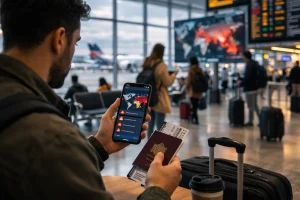
For UK travellers, guidance from the Foreign Commonwealth and Development Office (FCDO) plays a major role in determining whether travel insurance remains valid.
The FCDO regularly issues travel advice for destinations around the world. These warnings are typically divided into different categories, ranging from general guidance to advice against all travel.
FCDO Travel Advice Categories
| FCDO Advice Level | Meaning for Travellers | Possible Insurance Impact |
| Advise against all travel | Travel is considered extremely dangerous | Insurance policies may become invalid |
| Advise against all but essential travel | Serious safety risks exist | Some policies may limit coverage |
| Standard travel advice | Normal travel guidance and safety tips | Insurance generally remains valid |
If you decide to travel to a destination where the FCDO advises against all travel, most insurers may refuse claims related to that trip.
However, if the FCDO changes its advice after you booked your trip, your travel provider or insurer may offer additional options, including refunds or cancellations.
According to ABTA, the UK travel industry body:
“If official travel advice changes after a holiday has been booked, travellers may be entitled to a refund or an alternative holiday.”
Understanding FCDO guidance before booking and before travelling is therefore essential.
What Rights Do Travellers Have If Flights Are Cancelled Due to War or Conflict?
Even if travel insurance does not cover war-related disruption, travellers may still have rights under airline regulations.
Flights departing from the UK or EU, or operated by UK or EU airlines, are typically protected under passenger rights rules.
Airline Refund and Re-Routing Rights
If an airline cancels your flight, you are usually entitled to:
- A full refund, or
- An alternative flight to your destination
Importantly, the replacement flight does not necessarily have to be with the same airline.
Duty of Care for Passengers
When flights are delayed or cancelled, airlines must also provide assistance.
This includes:
- Food and refreshments during long delays
- Accommodation if an overnight stay is required
- Transport between the airport and hotel
- Access to communication, such as phone calls or emails
However, additional compensation typically ranging between £210 and £520 is unlikely if the disruption was caused by extraordinary circumstances such as war.
Key Airline Passenger Rights During Major Disruptions:
| Situation | What Airlines Must Provide |
| Flight cancelled | Refund or re-routing |
| Long delay | Meals, refreshments, and updates |
| Overnight delay | Hotel accommodation and transport |
| Extraordinary events (war or conflict) | Duty of care, but usually no compensation |
These protections often play a more significant role than travel insurance when conflicts disrupt travel plans.
What Travel Insurance Might Still Cover During a War or Conflict Situation?

Even though most travel insurance policies exclude war-related losses, some forms of protection may still apply depending on the situation.
For example, many insurers continue to cover medical emergencies unrelated to the conflict. If you fall ill or suffer an accident while abroad, your policy may still pay for medical treatment and hospital costs.
Some insurers may also extend travel insurance policies automatically if travellers are stranded abroad due to flight cancellations.
Industry guidance suggests that insurers may consider claims in certain scenarios, particularly when travellers cannot recover costs from airlines or travel providers first.
For instance, some insurers may review claims involving:
- Medical emergencies unrelated to the conflict
- Emergency repatriation to the UK
- Extended accommodation due to unavoidable delays
- Trip curtailment following sudden government travel warnings
However, insurers usually assess these cases individually. Travellers should contact their insurer directly to confirm their coverage.
What Are the Differences Between Package Holidays and DIY Travel Bookings?
The way you book a holiday can affect your rights if travel disruptions occur. Package holidays and DIY travel bookings follow different rules, especially when unexpected situations like cancellations, conflicts, or major travel disruptions happen.
| Aspect | Package Holidays | DIY Travel Bookings |
| Booking Structure | Flights, accommodation, and sometimes transfers sold together as one package | Flights, hotels, and activities booked separately by the traveller |
| Legal Protection | Protected under UK Package Travel Regulations | Limited legal protection |
| Responsibility | Travel company responsible for the entire holiday | Each provider responsible for their own service |
| Refund Process | Easier refund or alternative trip if disruptions occur | Must contact each airline, hotel, or service provider separately |
| Customer Support | One point of contact for issues | Multiple companies to deal with |
| Risk During Disruptions | Lower risk for travellers | Higher risk due to separate bookings |
Understanding these differences can help travellers choose the booking style that offers the level of protection and flexibility they prefer when planning a trip.
What Steps Should You Take If Your Travel Plans Are Disrupted by War Abroad?

When conflicts disrupt travel, acting quickly and staying informed can help minimise financial losses.
If your travel plans are affected, consider taking the following steps:
- Check the latest FCDO travel advice for your destination
- Contact your airline or travel provider for updates
- Notify your travel insurance provider about the situation
- Keep receipts and documentation for any extra expenses
- Monitor official airline websites for flight updates
Travellers should also remain cautious about scams during major disruptions. Fraudsters sometimes impersonate airlines on social media to exploit stranded passengers.
Always verify contact details through official websites before sharing personal information or payment details.
Conclusion
In short, while travel insurance protects travellers against many common disruptions, most policies exclude claims related to war or armed conflict. Understanding these exclusions, checking FCDO travel advice, and reviewing policy wording before travelling can help avoid unexpected financial losses during global conflicts.
Frequently Asked Questions
Does travel insurance cover terrorism or political unrest?
Some travel insurance policies treat terrorism differently from war. While war is usually excluded, certain policies may cover disruptions caused by terrorist incidents depending on the policy terms.
Can you buy travel insurance after a conflict has already started?
Yes, but the policy will likely exclude claims related to the existing conflict because insurers consider it a known event.
Will travel insurance pay for extra hotel stays during international conflicts?
In many cases, these costs are the responsibility of airlines or travel providers first. Insurance may only apply if those providers cannot cover the expenses.
How much does travel insurance typically cost for international trips?
Travel insurance generally costs around 5–10% of the total trip price, although prices vary depending on age, destination, and coverage level.
Does annual travel insurance include protection for geopolitical risks?
Most annual travel policies still exclude war and armed conflict unless specific specialist coverage is included.
Can airlines refuse compensation if delays are caused by war?
Yes. War is considered an extraordinary circumstance, meaning airlines must provide assistance but usually do not have to pay additional compensation.
Is “Cancel for Any Reason” travel insurance worth considering?
Cancel for Any Reason (CFAR) policies allow travellers to cancel trips for almost any reason, though they typically reimburse only 50–75% of costs and must be purchased shortly after booking.