
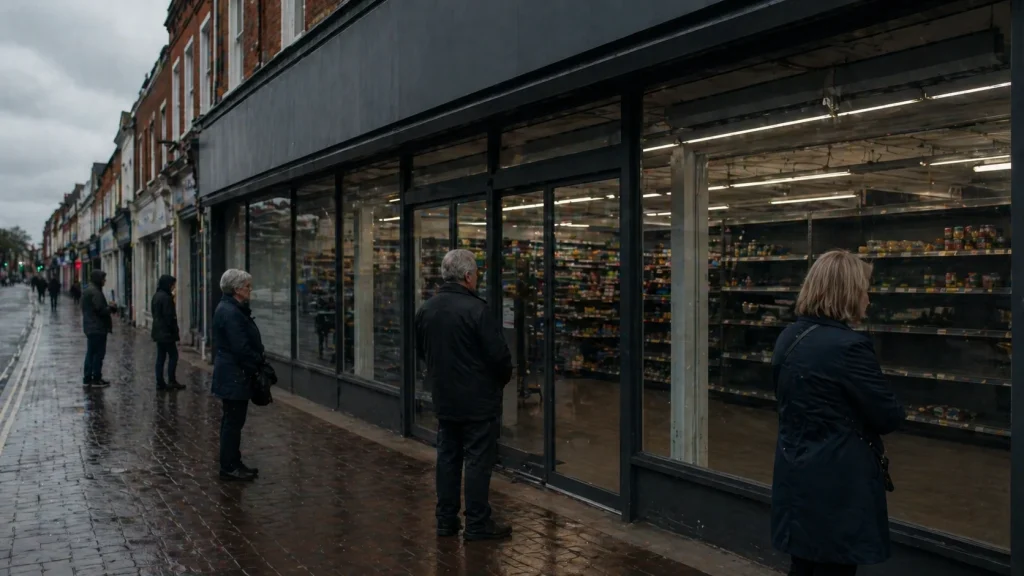
What Is Behind the British Supermarket Chain Collapse in the UK?

The current British supermarket chain collapse is not an isolated event but part of a broader shift within the UK retail landscape. Southern Co-op’s financial struggles reflect ongoing pressures faced by mid-sized supermarket chains trying to compete in a highly saturated and price-sensitive market.
Increasing operational costs, reduced consumer spending, and aggressive competition from discount retailers have created an environment where profitability is becoming harder to sustain.
The situation is further intensified by changing shopping behaviours. Consumers are prioritising value, shifting towards discount supermarkets and online grocery platforms.
This transition has placed traditional co-operative models under strain, particularly those with higher overhead costs and regional limitations. As a result, even long-established businesses with strong community ties are finding it difficult to remain financially viable.
A significant contributor to this instability was the massive cyberattack on the national Co-op Group in April 2025.
This attack cost the wider co-operative network approximately £285 million in lost revenue and caused severe logistical “empty shelf” issues that rippled down to regional partners like Southern Co-op, further weakening their ability to recover from post-inflationary pressures.
“Dr Emily Carter, Retail Economist: “Mid-tier supermarket chains are being squeezed from both ends premium brands dominate quality perception, while discounters win on price, leaving little room for traditional operators to compete effectively.””
Why Is Southern Co-op Facing Financial Collapse?
Years of Financial Losses and Mounting Pressure
Southern Co-op has been operating under sustained financial pressure for several years. The organisation has reported consecutive annual losses, highlighting a structural imbalance between income and expenditure.
Rising wage costs, increased supplier prices, and energy expenses have all contributed to a widening financial gap that has proven difficult to close.
Despite attempts to stabilise operations through cost-cutting measures, such as freezing recruitment and reducing office space, these efforts have not delivered sufficient savings.
The scale of the losses expected to exceed £20 million demonstrates the severity of the issue. Without a significant structural change, the business cannot continue operating in its current form.
Impact of Cyberattack and External Challenges
An additional layer of complexity stems from a cyberattack that affected the wider Co-op Group, indirectly impacting operations and trust within the network. While not the sole cause, such disruptions can lead to increased costs, operational inefficiencies, and reputational damage.
External economic challenges have also played a major role. Inflation, supply chain disruptions, and fluctuating demand have compounded the financial strain.
These combined factors have created a perfect storm, accelerating the pace at which the organisation has approached a potential collapse.
How Did the Financial Situation Deteriorate So Rapidly?
The speed of deterioration can be attributed to a combination of internal vulnerabilities and external shocks. While the business had already been experiencing financial instability, worsening market conditions over the past year significantly accelerated its decline.
Increased reliance on bank support and supplier credit indicates a liquidity issue that has now reached critical levels.
The inability to secure additional funding has further limited recovery options. As suppliers and financial institutions become more cautious, the company’s flexibility to manage short-term obligations diminishes.
This creates a cycle where declining confidence leads to reduced support, which in turn worsens the financial outlook.
How Serious Is the Risk to 300 Stores Across Southern England?
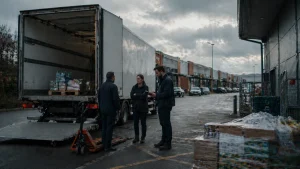
The risk to the 300-store network is substantial and immediate. These stores serve as essential retail hubs in many communities, providing access to groceries, employment, and local services. A collapse would not only disrupt daily life but also create economic ripple effects across the region.
Impact Breakdown Table
| Area | Estimated Impact |
| Stores at risk | 300+ locations |
| Jobs affected | Thousands of employees |
| Annual losses | £20+ million |
| Supplier network | Hundreds of partners |
The closure or sale of these stores could lead to reduced competition in certain areas, potentially affecting pricing and availability of goods. For smaller communities, the loss of a local supermarket can have a particularly severe impact, limiting access to essential products.
What Did Leadership Reveal About the Current Crisis?
Official Statement from Chief Executive and Chair
Leadership has taken an unusually transparent approach by outlining the full extent of the crisis to its members. The joint statement from Chief Executive Ben Stimson and Chair Janet Paraskeva emphasised that the organisation’s survival depends on immediate action. Their communication aimed to provide clarity on the severity of the situation and the limited options available.
They confirmed that the business has been reliant on ongoing support from banks and suppliers, which is no longer sustainable. This level of dependence signals a critical weakening of the company’s financial independence and highlights the urgency of the proposed merger.
Dependence on Banks and Suppliers
The reliance on external financial support underscores a fundamental issue in the business model. While short-term assistance has kept operations running, it is not a viable long-term solution. As conditions worsen, lenders and suppliers are less willing to extend further credit.
This shift places the company in a precarious position, where even minor disruptions could trigger insolvency proceedings. The leadership has made it clear that without additional backing, the organisation cannot continue operating independently.
Why Has External Financial Support Reached Its Limit?

External financial support has reached its limit primarily due to increased risk exposure. Banks and suppliers assess the likelihood of repayment, and prolonged losses reduce confidence in the company’s ability to recover. As a result, further support becomes increasingly difficult to justify.
Additionally, the broader economic climate has made lenders more cautious. With multiple sectors facing instability, financial institutions are tightening lending criteria.
This means struggling businesses like Southern Co-op face greater scrutiny and fewer opportunities to secure emergency funding.
Could a Merger with the Co-op Group Prevent Collapse?
Details of the Proposed Merger Deal
The proposed merger with the national Co-op Group represents the most viable solution to prevent a complete collapse.
By combining resources, the organisations aim to create a stronger, more resilient entity capable of navigating current market challenges. The merged group would generate approximately £11.5 billion in sales and operate nearly 2,500 stores.
This scale offers significant advantages, including improved purchasing power, operational efficiencies, and enhanced financial stability. The merger is positioned not as an expansion strategy but as a necessary step for survival.
Financial Stability and Business Continuity
From a financial perspective, the merger provides immediate relief by stabilising cash flow and reducing reliance on external support. It also allows for the integration of systems and processes, improving overall efficiency.
Pros and Cons of the Merger
| Pros | Cons |
| Immediate financial stability | Loss of independence |
| Job protection for many staff | Potential restructuring |
| Stronger market position | Cultural integration challenges |
“James Holloway, UK Retail Analyst: “Mergers of this scale are rarely about growth they are about survival. In this case, consolidation may be the only realistic path to preserving jobs and maintaining store operations.””
What Happens If the Merger Is Rejected by Members?
If members reject the merger, the most likely outcome is administration. This process involves appointing an external administrator to manage the company’s assets, often leading to store closures or asset sales. The impact would be immediate and far-reaching.
Key consequences could include:
- Closure of underperforming stores
- Job losses across multiple regions
- Disruption to supplier contracts
Administration prioritises debt repayment, which often comes at the expense of long-term business continuity. For employees and communities, this scenario represents the worst-case outcome.
How Will This Collapse Impact Jobs, Suppliers, and Communities?
The potential collapse carries significant implications beyond the business itself. Thousands of employees face uncertainty, with many at risk of redundancy if stores are closed or sold.
Suppliers, particularly smaller local producers, may also experience financial strain due to disrupted contracts.
Stakeholder Impact Table
| Stakeholder | Impact |
| Employees | Job insecurity and potential redundancy |
| Suppliers | Loss of contracts and revenue |
| Communities | Reduced access to local services |
Communities that rely on these stores could see a decline in local economic activity. Supermarkets often act as anchors for high streets, and their closure can lead to reduced footfall and further business losses in surrounding areas.
“Sarah Mitchell, Community Retail Consultant: “When a regional supermarket disappears, the impact goes far beyond retail it affects employment, local suppliers, and the social fabric of entire communities.””
What Role Does the Cost of Living Crisis Play in This Collapse?
The cost-of-living crisis has significantly altered consumer behaviour. Shoppers are increasingly prioritising affordability, often opting for discount retailers or reducing overall spending. This shift directly affects revenue for mid-range supermarkets that cannot compete purely on price.
At the same time, operating costs continue to rise. Energy bills, wages, and supply chain expenses have all increased, creating a challenging environment where margins are squeezed from both sides. This dual pressure makes it difficult for businesses to maintain profitability.
Is This a Sign of a Wider UK Supermarket and Retail Crisis?

The situation reflects broader challenges within the UK retail sector. Several high street retailers have faced closures or restructuring in recent years, indicating a systemic issue rather than isolated incidents.
The combination of economic pressure, changing consumer habits, and increased competition is reshaping the industry.
Retail Trends Table
| Trend | Impact on Supermarkets |
| Rise of discount chains | Increased competition |
| Online shopping growth | Reduced in-store traffic |
| Inflation | Higher operational costs |
These trends suggest that more businesses may face similar challenges unless they adapt quickly. The current crisis serves as a warning for other retailers operating under similar conditions.
What Does This Mean for the Future of British Supermarket Chains?
The future of British supermarket chains will likely involve consolidation, innovation, and adaptation. Businesses may need to rethink their operating models, focusing on efficiency, digital integration, and value-driven offerings. Those unable to adapt may struggle to survive in an increasingly competitive market.
Strategic partnerships and mergers could become more common as companies seek to strengthen their positions. The emphasis will shift towards sustainability, both financially and operationally, to ensure long-term viability.
The Road Ahead: What Happens in May 2026?
The fate of the 300 stores rests entirely on two upcoming Special General Meetings (SGMs):
- May 6, 2026: First member information session and initial vote.
- May 21, 2026: Final member vote to confirm the merger.
- May 22, 2026: Official announcement of the outcome.
- Q3 2026: If approved, the formal “transfer of engagements” will occur, though both businesses will likely operate independently for a period while awaiting Competition and Markets Authority (CMA) clearance.
Conclusion: Can the British Supermarket Chain Collapse Be Avoided?
The British supermarket chain’s collapse, threatening 300 UK stores, represents a critical moment for the retail sector.
While the proposed merger offers a potential lifeline, its success depends on member approval and effective implementation. Without it, administration appears increasingly likely, putting jobs and communities at risk.
The situation highlights the urgent need for adaptation within the industry, as economic pressures and changing consumer behaviour continue to reshape the market.
Ultimately, the outcome will serve as a key indicator of how resilient UK supermarket chains can be in the face of ongoing challenges.
FAQs
What is causing supermarket chains in the UK to struggle financially?
Rising costs, reduced consumer spending, and intense competition from discount retailers are the primary factors driving financial difficulties in the sector.
How many stores are affected by the Southern Co-op crisis?
More than 300 stores across southern England are currently at risk.
What does administration mean for a supermarket chain?
Administration involves appointing an external party to manage the company’s assets, often leading to restructuring or closure.
Will employees lose their jobs if the merger fails?
There is a high risk of job losses if the business enters administration.
How does inflation impact UK supermarkets?
Inflation increases operational costs while reducing consumer purchasing power, squeezing profit margins.
What role do members play in co-operative businesses?
Members vote on key decisions, including mergers, giving them significant influence over the company’s future.
Are more UK supermarket collapses expected in the future?
While not certain, ongoing economic pressures suggest that other retailers may face similar challenges if conditions do not improve.