

Why Are UK Health Officials Investigating This Meningococcal Meningitis Outbreak?

A meningococcal meningitis outbreak in Kent, particularly around Canterbury, has prompted urgent action from UK health authorities.
As of the latest updates, 15 cases of invasive meningococcal disease have been identified, with two tragic deaths reported. Several of these cases have been confirmed as meningitis B (MenB), the most common strain in the UK.
Health officials have described the situation as both “rapidly developing” and highly unusual due to the speed and clustering of cases, particularly among university students and young people.
Investigations suggest that social settings, including student accommodation and nightlife venues, may have contributed to the spread.
Dr Susan Hopkins from the UK Health Security Agency (UKHSA) stated:
“It’s the explosive nature that is unprecedented here – the number of cases in such a short space of time.”
While the outbreak is serious, authorities are working closely with local institutions, including the University of Kent, to contain the spread through targeted antibiotics and vaccination programmes. Residents are advised to stay informed and vigilant, but not to panic.
What Is Meningococcal Meningitis and Why Is It So Serious?
Meningococcal meningitis is a severe bacterial infection that affects the protective membranes surrounding the brain and spinal cord.
It is part of a broader condition known as invasive meningococcal disease, which can also lead to septicaemia (blood poisoning).
The bacteria responsible, Neisseria meningitidis, often lives harmlessly in the throat. However, in rare cases, it can enter the bloodstream and cause life-threatening complications within hours.
How the Infection Affects the Body?
When the bacteria invade:
- It can inflame the brain lining (meningitis)
- It may enter the bloodstream, causing septicaemia
- It can rapidly progress to sepsis, organ failure, or death
Why Early Treatment Is Critical?
Speed is the biggest danger. Symptoms can escalate within hours, and delays in treatment significantly increase risk. According to health experts, early antibiotic treatment dramatically improves survival rates.
Prof Paul Hunter, an infectious disease expert, noted:
“You can go from being mildly ill walking around to being dead in less than a day.”
What Symptoms of Meningitis Should Residents Watch For?

Recognising symptoms early is crucial during a meningococcal meningitis outbreak. Unfortunately, early signs can be mistaken for common illnesses such as flu or even a hangover, especially among students.
Common Symptoms to Watch For
- Sudden high fever
- Severe and persistent headache
- Stiff neck
- Nausea and vomiting
- Sensitivity to light
- Cold hands and feet
- Drowsiness or confusion
Advanced or Emergency Symptoms
- Seizures
- Difficulty waking
- Rapid breathing
- Pale or blotchy skin
- A rash that does not fade under pressure (glass test)
Why Symptoms Are Often Missed?
Many early symptoms overlap with everyday illnesses. This makes it easy to underestimate the severity, particularly in young adults living independently.
Key advice: Never wait for all symptoms to appear. If something feels seriously wrong, seek help immediately.
How Does Meningococcal Disease Spread from Person to Person?
Meningococcal disease spreads through close and prolonged contact, unlike airborne viruses. The bacteria are transmitted via respiratory droplets and saliva, making everyday social activities riskier.
Common ways the infection spreads include coughing, sneezing, kissing, sharing drinks, utensils, vapes, or cigarettes, and being in close living environments such as university halls of residence.
Students are particularly vulnerable due to shared accommodations, frequent social gatherings, close physical contact, and increased exposure to new bacteria.
Dr. Thomas Waite, Deputy Chief Medical Officer, explained:
“It takes quite a lot of prolonged contact for the bacteria to spread from one person to another,” highlighting the importance of close contact in transmission.
Who Is Most at Risk During This Meningitis Outbreak?

Although anyone can contract meningococcal disease, certain groups are more vulnerable in this outbreak.
Young people, particularly those in late teens and early twenties, are at increased risk due to both behavioural and biological factors.
A concerned Canterbury resident shared:
“It’s frightening because it feels so close to home. My son is at university, and you just don’t know if they’ll recognise the symptoms in time.”
High-Risk Groups Include:
- University students
- Teenagers and young adults
- Individuals in shared accommodation
- Close contacts of confirmed cases
- Those present at identified exposure locations
Many individuals in this age group did not receive the MenB vaccine as part of routine childhood immunisation, making them more susceptible.
What Should Residents Do If They Think They Have Been Exposed?
If you believe you may have been exposed during this meningococcal meningitis outbreak, it is essential to follow official public health guidance rather than act on assumptions.
Health authorities are identifying close contacts and advising them directly where possible.
Key Actions to Take:
- Follow instructions from UKHSA or NHS if contacted
- Attend designated centres for preventative antibiotics if advised
- Monitor for symptoms over the following days
- Avoid sharing personal items like drinks or vapes
When to Seek Medical Advice?
- Contact NHS 111 for guidance if unsure
- Speak to your GP if symptoms develop
- Call 999 or go to A&E in emergencies
Preventative antibiotics are highly effective when given early to those at risk.
What Should You Do If You Notice Symptoms in Yourself or Someone Else?

This is one of the most critical aspects of managing a meningococcal meningitis outbreak. Immediate action can save lives. If you or someone around you develops symptoms, do not delay. The condition can deteriorate rapidly.
A practical rule is to trust your instincts. If a person seems unusually ill, confused, or difficult to wake, act immediately.
Emergency Response Checklist:
| Situation | What You Should Do |
| Mild but concerning symptoms | Call NHS 111 or contact your GP |
| Rapidly worsening condition | Go to A&E immediately |
| Severe symptoms (confusion, seizures, rash) | Call 999 |
| Someone difficult to wake or unresponsive | Treat as a medical emergency |
Checking on others is equally important, particularly in student households where symptoms may be dismissed.
Are Antibiotics Being Offered and Who Actually Needs Them?
During the meningococcal meningitis outbreak, antibiotics are being offered as a preventative measure to those at higher risk. However, not everyone needs them. Antibiotics are targeted towards individuals identified through contact tracing or exposure.
Those being offered antibiotics include:
- Close contacts of confirmed cases
- Individuals linked to specific exposure events
- Students in affected accommodation
Antibiotics are crucial because they can prevent bacteria from developing into illness, reduce the risk of transmission, and provide immediate protection.
Trish Mannes from the UKHSA highlighted:
“People who need antibiotic treatment are responding to our calls to come forward, and we are working closely with the NHS to ensure these are offered promptly.”
This proactive approach helps limit the spread and protect those most vulnerable.
Is There a Vaccine for Meningitis B and Does MenACWY Protect You?

Vaccination plays a key role in controlling meningococcal disease, but there is often confusion about which vaccines provide protection.
The MenB vaccine specifically protects against meningitis B, the strain identified in this outbreak. However, it has only been routinely offered to infants since 2015.
Key Vaccine Differences:
| Vaccine | Protects Against | Who Receives It |
| MenB | Meningitis B | Infants (routine since 2015) |
| MenACWY | Groups A, C, W, Y | Teenagers (school programme) |
Important Clarification:
- MenACWY does not protect against MenB
- Many current university students are not vaccinated against MenB
This gap is a major factor in the current outbreak risk profile.
Should Residents in Kent or Nearby Areas Try to Get Vaccinated Now?
With rising concern over the ongoing meningococcal meningitis outbreak, many residents have considered seeking private vaccinations.
However, health authorities strongly advise against independent action and recommend following official guidance to ensure a coordinated and effective response.
A targeted vaccination programme is already underway, focusing on high-risk groups, including:
- Students living in university halls of residence
- Individuals identified through contact tracing and investigation
While private vaccines are available, demand has surged significantly, and supplies may be limited. It’s important for residents to:
- Wait for clear recommendations from the NHS or UKHSA
- Avoid making panic-driven decisions regarding vaccination
- Stay updated through official health channels to ensure proper action
Health experts continue to assess the situation, and vaccination distribution is being prioritised based on risk levels. Patience and careful adherence to official guidelines will help ensure the best possible outcome for the community.
How Can Residents Reduce the Risk of Further Spread?

Preventing the spread of meningococcal disease relies on simple but effective everyday habits. Awareness is essential during an outbreak, as early action can significantly reduce transmission within communities.
By staying informed and making small behavioural changes, residents can play a vital role in controlling the situation. Recognising symptoms early and avoiding activities that increase exposure are key to limiting the impact. Residents should also remain cautious in shared environments where close contact is common.
Here are a few practical steps to reduce risk:
- Maintain good hygiene, including regular handwashing and use of sanitisers
- Avoid sharing drinks, vapes, utensils, or other personal items
- Stay informed about symptoms and seek medical advice promptly
By following these precautions, residents can help protect themselves and others, especially in high-risk settings.
What Does This Outbreak Mean for Parents, Students and the Wider Community?
The meningococcal meningitis outbreak is serious, but experts stress it does not spread as easily as airborne illnesses like COVID-19. Transmission typically requires close and prolonged contact, meaning the risk is higher in shared living environments such as schools and universities.
The priority is awareness, early detection, and cooperation with public health guidance. Parents, students, and communities all play an important role in reducing risks and supporting those affected.
For families and students, it is important to:
- Talk openly about symptoms and when to seek medical help
- Encourage quick action if anyone feels unwell
- Promote awareness in shared living spaces like dormitories
By staying informed and working together, communities can reduce the spread and protect vulnerable individuals effectively
What Should Residents Remember Most About This Meningococcal Meningitis Outbreak?
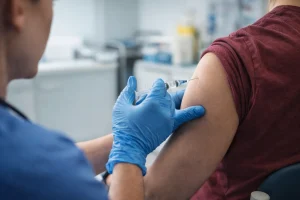
The most important message for residents is clear: stay alert, act quickly, and follow the official guidance from health authorities.
Meningococcal meningitis can be life-threatening if not treated promptly, but early recognition of symptoms and timely medical intervention can make a life-saving difference.
Understanding the symptoms of meningitis, knowing when to seek medical help, and staying informed through trusted health channels are critical steps in protecting both individuals and the wider community. Health authorities are working tirelessly to contain the outbreak, but cooperation from residents is key to controlling the situation.
By following official advice, monitoring for symptoms, and seeking medical attention early, residents can help prevent further complications and contribute to the overall safety of the community. Awareness, preparedness, and calm action are essential during this challenging time.
Conclusion
In summary, the Kent meningococcal meningitis outbreak demands vigilance, especially among students. Recognise symptoms like fever, stiff neck, and rash early, seek immediate NHS help, and follow UKHSA guidance on antibiotics and vaccines.
Avoid sharing drinks or vapes to curb spread. Health authorities are acting swiftly stay informed via official channels, act fast, and support containment efforts. Together, awareness and prompt action will protect lives and communities.
Frequently Asked Questions (FAQs)
Can meningococcal meningitis spread through casual contact?
No, it typically requires prolonged close contact such as kissing or sharing items that touch the mouth.
Does a rash always appear with meningitis?
No, the rash is not always present. You should not wait for it before seeking medical help.
Can adults get meningitis B if they were vaccinated as children?
Some adults may not have received the MenB vaccine, especially if born before 2015.
Is bacterial meningitis more dangerous than viral meningitis?
Yes, bacterial meningitis is generally more severe and requires urgent treatment.
Should students avoid social events during an outbreak?
It is advisable to limit high-risk behaviours, especially those involving close contact.
Can antibiotics fully prevent meningitis after exposure?
They significantly reduce the risk but are only recommended for specific individuals.
Why are university students more vulnerable?
Close living conditions and social interactions increase exposure risk.