
Why Is the DVSA Reviewing Motorcycle Licensing Rules in 2026?

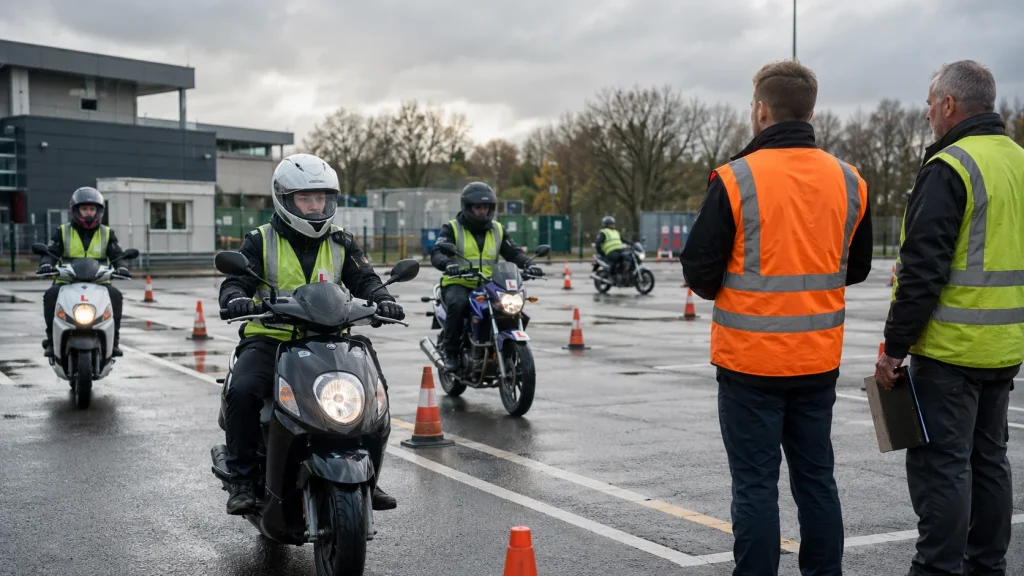
The DVSA launched the UK motorcycle licensing consultation to address long-standing concerns around rider safety, training quality and the complexity of the existing motorcycle licensing system.
Motorcycle riders remain one of the most vulnerable groups on UK roads, particularly among younger and inexperienced riders who are statistically more likely to be involved in collisions.
The current licensing structure includes multiple categories such as AM, A1, A2 and Category A licences, each carrying different age restrictions, motorcycle power limits and testing requirements.
While this framework was originally designed to encourage gradual rider progression, many industry professionals believe the system has become overly complicated and outdated.
The consultation also reflects changes within the wider transport sector. The growing use of automatic motorcycles and electric-powered two-wheelers has altered how new riders approach training and testing.
Existing regulations were largely created around manual motorcycles, creating inconsistencies in how learner riders are trained and assessed.
Urgent Action Required: The public consultation period is currently open and is scheduled to close at 11:59pm on 11 May 2026.
Riders and training providers are encouraged to submit their feedback via the official GOV.UK portal before this deadline to ensure their voices are heard in the final decision-making process.
Overview of the New Consultation Proposals
The consultation explores several significant reforms that could reshape motorcycle training in the UK. These include introducing mandatory theory learning before CBT, changing the duration and structure of CBT certificates, modernising instructor qualifications and introducing progressive access routes between licence categories.
The DVSA also wants to digitise CBT administration processes to improve record management, reduce fraud risks and streamline rider progression monitoring.
The Role of the DVSA in Motorcycle Safety
The DVSA is responsible for maintaining driving and riding standards across the UK. In recent years, road safety data has highlighted concerns regarding riders repeatedly renewing CBT certificates without progressing towards a full motorcycle licence.
Many safety experts argue this creates a situation where some riders remain at a basic competency level for years while regularly using public roads.
David Mercer, Senior Motorcycle Safety Advisor: “A large proportion of learner riders continue renewing CBT certificates instead of progressing through the full licensing system, and that creates long-term concerns around hazard awareness and advanced riding capability.”
Why Motorcycle Licensing Reforms Are Being Considered Now?
Road conditions, vehicle technology and rider behaviours have evolved significantly over the past decade. Electric motorcycles, delivery riders and urban commuting trends have increased motorcycle usage in UK cities, placing additional importance on effective rider training.
The government also aims to simplify licensing pathways while maintaining high road safety standards. This balance is central to the consultation.
What Changes Could Affect Moped and Motorcycle Riders?
The proposed reforms could affect nearly every stage of motorcycle training and licensing. Learner riders, instructors, training centres and even experienced riders upgrading their licences may all experience changes if the consultation proposals are implemented.
Proposed Reforms for AM, A1, A2 and Category A licences
The consultation applies to several motorcycle licence categories:
| Licence Category | Vehicle Type | Current Minimum Age | Proposed Focus |
|---|---|---|---|
| AM | Mopeds up to 50cc | 16 | Improved foundational training |
| A1 | Light motorcycles up to 125cc | 17 | Better progression routes |
| A2 | Medium motorcycles | 19 | Simplified upgrading process |
| A | Unrestricted motorcycles | 24 or progressive access | Enhanced rider competency |
The DVSA believes the current structure can discourage riders from progressing through licence categories due to cost, complexity and repeated testing requirements.
Simplifying Access to Motorcycling in the UK
Many learner riders currently face confusion regarding licence eligibility, training stages and testing requirements. Simplifying progression could encourage more riders to pursue full motorcycle licences instead of repeatedly relying on CBT renewals.
The consultation therefore focuses not only on safety but also on accessibility and transparency within the licensing process.
Should Learner Riders Be Restricted to Automatic Motorcycles?
One of the most discussed proposals involves restricting riders to automatic motorcycles if they complete CBT training on an automatic machine.
Currently, many learner riders complete CBT on automatic scooters but later ride manual motorcycles without receiving manual gear training.
The DVSA believes this could create safety concerns because riders may not fully understand clutch control, gear selection or engine braking techniques.
Impact on the Gig Economy and Delivery Sector
A primary driver for these reforms is the rapid growth of the delivery sector. With 1 in 3 road fatalities involving people riding for work, the DVSA is prioritizing the safety of “gig economy” riders.
By simplifying the path to a full license through Progressive Access, the government aims to move delivery riders away from “permanent learner” status on a CBT and toward more comprehensive training.
This shift is designed to provide better protection for riders who spend significant hours on the road in high-pressure environments.
Understanding automatic-only CBT proposals
Under the proposal, riders who complete CBT using automatic motorcycles would only be permitted to ride automatic motorcycles unless they complete additional manual training.
This system would mirror existing automatic-only car licence rules already used in the UK.
The proposal reflects wider changes in motorcycle usage patterns. Scooters and electric motorcycles have become increasingly common, especially among urban commuters and delivery riders.
Potential Impact on New Riders
Supporters argue the change would improve rider competency by ensuring learners only operate motorcycles they were trained to ride.
However, critics suggest the proposal could increase costs for riders who later decide to transition to manual motorcycles.
| Potential Benefits | Potential Concerns |
| Improved rider confidence | Additional training costs |
| Better vehicle-specific competence | Reduced flexibility for learners |
| Lower risk of gear-related mistakes | More complex progression process |
| Safer transition to public roads | Possible impact on training accessibility |
Could Motorcycle Theory Tests Become Mandatory Before CBT?
The DVSA is also considering introducing a mandatory theory test requirement before riders can complete CBT training.
At present, riders can begin CBT without passing a motorcycle theory test. Critics argue this allows some learners onto public roads without sufficient hazard perception or road rule knowledge.
How the Proposed Theory-first Approach Would Work?
Under the proposal, riders may need to complete either:
- A full motorcycle theory test before CBT
- A shorter theory assessment integrated into CBT training
This would ensure riders understand road signs, hazard awareness and traffic regulations before practical riding begins.
Many European countries already require stronger theoretical learning before practical motorcycle training.
Andrew Collins, Motorcycle Training School Director: “The biggest challenge instructors face is not always machine control. In many cases, learners lack confidence in road positioning, hazard recognition and understanding traffic systems before they even begin practical riding.”
The DVSA believes improved theoretical understanding could reduce accident risks among novice riders, particularly during early independent riding stages.
What Is the Progressive Access Training Course Proposal?
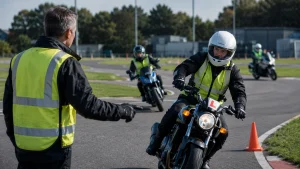
The consultation proposes introducing a progressive access training route that would allow riders to upgrade licences through structured training rather than repeatedly completing full practical tests.
This could represent one of the largest changes to UK motorcycle licensing in recent years.
How Riders Could Upgrade Licences Through Training?
Currently, riders moving from A1 to A2 or from A2 to Category A often need additional practical testing. The new proposal may allow riders with proven riding experience and additional training completion to upgrade more smoothly.
The system could work similarly to advanced rider development programmes used in some European licensing frameworks.
The DVSA believes this approach may:
- Encourage riders to continue developing their skills
- Reduce repeated testing barriers
- Improve long-term rider competency
- Create more structured rider progression
The proposal may also benefit training providers by increasing demand for advanced rider coaching programmes.
How Might the CBT Syllabus Change Under the New Reforms?
The DVSA believes the current CBT syllabus no longer fully reflects modern riding environments or current road safety challenges.
CBT was introduced as a basic training course designed to provide foundational riding knowledge before learners accessed public roads.
However, concerns have grown regarding whether the existing syllabus adequately prepares riders for modern traffic conditions.
The updated syllabus could include stronger focus on:
- Urban riding safety
- Hazard anticipation
- Riding in congested traffic
- Weather-related risk management
- Electric motorcycle operation
- Defensive riding techniques
Many training professionals believe CBT currently focuses heavily on basic operational skills while spending less time on real-world road strategy and hazard prediction.
The consultation therefore aims to modernise training without making CBT excessively complicated or inaccessible.
How Could Digital CBT Administration Improve Motorcycle Training?
The DVSA also plans to modernise how CBT training records and certificates are managed through digital systems.
Currently, many administrative processes remain paper-based, increasing the risk of lost records, inconsistent reporting and administrative inefficiencies.
Proposed Digital Systems for Managing CBT Records
The proposed digital platform could allow training providers to:
- Upload CBT completion records online
- Verify rider certification instantly
- Manage instructor records digitally
- Improve compliance monitoring
This would simplify administration for both riders and training schools.
Benefits for Riders, Instructors and Training Schools
Digital systems could reduce delays when verifying CBT completion and improve communication between riders, instructors and licensing authorities.
Training centres may also benefit from simplified reporting obligations and reduced paperwork management.
Reducing Paperwork and Improving Compliance
The DVSA believes digital administration could improve transparency while helping authorities monitor training quality more effectively.
Digital records may also help identify riders repeatedly renewing CBT without progressing through licence categories.
How Could the 2026 Consultation Improve Motorcycle Road Safety?
Road safety remains the central objective behind the consultation.
Motorcyclists face significantly greater physical vulnerability compared with car drivers, particularly during collisions involving speed, visibility issues or poor hazard perception.
The DVSA believes improving rider education earlier in the licensing process may reduce accident rates among inexperienced riders.
The consultation particularly focuses on ensuring learners develop stronger theoretical understanding before independently riding on public roads.
Improved instructor standards, updated CBT training and structured progression systems may collectively strengthen rider competency over time.
The consultation also reflects broader government efforts to modernise transport safety policies in response to changing vehicle technologies and urban transport patterns.
What Are the Main Criticisms and Concerns About the Proposed Changes?
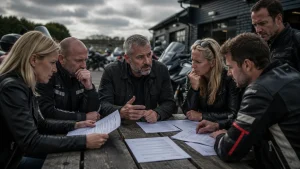
Although many safety organisations support the consultation, several concerns have been raised by riders and training providers.
Concerns About Increased Training Costs
Additional theory requirements, manual conversion training or progressive access courses could increase overall licensing costs for riders.
This may particularly affect younger riders and delivery workers who rely on motorcycles for affordable transportation.
Debate Around Automatic Motorcycle Restrictions
Critics argue that automatic-only restrictions could unnecessarily complicate motorcycle training pathways.
Some believe learners should retain the flexibility to ride both automatic and manual motorcycles after CBT completion, particularly given the practical similarities between smaller motorcycles and scooters.
Others argue the proposal reflects modern transport trends, especially with electric motorcycles becoming increasingly common.
When Will the UK Motorcycle Licensing Changes Be Introduced?
The consultation process allows the DVSA to gather public feedback before deciding whether proposed reforms should move forward into legislation and implementation stages.
Any future changes would likely require phased introduction periods to allow training providers, instructors and riders time to adapt.
What Riders Should Do While Waiting for Updates?
Riders should continue following current licensing requirements until official reforms are confirmed.
Training providers and learner riders may also benefit from monitoring DVSA announcements regarding consultation outcomes and implementation timelines.
At present, no immediate licensing rules have changed, but the consultation clearly signals the government’s intention to modernise motorcycle training and safety systems over the coming years.
Conclusion
The UK motorcycle licensing consultation 2026 represents one of the most significant reviews of motorcycle training and licensing in recent years. Through proposed changes to CBT, theory testing, instructor standards and licence progression routes, the DVSA aims to improve rider safety while simplifying access to motorcycling.
Although some proposals have generated debate regarding cost and accessibility, the consultation reflects growing concern around long-term rider competency and road safety standards.
If implemented carefully, these reforms could modernise motorcycle licensing in a way that better reflects current riding conditions, evolving vehicle technology and the future of UK transport policy.
Frequently Asked Questions
What is the UK motorcycle licensing consultation 2026 about?
The consultation is a DVSA-led review exploring possible reforms to motorcycle and moped training, testing and licensing in the UK. It focuses on improving rider safety, updating CBT and simplifying licence progression systems.
Will CBT rules change for motorcycle learners in the UK?
Potentially, yes. The DVSA is considering updates to the CBT syllabus, digital administration systems and possible changes to certificate validity periods as part of the consultation proposals.
Can riders still learn on manual motorcycles under the new proposals?
Yes, riders could still learn on manual motorcycles. However, the consultation suggests riders completing CBT on automatic motorcycles may only be permitted to ride automatic machines unless additional manual training is completed.
Is the DVSA planning to introduce a motorcycle theory test before CBT?
The consultation includes proposals for either a mandatory theory test before CBT or a theory-based assessment integrated into the CBT process. This aims to improve hazard awareness before riders access public roads.
What is progressive access motorcycle training?
Progressive access training would allow riders to upgrade licence categories through structured training routes instead of repeatedly taking full practical tests. The aim is to encourage long-term rider development and simplify progression.
Could CBT certificates become shorter or longer in validity?
The DVSA is reviewing whether the current two-year CBT validity period remains appropriate. No final decision has been made, but the consultation is examining whether different validity rules could improve rider progression and safety.
When will the new motorcycle licensing rules come into effect?
No official implementation date has been confirmed. The DVSA is currently gathering public feedback through the consultation process before making decisions regarding future reforms.
How can riders respond to the DVSA consultation?
Riders can respond directly through the official GOV.UK consultation platform by submitting feedback on the proposed motorcycle licensing and training changes before the consultation deadline.