
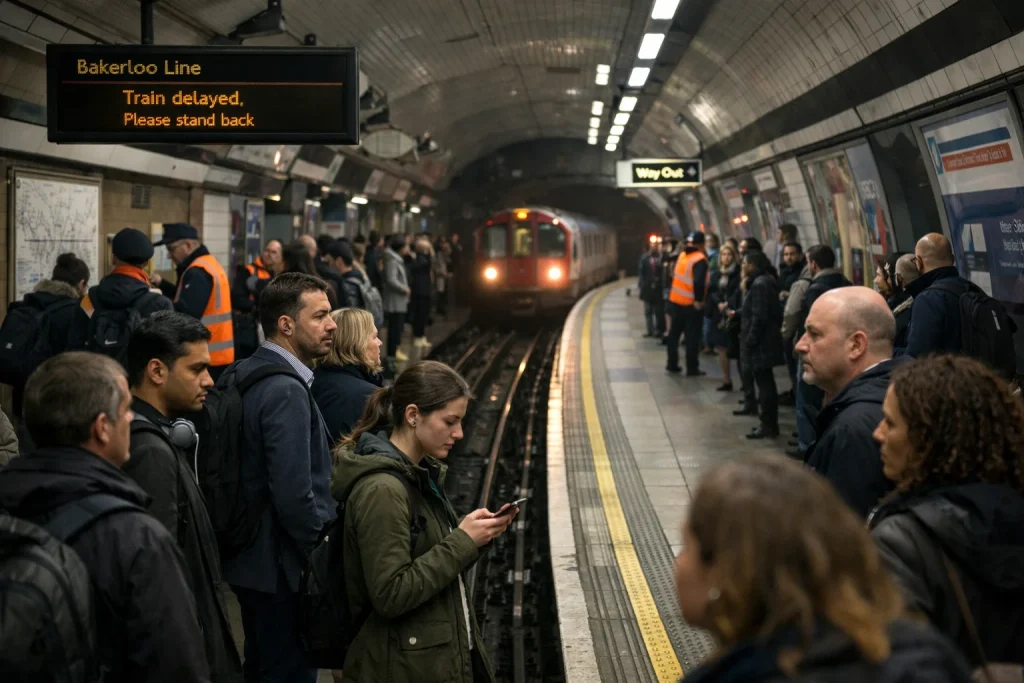
London Tube Strike: Official Status Update
March 2026 Travel Advisory
The planned Tube strikes from March 24 to March 27, 2026 have been officially suspended.
This suspension follows progress in negotiations between Transport for London (TfL) and the RMT union. However, the dispute remains ongoing and future strike dates have not been cancelled.
🚇 Current Status
March strikes suspended – services expected to run normally during 24–27 March.
📅 Future Outlook
Strike dates in April, May, and June remain scheduled pending further negotiations.
Passengers are advised to check TfL updates regularly, as the situation may change depending on ongoing negotiations.
Is the Tube Strike Cancelled Right Now?
The London Underground strike situation has seen a temporary resolution, with the planned strikes scheduled for 24–27 March 2026 now officially called off or suspended.
Commuters can expect normal Tube services during this period, providing short-term relief for those relying on London transport.
However, this does not mean the dispute has been fully resolved. The broader disagreement between Transport for London (TfL) and the Rail, Maritime and Transport (RMT) union is still ongoing, and further strike action remains a possibility if negotiations fail to reach a final agreement.
The decision to suspend the strikes follows recent progress in talks between both parties. While this development is a positive step, the situation remains fluid, and additional updates are expected as discussions continue.
Which Tube Strike Dates Have Been Called Off in March 2026?

The following strike dates, which were expected to cause significant disruption across the London Underground network, have now been officially suspended after progress in negotiations:
- Tuesday 24 March 2026 (from midday)
- Thursday 26 March 2026 (from midday)
With disruption originally expected to continue into Wednesday, 25 March and Friday, 27 March, many commuters had already started planning alternative travel arrangements.
These planned walkouts would have involved approximately 1,800 Tube drivers, potentially affecting multiple lines and leading to delays, reduced services, or temporary closures.
However, due to recent developments in talks between Transport for London (TfL) and the RMT union, this disruption has now been avoided.
Nick Dent, Director of Customer Operations for London Underground, confirmed the positive outcome:
“This is good news for London and we will continue to work constructively with the trade unions to avoid disruption and address concerns.”
For now, passengers can expect normal service during these March dates, although it remains important to stay updated.
Which Tube Strike Dates Are Still Scheduled to Go Ahead?
Although the March strikes have been suspended, several future strike dates are still planned and remain active. This is where confusion often arises; while some disruption has been avoided, the overall situation has not been fully resolved.
Upcoming strike dates you should be aware of:
- April 21–22, 2026
- April 23–24, 2026
- May 19–20, 2026
- May 21–22, 2026
- June 16 and June 18, 2026
These dates are part of a wider schedule of industrial action announced by the RMT union and could still lead to disruption if negotiations do not result in a final agreement.
Could These Future Strikes Still Be Cancelled?
Yes, there is still a realistic possibility that some or all of these future strikes could be called off. The suspension of the March strikes shows that negotiations are making progress, even if slowly.
However, it is important to understand that no final deal has been reached yet, and the dispute remains active.
RMT General Secretary Eddie Dempsey emphasised this point:
“Further talks will take place and the dispute remains live.”
This means that future strike action will largely depend on how discussions between TfL and the union evolve in the coming weeks.
Why Were Tube Drivers Planning to Strike in the First Place?

The planned strike action centres around a disagreement over proposed changes to working conditions, specifically the introduction of a compressed four-day working week for Tube drivers.
Under the proposal:
- Drivers would work fewer days per week
- Each working day would be longer
- Total weekly hours would be slightly reduced (from 36 to 35 hours)
- Paid meal breaks would be introduced
While this might sound beneficial at first glance, the proposal has raised concerns among union members.
The RMT believes that longer working days could lead to driver fatigue, which in turn may affect both safety and overall working conditions.
What is the Disagreement Between Rmt and London Underground?
This dispute is not simply about working fewer days per week. It reflects broader concerns about safety, fairness, and long-term working conditions within the London Underground system.
What TFL is Proposing?
Transport for London has introduced the idea of a four-day working week model, which includes:
- Slightly longer daily shifts
- More rest days each week
- No reduction in overall pay
- A voluntary trial, currently being tested on the Bakerloo line
TfL has suggested that this approach could modernise working practices and bring the Underground more in line with other parts of the UK rail network, where similar models are already used.
Why the RMT Union is Opposing It?
The RMT has raised several important concerns about the proposal:
- Longer shifts may lead to higher fatigue levels
- Potential risks to passenger safety
- Negative impact on work-life balance
- Concerns that a “voluntary” scheme could eventually become mandatory
A transport worker review shared during discussions highlights the practical concern:
“Longer shifts might sound efficient on paper, but when you’re responsible for passenger safety, fatigue is a real issue.”
This makes it clear that the disagreement goes beyond working hours , it is about ensuring that any changes do not compromise safety or wellbeing.
Why Was the Tube Strike Called Off for March?
The March strike action was suspended after both sides made progress during negotiations. While no final agreement has been reached, there were enough positive developments to pause immediate action.
According to reports, London Underground management made concessions that encouraged the RMT to return to the negotiating table.
Eddie Dempsey explained:
“We have forced management into a position where they are now willing to seriously engage with the issues our members want addressing.”
This indicates that the suspension is a strategic pause, not a full resolution.
What Does This Mean for Your Journey on the London Underground?
For most commuters and travellers, the immediate impact is reassuring. If you were planning to travel during the affected March dates, services are expected to run normally.
However, it’s still important to remain aware of future risks, as the overall dispute has not yet been fully resolved.
What Can You Expect Right Now?
- Normal service for 24–27 March
- No widespread disruption expected during that period
- Continued updates from TfL as negotiations progress
What Should You Watch Out for?
- Possible disruption on April, May, and June strike dates
- Changes depending on negotiation outcomes
- Increased passenger numbers on alternative services if strikes proceed
Real-life Example:
For example, a commuter travelling daily from Ealing Broadway to King’s Cross had already planned alternative arrangements for the March strike period, including adjusting work schedules and considering remote work.
However, once the strikes were suspended, they were able to return to their usual routine without any disruption.
At the same time, they are still keeping track of updates for April, as future strike dates remain scheduled. This reflects the current situation well, while things are stable for now, it is still sensible to stay prepared for possible changes ahead?
Is the Tube Strike Dispute Fully Resolved or Still Ongoing?

No, the dispute is not fully resolved. This is one of the most important points to understand. While headlines may suggest that strikes have been “called off,” the reality is more nuanced.
Here is a clear breakdown:
| Status Type | Current Situation |
| Confirmed | March 24–27 strikes suspended |
| Confirmed | April and May strikes still planned |
| Confirmed | New June dates announced |
| Ongoing | Negotiations between RMT and TfL |
| Not resolved | Final agreement on working conditions |
The overall situation remains active, and further updates are expected as talks continue.
How Can You Prepare if Future Tube Strikes Go Ahead?
If you regularly rely on the London Underground for work, appointments, or daily travel, it is sensible to stay prepared, especially with several strike dates still scheduled in the coming months.
While the March strikes have been suspended, the possibility of disruption later on means a little planning can make a big difference.
To reduce inconvenience and stay ahead of any changes, you can take the following practical steps:
- Check TfL updates regularly before travelling to stay informed about any last-minute changes or cancellations
- Allow extra time for your journey on potential strike days, as services may be reduced or busier than usual
- Consider alternative routes, such as buses, the DLR, London Overground, or the Elizabeth line, which may continue running
- Try to avoid peak travel times, when stations and services are likely to be more crowded
Being prepared doesn’t mean expecting disruption; it simply helps you stay flexible if plans change.
What is the Latest Confirmed Update on the Tube Strike Situation?
Here is a clear and up-to-date summary of the current situation, based on the latest confirmed information:
| Update Category | Details |
| March strikes | Suspended (24–27 March) |
| Reason | Progress in negotiations |
| Dispute status | Still ongoing |
| Future strikes | Planned for April, May, and June |
| Travel impact | Normal service for March dates |
This summary highlights the key facts you need to know. While immediate disruption has been avoided, the dispute itself continues, and future strike action remains a possibility.
Understanding this distinction helps you plan better, knowing that while things are stable now, the situation could still change depending on how negotiations progress
Final Thoughts
In summary, while the Tube strikes planned for March 24-27, 2026 have been suspended, the overall dispute between TfL and the RMT union is still ongoing.
This means your immediate travel plans are unlikely to be affected, but future strike dates in April, May, and June remain a possibility. Staying informed through official updates and planning ahead can help you avoid disruption.
For now, services are running normally, but keeping an eye on developments will ensure you are prepared for any changes in the weeks ahead.
FAQs
Will the London Underground run normally next week?
Yes, services are expected to run normally during the suspended March strike dates, but always check TfL updates before travelling.
What does it mean when a strike is suspended?
A suspended strike is temporarily paused, not permanently cancelled. It may return if negotiations fail.
Who is organising the Tube strike?
The strike action is being organised by the RMT union, representing London Underground workers.
Are all Tube lines affected during a strike?
Not always, but disruption can spread across multiple lines, depending on how many staff participate.
Why are Tube drivers concerned about longer shifts?
Longer shifts may lead to fatigue, which could affect safety and overall working conditions.
Can future Tube strikes still be cancelled?
Yes, if negotiations between TfL and RMT are successful, future strikes could be called off.
Where can you check official updates about Tube strikes?
You can check the Transport for London (TfL) website or reliable UK news sources for the latest updates.