
| Item Type | Expected Saturday Arrival? | Recommended Action |
| First-Class Letters | Yes | Use for urgent birthday cards/forms. |
| Second-Class Letters | No | Post 2 days earlier than usual. |
| Online Shopping (Tracked) | Yes | No change to weekend delivery. |
| Government/Council Mail | No (if 2nd Class) | Check online portals for updates. |
Why Is Royal Mail Scrapping Saturday Second-Class Letter Deliveries?
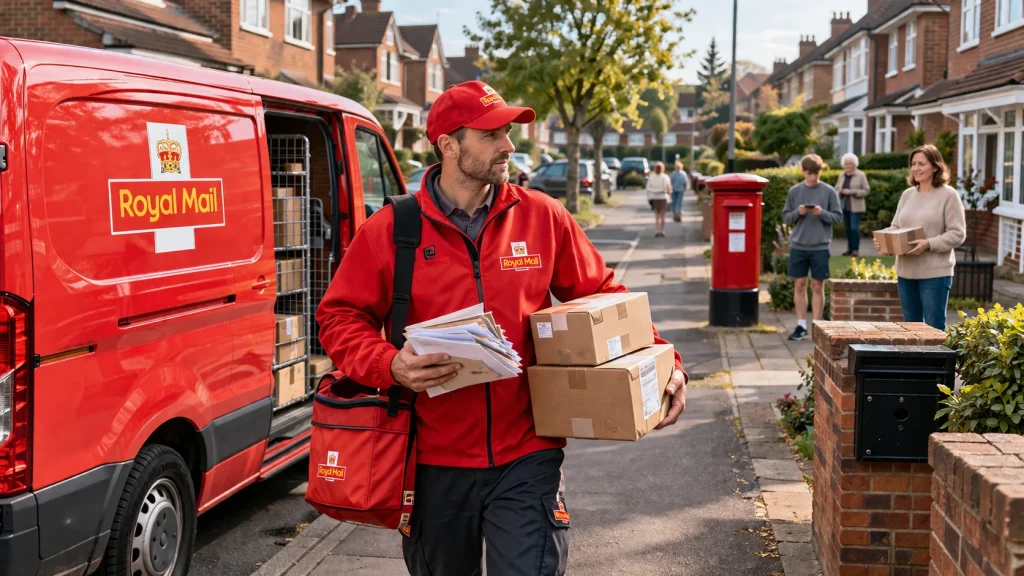
Royal Mail is removing Saturday second-class letter deliveries because the number of traditional letters being sent in the UK continues to fall. More people now rely on email, text messages and online communication instead of posting letters. As a result, Royal Mail says the current six-day delivery model is no longer financially sustainable.
Second-class post is particularly affected because it is slower and cheaper than first-class mail. Royal Mail believes it can reduce costs and improve efficiency by delivering these letters only during weekdays.
According to the company, the existing service places pressure on staff, transport networks and delivery offices while producing less revenue than in previous years.
Royal Mail also argues that most second-class letters are not urgent. Bills, official forms and personal letters are increasingly handled online, meaning fewer households rely on Saturday post for essential communication.
| Year | Estimated Letters Sent in UK | Change Compared to Previous Decade |
| 2004 | 20 billion | – |
| 2014 | 14 billion | Down by 30% |
| 2024 | 7 billion | Down by 50% |
The company says reducing Saturday second-class deliveries will help it continue offering the Universal Service Obligation, which legally requires Royal Mail to deliver letters and parcels across the UK.
David Gold, Postal Industry Analyst: “Royal Mail has reached the point where maintaining a six-day second-class service is costing far more than it generates. The decline in letter volumes has made some form of reform almost unavoidable.”
What Changes Will Be Introduced to Royal Mail’s Saturday Service in 2026?
The biggest change is that second-class letters will no longer be delivered on Saturdays. Instead, those items will only be delivered between Monday and Friday. This means households and businesses sending second-class post at the end of the week may experience a longer wait before their mail arrives.
However, Royal Mail is not removing all Saturday services. The company has made clear that first-class letters, special delivery items and most parcels are still expected to be delivered on Saturdays. This is intended to protect services that customers still rely on for urgent or time-sensitive items.
Weekday-Only Deliveries for Second-Class Letters
Second-class letters posted on a Friday may no longer arrive until the following Monday or Tuesday once the changes take effect. This could be especially noticeable during bank holidays or busy periods such as Christmas.
Many people use second-class post because it is cheaper, particularly for routine correspondence. While the lower price will remain attractive, the delivery timeframe is likely to become less flexible.
Businesses that still send invoices, appointment letters or reminders through second-class post may need to adjust their schedules. Sending letters earlier in the week could become more important in order to avoid delays.
Continued Saturday Deliveries for First-Class Mail and Parcels
Royal Mail plans to continue delivering first-class letters and parcels on Saturdays because these services remain in high demand. Parcel volumes have increased significantly due to online shopping, making weekend parcel delivery more important than ever.
For many households, this means there will still be a Saturday visit from the postie, especially if they are waiting for an online order or an urgent letter. The main difference is that second-class mail will no longer be included.
The table below shows how the new service could work:
| Type of Mail | Current Saturday Delivery | New 2026 Saturday Delivery |
| First-Class Letters | Yes | Yes |
| Second-Class Letters | Yes | No |
| Parcels | Yes | Yes |
| Special Delivery | Yes | Yes |
| Signed For Items | Yes | Usually Yes |
How Will the New Royal Mail Delivery System Be Rolled Out Across the UK?
Royal Mail will not introduce the new system across the entire country immediately. Instead, it plans to roll out the changes in stages. The first stage will involve around 240 delivery offices. If that initial phase is successful, the company will then expand the new system to all 1,200 delivery offices across the UK.
This gradual rollout is designed to allow Royal Mail to monitor any problems before introducing the changes nationwide. Delivery offices will have time to adjust staff rotas, transport arrangements and sorting schedules.
Initial Rollout Across 240 Delivery Offices
The first group of delivery offices is expected to begin operating under the new system during the middle of 2026. These locations are likely to be spread across different parts of the UK to test how the changes work in urban, rural and suburban areas.
Royal Mail will use this stage to measure:
- Delivery performance
- Customer complaints
- Staff workload
- Financial savings
- Reliability of parcel deliveries
If serious problems occur, Royal Mail may delay the full rollout or make further adjustments.
Nationwide Expansion to All 1,200 Delivery Offices
After the trial phase, Royal Mail expects to expand the changes across the country by the end of 2026. At that point, second-class Saturday deliveries would disappear from every Royal Mail delivery office in the UK.
For households, the change may feel relatively small because first-class letters and parcels will still arrive. However, businesses and organisations that rely on cheaper postal services may notice a more significant impact.
Sarah Jenkins, Logistics Consultant: “The staged rollout is sensible because it gives Royal Mail the opportunity to test whether fewer Saturday deliveries create delays elsewhere in the network. Businesses will be watching closely.”
What Agreement Has Royal Mail Reached With the CWU?
The decision to scrap Saturday second-class deliveries is part of a wider agreement between Royal Mail and the Communication Workers Union. In return for accepting the changes, workers are expected to receive improved pay and conditions.
The deal includes:
- A 4.75% pay rise for Royal Mail staff
- A further 3% increase for employees on older contracts
- Better terms for workers who joined after December 2022
- More opportunities for part-time employees to increase their hours
The agreement is important because Royal Mail has faced years of disputes, strikes and tension with workers. The company hopes the new arrangement will reduce industrial action and improve stability.
| Worker Group | Change Under New Agreement |
| All Staff | 4.75% pay rise |
| Legacy Contract Employees | Additional 3% increase |
| Staff Hired After December 2022 | Improved contract terms |
| Part-Time Workers | Opportunity for more hours |
The CWU believes the agreement is a better outcome than allowing Royal Mail to make changes without consulting employees. Although some workers remain concerned about losing part of the Saturday service, others see the deal as a reasonable compromise.
How Will the New Contract Changes Affect Royal Mail Workers?
The changes to Saturday deliveries are linked closely to changes in staff contracts. Royal Mail says it wants to create a simpler and more consistent working structure.
One of the main changes is the introduction of standard 37-hour working weeks for new employees. This is designed to create clearer expectations and more stable schedules.
Introduction of Standard 37-Hour Working Weeks
New starters at Royal Mail will be offered contracts based on a standard 37-hour week. This is intended to replace the more varied and sometimes unpredictable arrangements that have existed in recent years.
For some employees, the new contract may provide greater security and consistency. Having a standard number of hours could make it easier to plan shifts, family commitments and earnings.
However, there are also concerns that the changes could reduce flexibility for workers who preferred shorter or more varied schedules. Some employees may also need to work more weekday hours to make up for the reduced Saturday workload.
Increased Hours for Part-Time Postal Workers
Around 6,000 part-time postal workers will reportedly be offered the chance to increase their weekly hours. This may help Royal Mail cover the busier weekday schedule once second-class Saturday deliveries end.
For many part-time employees, this could be a positive change. Some workers have wanted additional hours for several years, particularly as the cost of living has increased.
At the same time, not every worker will want more hours. Those with caring responsibilities or other jobs may find the change less attractive. Royal Mail has said the extra hours will be optional rather than compulsory.
Martin Reeves, Employment Adviser: “For part-time postal workers, the option to increase hours could provide welcome financial support. The challenge will be making sure those extra hours remain flexible.”
Will Royal Mail Still Deliver Letters and Parcels on Saturdays?
Yes, Royal Mail is still expected to deliver many items on Saturdays. The key difference is that second-class letters will no longer be included. Most first-class letters, parcels and tracked items should continue to arrive as usual.
This means the typical Saturday delivery round will probably become smaller and more focused on urgent mail and online shopping parcels. Royal Mail believes this will make the service more efficient while still meeting customer demand.
People are most likely to notice the change if they regularly receive second-class letters such as:
- Bank statements
- Appointment letters
- Council correspondence
- Subscription renewals
- Utility bills
For customers who need something delivered quickly, Royal Mail is likely to encourage greater use of first-class or tracked services.
Why Does Royal Mail Believe These Changes Are Necessary?
The Regulatory Crisis: Why the Status Quo Failed The move to scrap Saturday second-class deliveries isn’t just a corporate choice; it’s a fight for the Universal Service Obligation (USO). For years, Royal Mail has argued that delivering to 32 million addresses six days a week is a financial drain in a digital-first economy.
By removing the least urgent service, second-class letters on Saturdays, Royal Mail aims to protect the “one price goes anywhere” rule.
Without this reform, analysts like David Gold note that the cost of maintaining the entire network would have likely led to even more drastic cuts or significantly higher stamp prices.
There are several reasons Royal Mail says the changes are necessary:
- Fewer letters are being posted each year
- Delivery costs are increasing
- Staff shortages have become more common
- Parcel demand is rising quickly
- Weekend operations are expensive
Royal Mail also says these reforms could make the service more reliable overall. By reducing pressure on Saturdays, the company hopes it can improve weekday performance and focus more resources on first-class mail and parcels.
What Does This Mean for UK Households and Businesses?
For most households, the changes are unlikely to have a major impact. Many people receive very little second-class mail on Saturdays, and some may not notice the difference at all.
However, there are still certain groups who may be affected more than others. Elderly people, rural communities and those without regular internet access may still rely on traditional post.
Businesses are more likely to notice the change. Companies that use second-class post to send invoices, statements or appointment reminders may need to adapt their mailing schedules.
| Group | Possible Impact |
| Households | Fewer second-class letters on Saturdays |
| Small Businesses | Need to post items earlier |
| Online Retailers | Little change because parcels still arrive |
| Elderly Customers | May rely more on weekday deliveries |
| Rural Areas | Slightly longer waiting times |
Businesses may need to:
- Send second-class post earlier in the week
- Use first-class delivery for urgent documents
- Rely more on digital communication
- Adjust customer expectations
For many organisations, these changes will be manageable, but they could still require planning.
Could Royal Mail Scrap More Weekend Services in the Future?
At the moment, Royal Mail has only confirmed plans to remove Saturday second-class letter deliveries. There are no official plans to stop first-class Saturday deliveries or parcel deliveries.
However, some people believe this could be the first step towards further reductions in the future. If letter volumes continue to fall, Royal Mail may eventually seek permission to reduce other parts of the Universal Service Obligation.
Any future changes would probably require approval from Ofcom and the UK Government. There would also likely be strong opposition from customers, businesses and postal workers if Royal Mail attempted to remove Saturday deliveries entirely.
For now, the company appears focused on keeping its most popular services running while reducing costs in less essential areas.
How Are Customers and Postal Workers Responding to the Royal Mail Saturday Service Changes?
Reaction to the changes has been mixed. Some customers understand why Royal Mail believes reform is necessary, especially because most communication now happens online. Others worry that the changes could make postal services less reliable.
Postal workers also have different views. Some welcome the pay rise and improved contracts, while others are concerned that reducing Saturday deliveries could eventually lead to fewer jobs.
The main concerns raised by customers include:
- Longer waiting times for second-class mail
- Less convenient weekend deliveries
- Reduced service in rural areas
Meanwhile, supporters of the changes believe they could:
- Improve Royal Mail’s financial position
- Reduce pressure on staff
- Help protect Saturday parcel deliveries
- Prevent further strikes and disruption
The response may depend largely on how smoothly the changes are introduced during the first rollout phase.
What Are the Main Benefits and Drawbacks of the New Royal Mail Saturday Service?
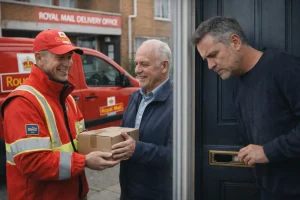
The changes bring both advantages and disadvantages. Royal Mail believes the benefits outweigh the drawbacks, but some customers are likely to disagree.
| Pros | Cons |
| Lower operating costs for Royal Mail | Longer wait for second-class post |
| Better focus on parcel deliveries | Less convenient for some households |
| Improved pay and conditions for workers | Businesses may need to change posting schedules |
| More efficient use of staff and vehicles | Rural customers could face greater delays |
| Greater financial sustainability | Concerns about future cuts to postal services |
For Royal Mail, the biggest advantage is that the new system may help protect the long-term future of the postal service. For customers, the main disadvantage is losing a familiar Saturday service that has existed for decades.
Proactive Planning: How to Manage the 5-Day Second-Class Week
To avoid the “weekend gap” once the changes take effect in December 2026, consider these practical adjustments:
- The Wednesday Deadline: If you need a second-class letter to arrive by Monday, aim to post it by Wednesday afternoon. Items posted on Friday may not arrive until the following Tuesday.
- Critical Documents: For bank statements or appointment letters, check if your provider offers a digital alternative or switches to first-class for time-sensitive notifications.
- Business Optimization: Smaller firms should audit their “outbound” schedules. Shifting billing cycles to earlier in the week can prevent cash-flow delays caused by the missing Saturday delivery.
Conclusion
Royal Mail’s plan to scrap Saturday second-class letter deliveries represents a major shift in how the UK postal service operates.
From December 2026, second-class post is expected to move to a weekday-only system, while first-class mail and parcels should still be delivered on Saturdays. The change is designed to reduce costs, modernise the network and protect Royal Mail’s long-term future.
At the same time, the agreement includes better pay and conditions for staff. Although some households and businesses may need time to adjust, Royal Mail believes the new approach will create a more reliable and financially sustainable service.
Frequently Asked Questions
Will first-class letters still be delivered on Saturdays in 2026?
Yes. Royal Mail has stated that first-class letters are still expected to be delivered on Saturdays even after second-class Saturday deliveries are removed.
Are Royal Mail parcels affected by the Saturday service changes?
No. Parcel deliveries are still expected to continue on Saturdays because online shopping has made weekend parcel demand much higher.
When will the new second-class delivery rules begin?
Royal Mail expects to begin introducing the changes during 2026, with full nationwide rollout likely by December.
Why is Royal Mail changing its Saturday delivery service?
Royal Mail says the changes are necessary because fewer people are sending letters and the current six-day service is becoming too expensive to maintain.
Will businesses notice delays with second-class post?
Possibly. Businesses that send second-class letters at the end of the week may need to post items earlier to avoid delays.
Are Royal Mail employees receiving a pay rise under the new agreement?
Yes. The agreement includes a 4.75% pay rise for staff, with some workers receiving an additional increase.
Could Royal Mail eventually stop all Saturday letter deliveries?
There are no current plans to do this. However, if letter volumes continue to decline, Royal Mail could consider further changes in the future.