

What Is the Labour Driving Law Consultation 2026 About?

The Labour Driving Law Consultation 2026 is part of the Government’s wider Road Safety Strategy aimed at reducing dangerous driving behaviour and modernising traffic laws in the UK.
The consultation was introduced following increasing concerns surrounding road fatalities, uninsured driving, drink-driving incidents, and the use of illegal number plates.
The consultation is driven by a ‘lost decade’ of road safety progress. While the UK remains one of the safest countries in Europe, official 2024 data shows 1,602 fatalities and 27,865 serious injuries on Great Britain’s roads.
The government’s new ‘Safe System’ approach acknowledges that while human error is inevitable, death is not aiming for a 65% reduction in road deaths by 2035
The Department for Transport launched the consultation to gather public opinions on how current motoring penalties should evolve to reflect modern road safety expectations. The review includes more than 40 proposals affecting drivers across England and Wales.
The proposed reforms are intended to close gaps in existing traffic legislation while introducing stronger deterrents against reckless driving practices. Government officials believe the current penalties no longer adequately reflect the seriousness of certain offences.
One of the central goals of the consultation is to improve accountability among motorists while supporting safer roads for pedestrians, cyclists, and other road users.
Why Is the UK Government Reviewing Driving Laws in 2026?
The UK Government is reviewing driving laws due to rising concerns over dangerous road behaviour and increasing pressure to modernise outdated legislation. Recent road safety statistics have highlighted the need for stronger enforcement measures and clearer penalties for serious driving offences.
Reports showed that more than 1,600 people lost their lives on UK roads during 2024, while thousands more suffered serious injuries.
These figures prompted renewed discussions around how driving offences are punished and whether current laws provide enough deterrence.
The Government also believes technological and behavioural changes in motoring require updated legal frameworks.
Issues such as fake number plates, uninsured driving, and repeat offences have become increasingly difficult for authorities to manage under current laws.
Transport policy experts argue that introducing stricter penalties could encourage safer driving habits and reduce repeat offences across the country.
This move toward a ‘Safe System’ shifts the focus from merely punishing drivers to designing a legal framework that proactively prevents 65% of road deaths by 2035.
By closing gaps in existing legislation, the government aims to ensure that penalties finally reflect the modern reality of UK road risks
Dr Emily Carter, UK Road Safety Consultant, said, “Many of the current driving penalties were introduced years ago and no longer reflect today’s road safety challenges. The consultation shows an effort to align legal consequences with modern driving risks.”
How Could Drink-Driving Limits Change Under Labour’s New Consultation?
One of the most discussed proposals within the consultation involves lowering the legal drink-driving limit in England and Wales. Currently, drivers are permitted up to 80mg of alcohol per 100ml of blood, while Scotland already operates under a stricter 50mg limit.
Labour’s consultation is exploring whether England and Wales should adopt Scotland’s lower threshold in an attempt to reduce alcohol-related road accidents.
The proposal has gained support from road safety groups who believe lower limits would discourage motorists from taking risks after consuming alcohol.
Proposed alcohol limit reductions in England and Wales
If introduced, the lower drink-driving threshold would significantly affect social and professional drivers. Many motorists who currently believe they are within the legal limit after one or two drinks may unknowingly exceed the proposed limit.
The Government is also considering educational campaigns alongside the legal changes to improve public awareness about alcohol consumption and driving safety.
Critics argue that reducing the limit could create confusion for occasional drivers, particularly around how much alcohol is considered safe before driving.
Potential restrictions for newly qualified drivers
The consultation also considers introducing stricter alcohol restrictions for newly qualified drivers during their first years on the road.
Similar policies already exist in several countries where inexperienced motorists are expected to maintain near-zero alcohol levels.
Supporters believe younger drivers are statistically more vulnerable to collisions caused by impaired judgement and inexperience.
| Driver Category | Current Alcohol Limit | Proposed Consideration |
| England and Wales drivers | 80mg | Reduction to 50mg |
| Scottish drivers | 50mg | No change |
| Newly qualified drivers | Standard limit | Lower or zero-tolerance limit |
James Holloway, Senior Motoring Solicitor, explained, “New drivers already face higher insurance costs and stricter monitoring. Lower alcohol thresholds could become another important measure aimed at reducing collision risks among inexperienced motorists.”
Will Drug-Driving Rules Become Stricter in the UK?
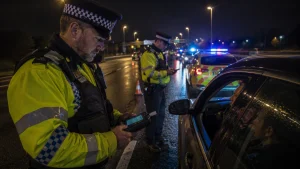
Drug-driving laws are also under review as part of Labour’s broader road safety plans. Authorities are considering tougher roadside enforcement powers and faster licence suspension procedures for motorists suspected of driving under the influence of drugs.
Current legislation already allows police to conduct roadside drug tests, but the consultation seeks to strengthen penalties and improve the efficiency of investigations.
One proposal includes allowing police to suspend licences before court appearances in serious cases involving suspected drink or drug-driving offences.
Supporters argue this approach could prevent dangerous drivers from remaining on the roads while awaiting legal proceedings. However, civil liberty groups have raised concerns regarding fairness and due process before convictions are secured.
The Government believes stronger measures could help address increasing public concerns surrounding impaired driving and repeat offenders.
Could Drivers Face Immediate Licence Suspensions Before Court Hearings?
One of the most controversial proposals involves giving authorities powers to suspend driving licences immediately after certain serious offences are detected.
Under current rules, many motorists continue driving until their court hearings take place, even after being arrested for dangerous offences such as drink-driving or drug-driving.
The proposed reforms would allow temporary suspensions in specific circumstances where public safety may be at risk.
Supporters believe the policy would act as a preventative measure, protecting other road users while investigations continue.
Opponents argue that immediate suspensions before legal convictions could unfairly affect employment, family responsibilities, and personal mobility for some motorists.
The Government is expected to carefully review consultation responses before making any final decisions on these powers.
How May Seatbelt Offences Change Under the New Road Safety Strategy?
Seatbelt enforcement is another key focus area within the consultation. Current penalties for not wearing a seatbelt usually involve a £100 fine, but Labour’s proposals suggest introducing penalty points alongside financial punishments.
Authorities believe stronger consequences could improve compliance rates and reduce preventable injuries during road collisions.
Penalty point proposals for seatbelt violations
Under the proposed changes, motorists caught without seatbelts could receive three penalty points on their licence in addition to financial penalties.
Road safety organisations argue that adding licence points would make drivers take seatbelt laws more seriously.
The Government believes the current system lacks sufficient deterrence, especially for repeat offenders.
Increased fines and prosecution risks
In more serious cases, drivers may also face increased fines if prosecuted through court proceedings. Penalties could rise significantly beyond the standard fixed fine currently applied.
| Offence | Current Penalty | Proposed Changes |
| Not wearing seatbelt | £100 fine | Fine plus penalty points |
| Court prosecution | Up to £500 | Potential increase |
| Repeat offences | Limited escalation | Stricter enforcement |
The consultation also explores whether drivers should carry greater responsibility for ensuring passengers wear seatbelts correctly.
What Are the Proposed Changes for Uninsured Drivers?
Driving without insurance remains one of the most common motoring offences in the UK. Labour’s consultation suggests introducing tougher financial penalties and increasing licence points for uninsured motorists.
Currently, drivers caught without insurance often receive six penalty points and a £300 fixed penalty notice. However, officials believe these punishments may not sufficiently discourage offenders.
The Government is considering increasing fines to levels that exceed the average annual cost of insurance policies. The aim is to remove any financial incentive for motorists to avoid obtaining legal cover.
Stricter measures could also help reduce fraudulent claims and improve protection for accident victims.
| Insurance Offence | Current Punishment | Possible Future Penalty |
| Driving uninsured | £300 fine | Higher financial penalties |
| Penalty points | Six points | Increased points considered |
| Vehicle seizure | Existing powers | Expanded enforcement |
Rachel Bennett, Traffic Law Adviser, noted, “Uninsured driving affects every road user because it increases costs and legal complications after accidents. Tougher penalties could encourage greater compliance among repeat offenders.”
Why Is Labour Cracking Down on Ghost Number Plates?
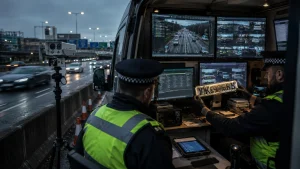
Illegal or “ghost” number plates have become a growing concern across the UK. These plates are designed to avoid detection by speed cameras, traffic systems, and automatic number plate recognition technology.
The Government believes these plates are increasingly linked to uninsured driving, criminal activity, and unpaid road charges.
Labour’s consultation proposes stronger enforcement powers to help authorities tackle the issue more effectively.
Officials are considering allowing the DVLA to seize vehicles suspected of using illegal registration plates. The reforms may also involve stricter manufacturing and distribution controls to prevent fake plates entering circulation.
Road safety experts argue that legitimate motorists are unfairly affected when offenders avoid accountability through illegal vehicle identification methods.
Could the DVLA Receive New Enforcement Powers in 2026?
The consultation proposes expanding the DVLA’s authority to help enforce new motoring laws more effectively. These powers may include increased authority to seize vehicles involved in serious registration or insurance offences.
Supporters believe additional enforcement capabilities would improve efficiency and reduce delays when dealing with dangerous or illegal vehicles.
The proposed powers may also support police forces dealing with repeat offenders and untraceable vehicles.
Critics, however, believe increased enforcement powers should be carefully monitored to avoid administrative misuse or wrongful vehicle seizures.
The Government has stated that any future powers would include legal safeguards and appeal procedures for affected motorists.
How Will the Labour Road Safety Strategy Impact Everyday Drivers?
For everyday motorists, the proposed reforms could lead to stricter legal responsibilities and greater awareness of road safety obligations.
Drivers may need to pay closer attention to alcohol consumption, vehicle documentation, insurance compliance, and passenger safety rules.
The reforms could also increase financial risks associated with motoring offences, especially for repeat offenders.
At the same time, supporters argue safer roads could reduce accident rates, lower insurance disputes, and improve public confidence in road law enforcement.
Many drivers are expected to monitor the consultation outcomes closely as the Government decides which proposals move forward into legislation.
What Are the Public Reactions to the Labour Driving Law Consultation?
Public reactions to the consultation have been mixed. Road safety organisations generally support stronger penalties, particularly for dangerous driving and uninsured motorists.
Many campaign groups believe current penalties fail to reflect the devastating consequences caused by reckless behaviour on UK roads.
However, some motorists have raised concerns about overregulation and the possibility of excessive punishment for minor offences.
Debates have also emerged regarding the fairness of immediate licence suspensions and stricter alcohol limits for drivers.
The consultation process has allowed members of the public, transport experts, and motoring organisations to share their views before any final decisions are made.
How Should UK Drivers Prepare for Potential Driving Law Changes in 2026?

UK motorists should begin preparing for possible legal changes by reviewing their current driving habits and ensuring full compliance with existing road laws.
Drivers should regularly check their insurance validity, MOT status, and vehicle documentation to avoid future enforcement complications.
Motorists may also benefit from staying informed about official Government announcements regarding consultation outcomes and future legislative developments.
For professional drivers and fleet operators, the proposed reforms could require updated compliance procedures and additional staff training.
Maintaining responsible driving behaviour is likely to become increasingly important as authorities move towards stricter road safety enforcement measures.
What Could Happen Next After the Government Consultation Ends?
Following the conclusion of the consultation, Government officials will review responses from the public, transport organisations, legal professionals, and road safety experts.
The Department for Transport will then decide which proposals should move forward into formal legislation.
Some reforms may require parliamentary approval before becoming law, while others could be introduced through updated enforcement policies and regulatory changes.
Implementation timelines are expected to vary depending on the complexity of each proposal and the level of political support received.
Motorists across the UK are likely to see further announcements throughout 2026 as Labour finalises its long-term road safety strategy.
Conclusion
The Labour Driving Law Consultation 2026 represents a major shift in the UK’s approach to road safety and motoring enforcement. From stricter drink-driving limits to tougher penalties for uninsured motorists and illegal number plates, the proposed reforms aim to modernise outdated traffic laws and improve accountability on UK roads.
While some drivers may view the changes as restrictive, supporters argue they are necessary to reduce dangerous driving behaviour and improve public safety.
As the Government reviews consultation responses, millions of motorists across England and Wales will be watching closely to see how these proposed laws could reshape driving responsibilities in the years ahead.
FAQs
What is the Labour driving law consultation 2026?
The Labour driving law consultation 2026 is a Government review of road safety laws and driving penalties across England and Wales. It focuses on improving enforcement and introducing stricter punishments for dangerous driving offences.
When will the new UK driving laws come into effect?
The proposed reforms are still under consultation and review. Some changes may be introduced during 2026 or later, depending on parliamentary approval and Government decisions.
Could drink-driving limits change across England and Wales?
Yes, the Government is considering lowering drink-driving limits to match Scotland’s stricter alcohol threshold. This would significantly affect legal alcohol allowances for motorists.
Will seatbelt offences lead to penalty points?
The consultation proposes adding penalty points for seatbelt offences alongside financial fines. The aim is to increase compliance and improve road safety standards.
What are ghost number plates?
Ghost number plates are illegal vehicle registration plates designed to avoid detection by cameras and traffic systems. Authorities believe they are increasingly linked to criminal and uninsured driving activity.
Can police seize vehicles under the proposed reforms?
Yes, the consultation includes proposals allowing stronger enforcement powers for police and the DVLA, including the seizure of vehicles involved in serious offences.
How will uninsured driving penalties change in the UK?
Labour is considering increasing fines and potentially adding stricter penalty points for uninsured motorists. The goal is to make driving without insurance financially unappealing.
Why is the Government introducing stricter road safety laws?
The Government believes current driving penalties no longer reflect the seriousness of dangerous road behaviour. Rising accident figures and public safety concerns have driven calls for stronger enforcement measures.