
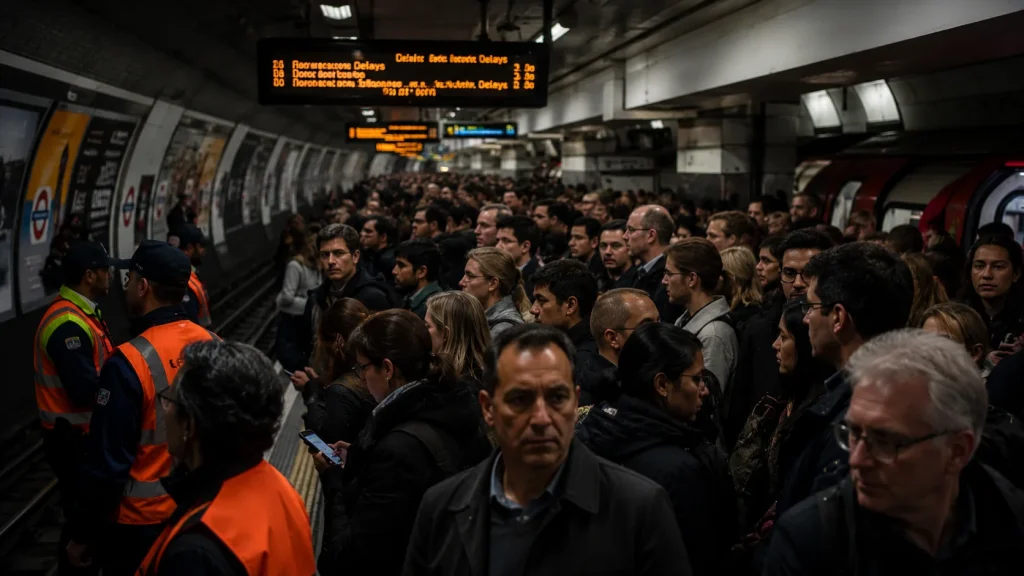
Status Update: As of 11 May 2026, all scheduled strike action for May and June is set to proceed. Negotiations between TfL and the RMT union are ongoing, but no cancellation has been announced.
Last Updated: 11 May 2026, 12:00 PM.
What Are the London TfL Train Strikes Happening in May and June 2026?
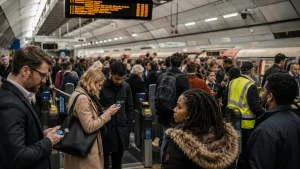
The TfL train strikes planned for 2026 are part of an ongoing industrial dispute involving the RMT union and Transport for London.
The strike action mainly affects London Underground train drivers and operational staff, creating widespread disruption across the Tube network.
The strikes are planned as 24-hour walkouts beginning at midday and ending at 11:59am the following day. These timings are expected to affect both evening commuters and the following morning rush hour, which could significantly impact travel across central and Greater London.
Passengers should also expect knock-on disruption after the strikes officially end. In previous London Underground strikes, normal service levels did not fully return until late afternoon or evening because trains and staff needed to be repositioned across the network.
The strike action comes at a time when London’s public transport demand continues to rise following steady commuter growth throughout 2025 and early 2026.
Why Are RMT Tube Drivers Taking Strike Action in London?
The current dispute between TfL and the RMT union centres around proposed changes to working arrangements for Tube drivers.
Union representatives argue that the proposals could negatively affect staff work-life balance, shift flexibility and long-term operational stability.
Dispute Over Proposed Working Pattern Changes
According to reports surrounding the negotiations, TfL has explored changes linked to a four-day working structure and updated rostering systems.
While some transport officials believe the changes could modernise scheduling and improve efficiency, union members have raised concerns about the practical impact on employees.
Drivers and station staff are particularly worried about how altered shift rotations may increase pressure during peak operational periods.
Concerns Around the Four-Day Working Week Proposal
The proposed four-day working week model has become one of the biggest talking points in the dispute. Although similar systems have worked in other industries, union leaders argue that the London Underground operates under very different conditions due to passenger volume and shift intensity.
Richard Holden, Transport Employment Analyst: “The issue is not simply about reducing days worked. Underground staff are concerned about how compressed shifts could affect fatigue, scheduling reliability and long-term workforce stability.”
The disagreement has resulted in further strike escalation after earlier negotiations failed to produce a final agreement between both sides.
Which Dates Will the TfL and London Underground Strikes Take Place?
Several strike dates have already been confirmed for May and June 2026, with additional disruption possible if negotiations continue without resolution.
May 2026 Strike Schedule
| Strike Period | Start Time | End Time | Expected Impact |
| 19–20 May 2026 | Tuesday 12:00pm | Wednesday 11:59am | Severe disruption |
| 21–22 May 2026 | Thursday 12:00pm | Friday 11:59am | Major Tube delays |
June 2026 Strike Schedule
| Strike Period | Start Time | End Time | Expected Impact |
| 16–17 June 2026 | Tuesday 12:00pm | Wednesday 11:59am | Severe disruption |
| 18–19 June 2026 | Thursday 12:00pm | Friday 11:59am | Reduced Underground services |
Passengers travelling during these periods are advised to prepare for station closures, limited train frequency and overcrowding on alternative transport services.
The midday start times mean morning travel may initially operate normally before disruption intensifies throughout the afternoon and evening.
Which London Underground Lines Could Be Affected by the TfL Strikes?
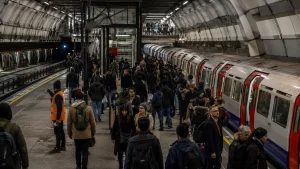
Most London Underground lines could face disruption during the strike periods. Although TfL may attempt to operate limited services on certain routes, several lines may either run with significantly reduced frequency or temporarily close altogether.
Historically, strike action has heavily affected major commuter lines, including:
- Central line
- Northern line
- Victoria line
- Piccadilly line
- Jubilee line
- Bakerloo line
Some smaller sections of the network may continue operating depending on staff availability and operational coordination.
The exact level of disruption often depends on how many drivers participate in the strike and whether contingency staff can support limited operations.
Impact on Major London Interchanges
While the entire Tube network will be impacted, the following major stations are expected to face the most significant overcrowding and potential temporary closures:
- King’s Cross St. Pancras: High risk of platform congestion due to National Rail transfers.
- Waterloo & Victoria: Expected to see heavy footfall as commuters switch to bus and National Rail services.
- Liverpool Street: Likely to remain very busy as a primary connection for the Elizabeth line.
- London Bridge: Potential for entrance-only restrictions during peak evening rush hours.
Passengers travelling to airports, business districts and central London tourist areas may face the greatest disruption due to the heavy reliance on Underground connections.
How Severe Will the Tube Disruption Be Across London?
The impact of the TfL train strikes is expected to be significant across London, particularly during peak commuting hours. TfL has already warned passengers to expect severe delays, extended waiting times and major overcrowding at stations.
Expected Delays and Station Closures
Several stations may temporarily close to control crowding and maintain passenger safety. During previous strikes, some Underground stations became inaccessible due to congestion on platforms and entrances.
Commuters travelling through major interchanges such as King’s Cross, Liverpool Street, Waterloo and Victoria may experience the longest delays.
Road traffic congestion is also likely to increase as more passengers switch to buses, taxis and private vehicles.
Knock-On Effects After Strike Days End
Even once strike action officially concludes, transport disruption can continue for several hours afterwards. Drivers, trains and operational staff need to return to scheduled positions before services can stabilise fully.
Sarah Bennett, London Transport Consultant: “Many passengers assume Tube services return immediately after a strike ends, but operational recovery across London Underground usually takes most of the afternoon.”
This delayed recovery period often catches commuters off guard, especially those travelling during lunchtime and evening periods following strike days.
Are the TfL Train Strikes Definitely Going Ahead?
As of 11 May 2026, the TfL train strikes remain officially scheduled to proceed. Although negotiations between TfL and the RMT union are still ongoing, no formal agreement has yet been announced.
Transport disputes can occasionally be resolved shortly before planned strike dates, meaning cancellations remain possible if last-minute discussions succeed. However, commuters are currently being advised to plan as though the strikes will happen.
TfL has continued publishing travel guidance and disruption warnings through its official communication channels, indicating that operational preparations are already underway.
Passengers should continue monitoring real-time updates in the days leading up to the strike periods, as transport conditions can change quickly depending on negotiations and staffing levels.
Which TfL Services Will Continue Running During the Tube Strikes?
While the London Underground will experience the greatest disruption, several TfL transport services are expected to continue operating during the strike periods.
Elizabeth Line and London Overground Services
The Elizabeth line is expected to remain operational throughout the strike action because it operates separately from the affected Underground driver groups.
London Overground services are also likely to continue running, although increased passenger demand could lead to overcrowding and delays.
These services may become the primary alternative routes for commuters attempting to avoid disrupted Tube lines.
DLR, Tram and Bus Service Updates
The Docklands Light Railway and London Trams are expected to run normally, though services may become busier than usual.
Several bus routes will continue operating, including routes frequently used as alternatives during Tube disruption periods.
| Alternative Service | Status | Demand | Pro Tip for Commuters |
| Elizabeth line | Running | Very High | Best for East-West travel; use for Heathrow access. |
| London Overground | Running | High | Expect delays at busy interchanges like Highbury & Islington. |
| DLR | Running | High | Ideal for Canary Wharf; expected to be less crowded than the Jubilee line. |
| London Buses | Running | Very High | Download the TfL Go app to track live bus arrivals in real-time. |
| Santander Cycles | Operational | Increasing | Use “docking station” maps as bikes will disappear quickly in Central London. |
Passengers should allow additional travel time because buses may experience severe road congestion across central London.
How Will London Commuters Be Impacted During the Strike Dates?

London commuters are expected to face substantial disruption throughout the strike periods. Office workers, students, healthcare employees and airport travellers may all experience delays and altered travel schedules.
Morning commutes following overnight strike action are likely to be especially difficult due to reduced train frequency and overcrowding on available services.
Many businesses across London may encourage remote working arrangements during strike periods to reduce commuting pressure.
Cycling and walking routes may also become significantly busier as passengers search for alternative travel methods.
The economic impact of widespread transport disruption can affect retail activity, hospitality businesses and commuter productivity across the capital.
What Alternative Travel Options Are Available During TfL Strikes?
Passengers travelling during the TfL strikes may need to consider alternative transport arrangements to avoid the worst disruption.
Best Rail Alternatives Across London
National Rail services, where available, may provide alternative travel routes into central London. However, these routes are expected to become extremely crowded during strike days.
The Elizabeth line will likely become one of the busiest transport services in the capital due to its fast east-west connections.
Cycling services, including Santander Cycles, often experience a surge in demand during major Underground disruption.
Bus Routes Expected to Remain Operational
Several key bus routes are expected to continue running near normal service levels, although delays remain possible due to road congestion.
Passengers may benefit from travelling outside peak hours whenever possible to reduce overcrowding.
James Walker, Urban Mobility Researcher: “London’s transport network is highly interconnected, so even when some services continue running, increased passenger demand creates pressure across the entire system.”
Travellers should also consider flexible working arrangements or staggered travel times where possible.
How Can Passengers Check Live TfL Strike and Tube Status Updates?
TfL regularly updates service information through several official channels during industrial action periods. Passengers are strongly encouraged to check live updates before beginning any journey.
The TfL website provides detailed information regarding:
- Station closures
- Delayed services
- Suspended Underground lines
- Bus route updates
- Alternative travel advice
The TfL Go app also delivers real-time service alerts and route planning support for commuters.
Social media updates and station announcements may provide additional guidance during periods of severe disruption.
Checking travel updates shortly before departure is especially important because service availability can change rapidly throughout strike days.
How Have Previous London Underground Strikes Affected Transport Services?
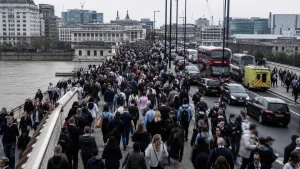
Previous London Underground strikes have caused widespread disruption across the capital, particularly during weekday commuting periods.
In earlier strike actions:
- Some Tube lines were completely suspended
- Station overcrowding led to temporary closures
- Bus journey times increased significantly
- Taxi demand surged across central London
- Rail replacement routes became heavily congested
The impact often extended beyond London Underground services because surrounding transport systems absorbed displaced passengers.
Many London businesses reported reduced office attendance during earlier strikes, with remote working becoming increasingly common as a temporary solution.
Transport analysts suggest that future strike action could become more disruptive if passenger demand continues increasing throughout 2026.
What Is the Latest Update on TfL Train Strikes as of May 2026?
As of 11 May 2026, the planned RMT strike action remains active for the scheduled May and June dates. TfL continues to warn passengers about major disruption across the Underground network.
Negotiations between union representatives and TfL officials are ongoing, but no breakthrough agreement has yet been publicly confirmed.
Commuters should continue monitoring updates daily as strike schedules can occasionally change at short notice.
Passengers travelling next week are currently being advised to:
- Avoid unnecessary Tube journeys
- Allow additional travel time
- Use alternative routes where possible
- Monitor live TfL service updates
- Expect severe overcrowding on operational services
At present, Londoners should prepare for the strikes to proceed unless official cancellation announcements are issued.
Can I Get a Refund Due to TfL Strike Disruption?
If your journey is delayed or cancelled due to the RMT strike, you may be eligible for compensation.
- Oyster and Contactless: Passengers may be able to apply for a refund if their journey is delayed by more than 15 minutes, depending on the severity of the service suspension.
- Season Tickets: Monthly or annual ticket holders can often claim for strike days if they are unable to travel.
- Paper Tickets: If you decide not to travel at all due to the strike, you may be able to return your unused ticket to the original point of purchase for a refund.
- Note: Always check the official TfL “Help & Contact” page to submit a claim, as rules can vary during industrial action.
Conclusion
The London TfL train strikes scheduled throughout May and June 2026 are expected to create major disruption across the capital’s transport network.
With RMT union members continuing industrial action over working condition disputes, passengers should prepare for delays, overcrowding and reduced Underground services.
While alternative TfL services such as the Elizabeth line and DLR are expected to continue operating, they will likely face significantly increased demand.
Commuters are strongly advised to monitor live TfL updates, consider flexible travel arrangements and allow extra journey time during the strike periods until negotiations between TfL and union representatives reach a resolution.
FAQs
Will all London Underground lines close during the TfL strikes?
Not all Underground lines are expected to close completely, but many could operate with severe reductions or temporary suspensions. The level of disruption depends on staff participation and operational availability on each line.
Are buses free during TfL train strikes?
London buses do not usually become free during Tube strikes. Standard Oyster, contactless and Travelcard fares will continue to apply, although buses are expected to become much busier than normal.
Can passengers use Oyster cards on alternative rail services?
In many cases, Oyster and contactless payment methods remain valid on several National Rail and Overground routes within London fare zones. Passengers should still check route-specific fare rules before travelling.
Will the Elizabeth line be affected by the RMT strike action?
The Elizabeth line is currently expected to operate during the strikes because it is not directly part of the Underground driver dispute. However, passengers should expect severe overcrowding and possible delays.
How crowded will London public transport become during strike days?
Public transport across London is likely to become extremely crowded during the strike periods. Alternative services such as buses, Overground and the Elizabeth line often experience significantly increased passenger demand.
Are night Tube services expected to operate during the strikes?
Night Tube services may face cancellation or severe disruption depending on staffing availability during strike periods. Passengers travelling overnight should check live TfL updates before departure.
Where can passengers get real-time TfL strike updates?
Passengers can monitor real-time disruption updates through the official TfL website, the TfL Go mobile app and station information boards. Live announcements are frequently updated throughout strike days.