
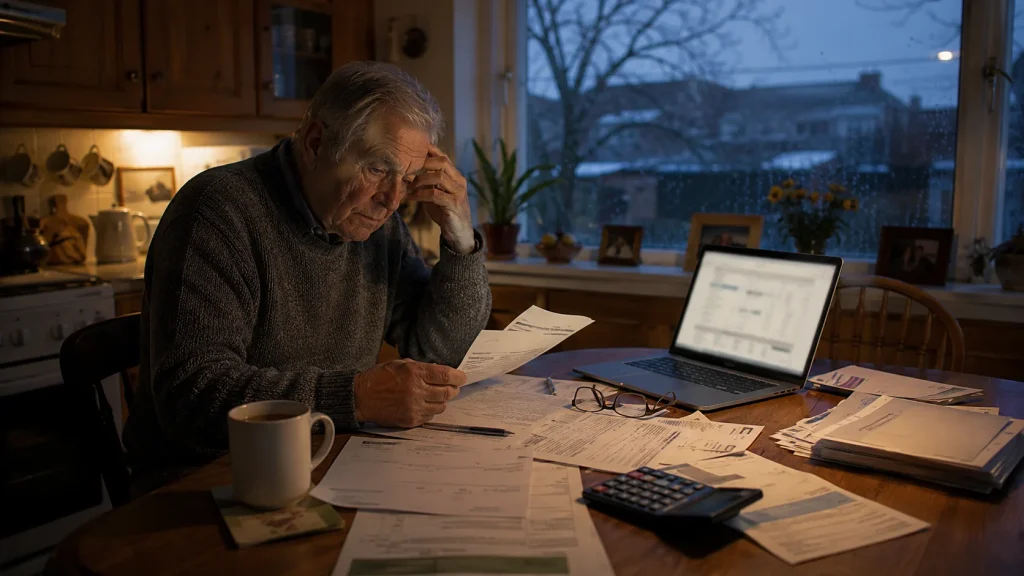
What is the Winter Fuel Payment Clawback in 2026?

The Winter Fuel Payment clawback in 2026 refers to the HMRC system that automatically recovers the Winter Fuel Payment from individuals whose total taxable income exceeds £35,000 in the previous tax year.
Instead of treating the payment as a permanent benefit for all eligible pension-age individuals, HMRC now treats it as a conditional payment that may be fully reclaimed depending on income.
Once an individual crosses the £35,000 threshold, HMRC triggers an automatic recovery process. This means the payment is not partially reduced but fully reclaimed through the tax system.
The process is integrated into existing PAYE and Self Assessment frameworks, making it largely invisible to the taxpayer until adjustments appear in their tax position.
This change reflects a broader shift in UK fiscal policy, where universal benefits are increasingly replaced with income-targeted support mechanisms.
Who will need to repay the Winter Fuel Payment in 2026?
Individuals with total taxable income above £35,000 in the relevant tax year will be required to repay the Winter Fuel Payment. This applies regardless of employment status, pension type, or savings structure. The focus is entirely on individual taxable income, not combined household earnings.
This means two people living in the same household may have completely different obligations depending on their personal financial circumstances. One may retain the payment while the other is required to repay it in full.
The £35,000 Income Threshold Explained
The £35,000 threshold is calculated using total taxable income before deductions such as personal allowances. It includes state pension income (where taxable), private pension withdrawals, employment income, and taxable savings interest.
Once this figure is exceeded, HMRC automatically initiates clawback procedures without requiring a separate application or declaration.
Individual Income Versus Household Income Rules
The system deliberately avoids household income assessment to simplify administration. However, this creates disparities where couples with similar combined incomes may be treated differently based on how income is distributed between them. This individualised approach is central to how HMRC enforces the policy.
How PAYE Taxpayers Repay the Clawback?
For individuals who receive income via PAYE (Pay As You Earn), HMRC recovers the funds passively without requiring manual intervention or separate declarations. Once your income is identified as exceeding the £35,000 threshold, HMRC will issue a tax code adjustment.
This adjustment works by lowering your personal tax-free allowance, effectively increasing the amount of tax deducted from your monthly payroll or monthly pension payments. The total repayment is spread evenly across the tax year to minimize the immediate monthly burden.
The data below outlines how standard automatic monthly PAYE deductions are calculated based on the total allowance amount you received:
- If your original payment received was £200, the annual recovery is £200, resulting in a monthly deduction of £16.67.
- If your original payment received was £300, the annual recovery is £300, resulting in a monthly deduction of £25.00.
- If your original payment received was £600, the annual recovery is £600, resulting in a monthly deduction of £50.00.
(Note: Official notifications detailing your updated tax code will be issued by HMRC via post or through your personal online tax account.)
The “Cliff-Edge” Effect: Exceeding the Threshold by £1
Unlike standard UK tax brackets where higher rates only apply to the money earned above a certain boundary, the Winter Fuel Payment clawback operates as a rigid financial cliff-edge. There is no sliding scale or gradual reduction in entitlement.
If your calculated taxable income reaches £35,001, you are forced to repay the entirety of your allowance back to HMRC. A minor financial shift such as a small bank interest rate increase or an unexpected end-of-year bonus can cause an individual to cross the threshold and completely lose their benefit.
Eleanor Briggs, a retirement policy analyst, highlights the industry concern surrounding this setup:
“Many pensioners find the cliff-edge effect difficult to manage because there is no gradual reduction. A small increase in income can result in losing the entire benefit, which feels inconsistent with the principle of targeted support.”
How Much Could Pensioners Repay Under the 2026 Rules?

The repayment amount depends on the original Winter Fuel Payment received, which varies based on age and eligibility category. Once the threshold is exceeded, the entire amount becomes recoverable regardless of how close the individual was to the limit.
Example of monthly PAYE deductions
| Payment Received | Annual Recovery | Monthly Deduction |
| £200 | £200 | £16.67 |
| £300 | £300 | £25.00 |
| £600 | £600 | £50.00 |
These deductions are applied automatically through payroll or pension systems.
Repayment Scenarios Based on Income Levels
| Annual Income | Outcome |
| £34,500 | Payment retained |
| £35,000 | Full repayment triggered |
| £37,500 | Full repayment still applies |
| £50,000 | Full repayment applies with no additional penalty |
What Income Counts Towards the £35,000 Threshold?
HMRC assesses your total individual taxable gross income before any personal allowances or deductions are taken into account.
To see if you breach the threshold, you must add up the following income streams:
- State Pension Income: The State Pension is fully taxable and counts directly toward your threshold limit alongside your other revenues.
- Private and Occupational Pensions: Any regular annuity payments or lump-sum withdrawals drawn from private pension pots count toward the limit.
- Employment and Self-Employment Earnings: Gross salaries, wages, bonuses, or net profits from trading are included.
- Savings Interest and Dividends: Taxable interest generated from bank accounts and income paid out from investments contribute to the total.
- Property Income: Gross rental income received from any buy-to-let investments or property portfolios is fully considered.
Earnings, Savings Interest, and Investments
Income from employment, rental properties, dividends, and savings interest all contribute to the threshold calculation. Even relatively small increases in interest rates can influence whether an individual crosses the limit.
Can Pensioners Avoid the Winter Fuel Payment Clawback?
There is no legal method to opt out of the clawback once the threshold is exceeded. However, individuals may manage their income timing and structure to avoid unintentionally crossing the limit.
Checking Pension Credit eligibility
Some pensioners may benefit from reviewing eligibility for Pension Credit, which can provide additional financial support. While it does not directly prevent clawback, it may improve overall financial stability for lower-income households.
What Should PAYE Taxpayers Expect From HMRC?
PAYE taxpayers will experience automatic tax code adjustments once HMRC determines that their income exceeds the threshold. This process happens without requiring action from the taxpayer.
Notifications are typically issued through official letters or digital communication, informing individuals of changes to their tax position and expected repayment amounts.
How Will Self Assessment Taxpayers Repay the Winter Fuel Payment?
Self-assessment taxpayers will see the repayment included in their annual tax calculation. This creates a single combined liability that must be settled by the standard deadline.
Balancing Payments and January 2027 Deadlines
Any outstanding clawback must be paid by 31 January 2027, alongside any other tax liabilities. This can result in a significantly higher-than-expected annual tax bill for affected individuals.
What happens if HMRC makes a Mistake?
Errors may occur due to outdated income data, delayed reporting from pension providers, or incorrect tax code calculations. HMRC provides mechanisms for correction once discrepancies are identified.
Correcting Tax Code Adjustments
If an error is identified, HMRC will revise the tax code and adjust future deductions accordingly. This ensures that over-collection does not continue once corrected information is available.
Refunds for Overpaid Winter Fuel Payment Clawbacks
Where overpayment has occurred, HMRC will issue refunds either through payroll adjustments or direct repayment following final income confirmation.
How Does the Winter Fuel Payment Clawback Affect Retirement Planning?
The introduction of income-based recovery requires pensioners to be more precise in managing their taxable income. Even small financial decisions can influence eligibility outcomes.
Martin Hale, a retirement financial adviser, notes:
“Retirees often underestimate how sensitive the system is to small changes in savings interest or pension withdrawals. A modest adjustment in timing can be the difference between retaining or losing the payment entirely.”
This has made income forecasting an increasingly important part of retirement planning.
What Are the Main Differences Between the Old and New Winter Fuel Payment Rules?
The policy shift has moved from universal eligibility to income-contingent recovery, significantly changing how the benefit functions.
| Feature | Previous System | 2026 Clawback System |
| Eligibility | Age-based universal payment | Income-based recovery |
| Repayment | None | Full repayment above £35,000 |
| Administration | Simple eligibility | HMRC tax integration |
| Fairness approach | Broad coverage | Targeted support |
What Should Pensioners Do Before the 2026/27 Tax Year Begins?
Preparation involves reviewing all income sources and understanding how they contribute to taxable income. This includes pensions, investments, and savings interest.
Important Timeline Check: Because the system assesses your financial standing using total taxable income from the relevant prior tax period, you must cross-reference your latest P60 certificates, annual pension statements, and bank interest certificates to verify exactly where your income sits relative to the £35,000 boundary.
Even small adjustments in withdrawal timing or investment planning may influence whether an individual crosses the threshold.
Could the Winter Fuel Payment Rules Change Again in the Future?
Future changes remain possible depending on economic conditions and political priorities. Energy pricing trends, inflation levels, and pensioner welfare debates may all influence whether thresholds or recovery mechanisms are adjusted.
Conclusion
The Winter Fuel Payment clawback in 2026 introduces a significant structural change in how winter energy support is delivered in the UK. By linking eligibility to an individual income threshold of £35,000, HMRC has created a system that prioritises targeted fiscal efficiency over universal access.
While the mechanism ensures clear administrative control and predictable recovery, it also introduces a strict financial boundary that can significantly impact pensioners near the threshold.
Understanding how income is assessed, how repayments are collected, and how tax codes are adjusted is essential for effective retirement planning in this new system.
Frequently Asked Questions
What happens if someone just slightly exceeds the £35,000 threshold?
Even a small excess triggers full repayment of the Winter Fuel Payment. The system does not allow partial retention, meaning the entire amount becomes repayable once the threshold is crossed.
Does HMRC notify individuals before applying the clawback?
Yes, HMRC typically sends official notifications through letters or digital messages once tax code adjustments are made, explaining how the repayment will be collected.
Are savings included in the income calculation?
Yes, taxable savings interest and investment income are included when assessing whether the £35,000 threshold has been exceeded.
Can couples combine income to avoid repayment?
No, each individual is assessed separately. Household income is not used in determining eligibility or repayment obligations.
What happens if income is later revised?
If updated income information shows the threshold was not actually exceeded, HMRC will correct the tax position and issue a refund where applicable.
When must Self Assessment taxpayers pay the clawback?
Repayment is included in the annual tax bill and must be paid by 31 January following the end of the tax year.
Can the Winter Fuel Payment clawback be appealed?
Yes, individuals can challenge HMRC decisions if they believe income has been incorrectly calculated or if errors have affected their tax code.