
Key Takeaways:
- Purpose of the Scheme: Intended to deter illegal Channel crossings and reduce asylum pressures in the UK.
- Legal Challenges: Faced opposition in UK courts, including interventions from the European Court of Human Rights.
- Cancellation: Labour scrapped the policy shortly after taking office in 2024.
- Rwanda’s Claim: Rwanda sought more than £106 million in compensation.
- 2026 Arbitration Outcome: Tribunal ruled in favour of the UK, rejecting Rwanda’s claims.
- Future Impact: May influence how future migration agreements are negotiated internationally.
Rwanda Asylum Plan Latest Update – June 2026
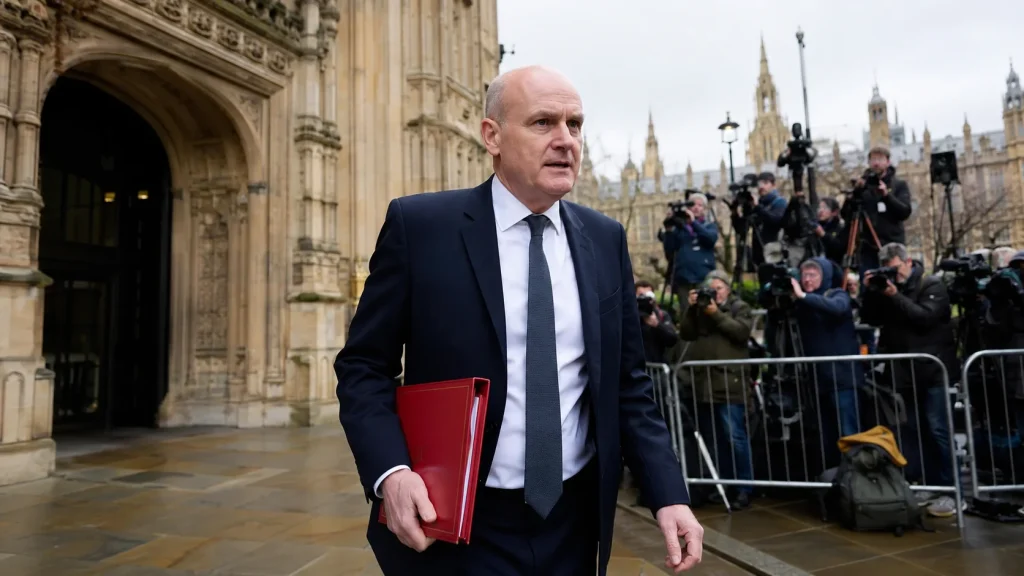
The latest development in the Rwanda asylum plan came on 1 June 2026, when an international arbitration tribunal ruled that the United Kingdom would not be required to make further payments to Rwanda following the cancellation of the migration partnership.
Rwanda had sought more than £106 million in additional compensation after the Labour government scrapped the scheme in 2024. However, the tribunal concluded that the UK was not legally obligated to make the disputed payments and rejected Rwanda’s claim.
The ruling effectively closes the final major legal dispute connected to the Rwanda asylum plan and confirms that no further compensation will be paid beyond the funds already transferred under the original agreement.
What Is the Rwanda Asylum Plan and Why Was It Introduced?

The Rwanda asylum plan was one of the most controversial immigration policies introduced in modern British politics. Announced in 2022 under then-Prime Minister Boris Johnson, the scheme sought to address rising numbers of migrants crossing the English Channel in small boats.
Under the arrangement, certain asylum seekers who entered the UK illegally could be relocated to Rwanda. Their asylum claims would then be assessed by Rwandan authorities rather than the UK government. If successful, they could remain in Rwanda rather than return to Britain.
Supporters argued that the policy would discourage dangerous Channel crossings, undermine people-smuggling networks, and help restore control over the UK’s borders. Critics, however, questioned its legality, cost-effectiveness, and compliance with international refugee obligations.
The Rwanda asylum plan quickly became one of the defining debates in UK immigration policy.
How Did the UK-Rwanda Migration Partnership Begin?
The partnership emerged from growing political pressure to tackle irregular migration. The UK government entered into a Migration and Economic Development Partnership with Rwanda, agreeing to provide substantial funding in exchange for Rwanda’s participation.
Officials believed that relocating asylum seekers to a third country would reduce incentives for migrants to attempt dangerous journeys across the Channel.
The agreement involved significant financial commitments from the UK, including funding for infrastructure, accommodation, and administrative support within Rwanda. However, despite substantial investment, the scheme never became fully operational.
| Milestone | Date | Outcome |
| Partnership Announced | April 2022 | UK and Rwanda sign agreement |
| First Flight Planned | June 2022 | Flight halted by legal intervention |
| Supreme Court Ruling | 2023 | Significant legal setback for policy |
| Safety of Rwanda Act | 2024 | Government attempts to revive scheme |
| Labour Cancels Plan | July 2024 | Policy officially scrapped |
| Arbitration Decision | 2026 | UK wins compensation dispute |
Why Was the Rwanda Asylum Plan Challenged in the Courts?
From its inception, the Rwanda asylum plan attracted legal scrutiny from human rights organizations, refugee groups, lawyers, and opposition politicians.
The primary argument against the scheme centred on whether Rwanda could genuinely be considered a safe country for relocated asylum seekers. Opponents argued that individuals could face risks if returned to countries from which they had originally fled.
Key Legal Concerns Raised by Opponents
Legal challenges focused on several important issues. Critics claimed the scheme could violate international refugee law and human rights protections. Questions were also raised regarding procedural fairness and the potential for wrongful removals.
Courts were repeatedly asked to determine whether the government had adequately assessed the risks associated with relocation.
What Happened to the First Rwanda Deportation Flight?
The first planned deportation flight became one of the most symbolic moments in the entire controversy.
In June 2022, a flight carrying asylum seekers was scheduled to leave the UK for Rwanda. However, shortly before departure, the European Court of Human Rights issued an emergency intervention preventing the removal of several individuals.
As a result, the flight was grounded before take-off.
The event generated significant political debate. Supporters of the policy criticised foreign judicial intervention, while opponents viewed the decision as evidence that serious legal concerns remained unresolved.
The halted flight marked the beginning of years of legal battles that would ultimately prevent the scheme from becoming fully operational.
How Did UK Courts Rule on the Rwanda Asylum Plan Before Its Cancellation?
The policy moved through multiple levels of the British legal system, producing a series of complex judgments.
High Court and Court of Appeal Decisions
Initial rulings produced mixed outcomes. Some judges accepted that the government had legitimate objectives in addressing irregular migration, while others raised concerns regarding implementation and safeguards.
The Court of Appeal later concluded that significant risks existed regarding the treatment of asylum seekers sent to Rwanda.
These findings intensified political pressure and fuelled wider debate about the future of the scheme.
Supreme Court Judgment and Its Impact
The Supreme Court delivered the most significant ruling in the case.
Judges unanimously concluded that substantial concerns remained regarding the safety of relocated asylum seekers. The court found there was a real risk that some individuals could be wrongly returned to countries where they faced persecution.
The judgment represented a major setback for the government’s strategy and forced ministers to reconsider how the policy could proceed.
Why Did the Labour Government Cancel the Rwanda Asylum Plan?
The Labour Party had consistently opposed the Rwanda asylum plan while in opposition.
After winning the 2024 General Election, Prime Minister Keir Starmer moved quickly to end the scheme. He described the policy as ineffective and argued that it had failed to achieve its intended objectives.
The government maintained that significant public funds had been spent without any meaningful operational success. Ministers also argued that resources should instead be directed towards strengthening asylum processing and improving border enforcement.
The decision fulfilled a key Labour manifesto commitment and marked a major shift in immigration policy.
What Was Rwanda’s Legal Claim Against the United Kingdom?
Following the cancellation, Rwanda argued that the UK had breached elements of the agreement.
Rwanda’s Argument Before the Tribunal
Rwandan representatives maintained that substantial preparations had been undertaken in anticipation of receiving relocated asylum seekers. Facilities had been prepared, administrative structures established, and resources allocated.
Officials argued that these investments were made in good faith based on commitments provided by the UK government.
How Much Compensation Was Rwanda Seeking?
Following the cancellation of the scheme, Rwanda argued that it was entitled to further payments under the original migration partnership agreement.
| Compensation Claim | Amount |
| Scheduled Payment for 2025 | £50 million |
| Scheduled Payment for 2026 | £50 million |
| Additional Compensation Claim | Approximately £6 million |
| Total Sought by Rwanda | More than £106 million |
Rwanda argued that it had invested heavily in infrastructure, accommodation, administration, and operational preparations based on commitments made by the UK government. Officials therefore, sought compensation after the partnership was terminated.
What Did the Arbitration Tribunal Decide in 2026?
The 2026 arbitration ruling represented the final major chapter in the Rwanda asylum plan dispute.
The Permanent Court of Arbitration’s Ruling
After reviewing submissions from both governments, the tribunal rejected Rwanda’s claims for additional compensation.
The panel concluded that Rwanda was not entitled to the remedies it sought and found in favour of the UK position.
The tribunal placed significant weight on communications exchanged between the two governments following the cancellation of the scheme. Arbitrators concluded that Rwanda had effectively acknowledged that future payments were not guaranteed once the partnership ended.
The majority of the tribunal therefore determined that the UK had no obligation to continue making annual payments after the Labour government formally abandoned the policy in 2024.
The ruling effectively ended the financial dispute between the two countries.
Why the UK Was Not Required to Make Further Payments
UK lawyers maintained that it was entirely foreseeable that a new government could choose a different approach to immigration policy.
The tribunal ultimately agreed that the circumstances did not justify the additional payments sought by Rwanda.
What Arguments Did the UK Present During the Hague Hearing?
The UK government’s legal team defended the decision to cancel the policy and reject Rwanda’s compensation demands.
Lawyers argued that democratic elections naturally create the possibility of policy changes. They contended that the incoming Labour government had a clear electoral mandate to abandon the scheme.
The UK also rejected allegations that it had breached contractual obligations. Representatives maintained that the relevant exchanges between both governments did not create additional financial liabilities.
These arguments ultimately persuaded the tribunal.
How Has the Court Decision Affected UK Immigration Policy?
The arbitration ruling does not directly alter current immigration laws, but it carries important policy implications.
The decision removes uncertainty regarding further payments to Rwanda and allows policymakers to focus on alternative approaches.
The government has increasingly emphasised faster asylum decisions, enhanced enforcement measures, and international cooperation aimed at disrupting criminal smuggling networks.
The ruling also highlights the risks associated with expensive and politically contentious migration agreements.
| Policy Area | Before Cancellation | Current Direction |
| Asylum Processing | Relocation-focused approach | Faster domestic processing |
| Migration Deterrence | Rwanda relocation scheme | Border enforcement measures |
| International Partnerships | Rwanda agreement | Wider international cooperation |
| Removal Strategy | Planned third-country transfers | Increased returns agreements |
What Does the Ruling Mean for Future International Migration Agreements?
Future governments are likely to examine the Rwanda experience closely before entering similar arrangements.
The legal disputes, operational challenges, and financial questions surrounding the scheme provide valuable lessons for policymakers.
Governments may seek clearer contractual provisions, stronger legal safeguards, and more robust implementation frameworks when negotiating future migration partnerships.
The case could also encourage greater scrutiny of agreements involving asylum processing outside a country’s borders.
How Effective Was the Rwanda Asylum Plan as a Deterrent to Illegal Migration?
One of the most contested questions remains whether the policy achieved its intended deterrent effect.
Supporters argued that the possibility of relocation would discourage migrants from attempting Channel crossings. Critics responded that the scheme never operated at sufficient scale to test that theory effectively.
Because the programme faced repeated legal obstacles and very few removals occurred, measuring its practical impact remains difficult.
As a result, the debate over effectiveness continues despite the policy’s cancellation.
How Much Did the Rwanda Asylum Plan Cost UK Taxpayers?
One of the biggest criticisms of the policy concerned its financial cost. Government figures and public reports indicated that hundreds of millions of pounds had been committed to the partnership before it was cancelled.
| Cost Category | Estimated Amount |
| Payments Made to Rwanda | Approximately £290 million |
| Administrative and Operational Costs | Millions of pounds |
| Total Estimated Scheme Cost | More than £700 million |
Critics argued that the programme represented poor value for money given that no large-scale deportations ultimately occurred. Supporters responded that the scheme’s purpose was deterrence rather than relocation numbers alone.
What Were the Main Criticisms of the Rwanda Deportation Scheme?
Critics raised concerns across legal, financial, humanitarian, and practical dimensions.
| Criticism | Explanation |
| High Costs | Significant public spending with limited operational outcomes |
| Legal Challenges | Repeated court battles delayed implementation |
| Human Rights Concerns | Questions about refugee protection standards |
| Limited Results | Very few actual relocations occurred |
| Administrative Complexity | Difficulties in executing the programme efficiently |
Supporters countered that innovative solutions were necessary to address growing migration pressures. Nevertheless, the combination of legal setbacks and political opposition ultimately undermined the policy.
How Have Political Parties and Organisations Reacted to the Latest Decision?

The arbitration ruling generated varied responses across the political spectrum.
Labour Government Position
The government welcomed the decision and emphasised that it had successfully defended the UK’s position.
Ministers argued that the outcome avoided further expenditure and validated the decision to move away from the Rwanda policy.
Refugee policy analyst Sarah Whitmore remarked: “The arbitration outcome closes an important chapter, but the larger challenge remains creating an asylum system that is both efficient and fair. Sustainable solutions will require long-term reforms rather than temporary political fixes.”
What Could Replace the Rwanda Asylum Plan in the Future?
The future direction of UK asylum policy remains an important political issue.
Potential alternatives include accelerating asylum decisions, strengthening returns agreements, expanding international cooperation, and increasing investment in border security technologies.
Governments may also pursue broader diplomatic efforts aimed at addressing migration drivers and disrupting organised smuggling networks.
While the Rwanda asylum plan has ended, the challenges it sought to address remain highly relevant, ensuring that migration policy will continue to feature prominently in political debate.
Conclusion
The Rwanda asylum plan remains one of the most controversial immigration policies in modern British history. Introduced in 2022 as a deterrent to illegal Channel crossings, the scheme became the subject of years of legal disputes, political debate, and international scrutiny. Despite significant investment and repeated government efforts to implement the policy, no large-scale removals ever took place.
The June 2026 arbitration ruling, which rejected Rwanda’s claim for more than £106 million in additional compensation, effectively closes the final legal chapter of the partnership. However, the wider debate over asylum reform, border security, and migration management is likely to continue for years to come.
FAQs
What was the primary purpose of the Rwanda asylum plan?
The main objective was to deter illegal Channel crossings by relocating certain asylum seekers to Rwanda for processing. Supporters believed this would reduce incentives for dangerous journeys and disrupt people-smuggling operations.
Why did the UK government cancel the Rwanda asylum plan?
The Labour government argued that the scheme was ineffective, costly, and failed to deliver meaningful results. It also maintained that resources could be better spent on improving domestic asylum processing and border enforcement.
Did any asylum seekers get relocated to Rwanda under the original scheme?
No large-scale removals occurred under the main programme. The first planned flight was halted, and the policy remained tied up in legal challenges until it was ultimately cancelled.
Why did Rwanda seek compensation from the UK?
Rwanda argued that it had invested resources and prepared infrastructure based on commitments made under the agreement. The government therefore sought compensation after the UK terminated the arrangement.
What was the outcome of the 2026 international arbitration ruling?
The Permanent Court of Arbitration ruled in favour of the UK, rejecting Rwanda’s claim for additional compensation and concluding that no further payments were required.
How did the Supreme Court influence the future of the Rwanda policy?
The Supreme Court found that significant concerns remained regarding the safety of asylum seekers relocated to Rwanda. This judgment created major obstacles for the government’s plans and contributed to ongoing political controversy.
What alternatives is the UK government considering for managing asylum claims?
Current approaches focus on faster decision-making, stronger border controls, increased removals of individuals without legal status, and greater international cooperation against smuggling networks.
Could a similar migration agreement be introduced in the future?
It is possible, but future agreements would likely face intense scrutiny. Policymakers may seek stronger legal safeguards and clearer contractual arrangements to avoid the challenges experienced during the Rwanda asylum plan.