
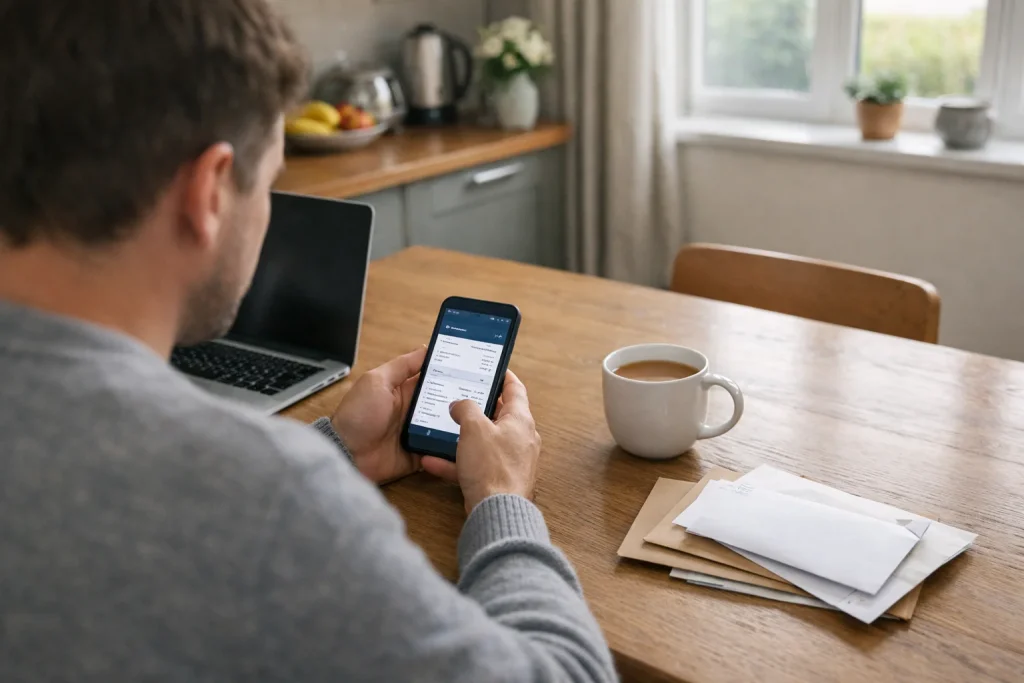
The DWP £299 Cost of Living Payment was a direct, automatic financial support issued in February 2024 to millions of low-income households across the UK. It was the third and final instalment of a wider government support package for the 2023/24 period, designed to ease pressure from rising living costs.
Unlike many benefits or grants that require applications, this payment was processed automatically for those on qualifying means-tested benefits, including Universal Credit and Pension Credit. There was no need to apply, and it was entirely tax-free.

According to the official GOV.UK guidance, the payment was deposited between 6 February and 22 February 2024, depending on the type of benefit received and whether it was through DWP or HMRC.
Quick Summary: DWP £299 Cost of Living Payment (Fact Check)
| Topic | Official Position |
| Payment Status | True – but historical. The £299 Cost of Living Payment was paid in February 2024 and is now concluded. |
| Who Received It | Eligible claimants on means‑tested benefits such as Universal Credit, Pension Credit, Income Support, and tax credits. |
| When It Was Paid | 6–22 February 2024 (DWP benefits) and 16–22 February 2024 (tax credit‑only claimants via HMRC). |
| Automatic Payment? | Yes – at the time. It was paid automatically to eligible households with no application required. |
| Current Claims About New Payments | False. There is no confirmed £299 Cost of Living Payment planned for 2025 or 2026. |
| Support Available Instead | Universal Credit, Pension Credit, Household Support Fund via local councils, and other targeted benefits. |
| Official Advice | Ignore texts, emails or social posts claiming a new £299 payment is due. These are not government‑issued and may be scams. |
| Trusted Sources for Updates | GOV.UK, DWP announcements, HMRC releases, and recognised UK advice charities such as Turn2Us. |
Many residents, including people in Preston, were caught off guard by how seamlessly it arrived. One local said: “It just showed up – no notice, no form, just in my bank.” That level of simplicity was intentional, designed to ensure help reached those who needed it most without added bureaucracy.
Who Was Eligible for the £299 Payment and How Did It Work?

Eligibility for the £299 payment hinged on your benefit status during specific periods in late 2023. People receiving means‑tested benefits were included, such as Universal Credit, Pension Credit, Income Support, income‑related Jobseeker’s Allowance (JSA) and Employment Support Allowance (ESA), as well as Working Tax Credit and Child Tax Credit. Tax credit‑only recipients were included through HM Revenue & Customs (HMRC) arrangements.
What mattered most was not an application, but whether you were receiving one of these benefits during the qualifying window.
Because it was handled automatically, many eligible claimants were unaware they qualified until they saw the payment land in their account or checked official information on https://www.gov.uk/guidance/cost-of-living-payment.
For those struggling to check eligibility or explore other forms of help with daily costs, organisations such as Turn2Us offer free guidance and tools, including benefit calculators, grants search tools and information about local assistance schemes.
When Exactly Was the £299 Cost of Living Payment Paid?
Although the official window spanned several weeks, the timing differed slightly depending on how you received your benefits. Most people on Department for Work and Pensions benefits saw their payments arrive between 6 February and 22 February 2024.
For individuals who were claiming only tax credits, HMRC issued the payment between 16 February and 22 February 2024, as confirmed in a government press announcement on 16 February 2024.
This slightly varied schedule was simply chosen to align with different administrative processes, not because of any ongoing or future payment guarantee. When journalists refer to this period, they emphasise that it was clearly defined and concluded by February 2024, and that’s an important fact in countering the misinformation that followed.
What Should You Do If You Think You Missed It?
A small number of people did not receive the payment, but this was usually due to administrative issues, such as changes in bank details, lapsed claims or benefit records not updated in time.
If you genuinely believe you were eligible but did not receive your £299 payment, there were official ways to pursue it.
For DWP‑administered benefits, contacting the relevant DWP helpline and reporting a missing payment before the deadline was essential. Similarly, if you were a tax credit‑only claimant, HMRC’s help channels were the correct route.
Local resident Sarah from Lancaster described this:
“I knew I should’ve got it, but it never arrived. Once I phoned the benefit line and explained my circumstances, they checked my record and sorted it that was a relief.”
It’s important to understand that resolving a missed payment was not about “claiming new money”, but ensuring the system recorded your entitlement correctly during the original payment period.
Are There Any Future Cost-of-Living Payments in 2025 or 2026?
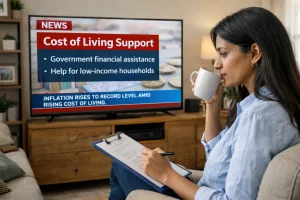
This is where much of the online speculation arises. Many people search for answers to questions like “Is there another Cost of Living Payment in 2026?” or “Will I get a cost-of-living payment tomorrow?”
The reality, based on current official guidance, is that the specific Cost of Living Payment scheme that issued the £299 has now concluded, and no repeat of this specific payment has been announced for 2025 or 2026. Government sources, including benefit information pages and payments calendars, confirm that the programme ended with the last instalment in February 2024.
This is not to say that all support has dried up. Benefits continue to be paid and may be uprated, and other assistance schemes, such as those offered through local councils or charities, still operate to help people manage essential costs.
Author Justin once told me about the atmosphere around this topic: “In cities like Preston and towns across England, there was excitement followed by confusion, then a long tail of misinformation. The vibe now is cautious hope people want help, but they also want clarity about what’s really official.”
Is Other Support Still Available Beyond This Payment?
Yes. While the £299 and related cost-of-living instalments have ended, there remains a patchwork of support accessible to those struggling with essential living costs.
One key example is the Household Support Fund, a government‑backed initiative distributed through local councils that can provide cash, vouchers or targeted help for food, bills and essentials.
These funds can vary widely by location and council policy, but they offer a lifeline for households grappling with unexpected pressures. Details of such local support and ways to check what might be available near you are often highlighted by community organisations and local authority websites.
Another source of help is provided through charities and third‑sector services, like those featured on Turn2Us’s main support pages, which outline various forms of cost-of-living assistance, grants and benefit entitlements across the UK.
If you’re unsure what support applies to you, trusted services like Turn2Us’s Benefits Calculator (https://benefits-calculator.turn2us.org.uk/) and Grants Search (https://grants-search.turn2us.org.uk/) can help identify possible entitlements tailored to your circumstances.
How to Tell Official Announcements from Fake News?
Misleading posts and social media claims often include phrases such as “Get paid today!” or “£500 cost of living payment confirmed now!”, often without any credible source. These kinds of claims are almost always either clickbait or outright scams.
The best way to verify any payment or scheme is to consult official government pages such as the GOV.UK Cost of Living Payment guidance, and to avoid links that ask for personal or bank details. Trusted charities and support organisations can also provide factual information without pressure or urgency.
If you ever receive a message claiming you must act now to get a government payment, that’s a key sign to pause, double‑check on official channels, and avoid sharing sensitive information.
Cost of Living Payment 2023/24
| Description | Details |
| Payment amount | £299 (final instalment of up to £900 total) |
| Qualifying system | Automatic for eligible benefits |
| Main payment dates | 6 Feb – 22 Feb 2024 |
| Tax credit only (HMRC) | 16 Feb – 22 Feb 2024 |
| Application needed | No |
| Current status | Scheme concluded; no further payments announced |
This table provides a snapshot of how the payment operated, based on official historical data.

Frequently Asked Questions
What Exactly Was the £299 Cost of Living Payment?
It was the final payment in the UK Government’s 2023/24 Cost of Living Payment programme, automatically deposited into eligible claimants’ accounts in February 2024.
Who Qualified for the Payment?
People receiving means‑tested benefits during qualifying assessment periods, including Universal Credit, Pension Credit and tax credits, were eligible.
When Was the Money Paid?
Between 6 February and 22 February 2024, for most people, and 16‑22 February 2024, for tax credit‑only claimants.
Do I Need to Apply Now to Get It?
No. If you were eligible at the time, the payment was automatic. There is no new payment process to apply for in 2025 or 2026.
Are There More Cost-of-Living Payments Coming?
At present, there’s no official plan to repeat this specific payment scheme. Government support continues mainly through routine benefits and local assistance funds.
What Other Help is Available With Living Costs?
Support varies by area but includes council‑run funds and charitable grants. Use tools like Turn2Us’s online benefits and grants search to explore options.
How Do I Avoid Fake or Misleading Claims?
Always verify against official pages like GOV.UK and trusted organisations; be cautious of messages urging you to act immediately to claim money.