

📢 STRIKE ACTION UPDATE
Ballot Period: Jan 19 – Feb 23, 2026
DWP Dispute: 50,000 Staff Voting on Industrial Action
The PCS union has launched a statutory ballot involving 50,000 members over a “poverty pay” dispute. With 25,000 staff currently earning near the National Living Wage, union leaders are seeking a significant pay mandate.
The Department for Work and Pensions (DWP) is at the centre of one of the most significant public sector labour developments in early 2026. From 19 January to 23 February 2026, members of the Public and Commercial Services (PCS) union who work within the department have been casting their votes in a statutory strike ballot over pay and conditions, signalling growing unrest in the civil service.
Nearly 50,000 PCS members across jobcentres, benefits service centres, pension processing units and other frontline roles are eligible to vote on whether to authorise industrial action, a step that could have substantial implications for claimants and staff alike.
What Is the DWP Strike Ballot and How Is It Being Run?
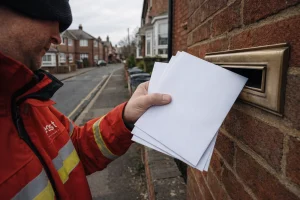
The strike ballot represents a formal, statutory decision‑making process required by law before any union can call for legal industrial action. It was launched on 19 January 2026, following a period of campaigning by PCS, and will remain open until 23 February 2026.
Members receive a ballot paper by post, and voting must be completed and returned by mail, a restriction that reflects legal guidelines for industrial ballots rather than a choice by the union.
PCS leaders have urged members to complete their postal ballots promptly and report back once they have returned them, emphasising that “you have not voted until you have posted your ballot paper”.
Online or workplace voting is not permitted, and if members do not receive their ballot by post, they are able to request a replacement via PCS Digital between 24 January and 6 February 2026.
Official Resources & Verification:
- Union Updates: For the latest on the dispute and ballot instructions, visit the official PCS DWP Ballot Hub.
- Government Policy: View the Civil Service Pay Remit Guidance 2025 to 2026 to see the framework the DWP is using for current pay offers.
Who Is Eligible to Take Part in the Vote and Why Does It Matter?
Eligibility to vote is limited to PCS members working within the DWP, covering a range of roles. These include staff in Jobcentres, Universal Credit service centres, Personal Independence Payment (PIP) assessment offices, pension centres and child maintenance units. The size of the group, around 50,000 workers, makes this one of the most significant industrial ballots within the UK civil service in recent years.
Crucially, around 25,000 of these workers are in the lowest three pay grades. PCS has highlighted that, under the current pay offer, these grades risk being at or close to the National Living Wage in April 2026 without improvements to their salary structure, amplifying staffing and recruitment challenges.
Why Are DWP Workers Considering Strike Action?

At the heart of the dispute is dissatisfaction with the DWP’s 2025–26 pay offer, which PCS says does not adequately address chronic low pay, particularly for the department’s lowest paid staff.
PCS general secretary Fran Heathcote has made clear the union’s position: “Strike action is always the last resort. Our members want to work. They are proud of the job they do in DWP because they know it’s of great value to society, but this level of poverty pay is not sustainable.” Heathcote added that workers have conveyed deep financial strain and deteriorating mental health as a result of low pay and mounting workplace pressures.
The Data Behind the Dispute: Pay Remits vs. Living Costs
While the Civil Service pay remit for 2025–26 allowed departments to make an average award of 3.25% (with an additional 0.5% flexibility to address low pay), the PCS union argues the DWP’s distribution has failed its most vulnerable staff.
According to union analysis, the current offer leaves approximately 25,000 employees at a “pay cliff.” For staff on the ‘Employee Deal’, the specific salary figures for the department’s lowest grades are:
- Administrative Assistants (AA): £27,774 (a 3.75% increase)
- Administrative Officers (AO): £27,844 (a 4.01% increase)
The “April Cliff”: Why 2026 is the Breaking Point
The timing of this ballot is not a coincidence. On 1 April 2026, the National Living Wage (NLW) is scheduled to rise to £12.71 per hour. Without a significant structural change to the DWP pay scales, the salaries for AAs and AOs will be overtaken by the legal minimum wage.
“This creates a situation where experienced civil servants are effectively earning the same as entry-level workers in any other sector,” says a PCS representative. “It’s not just about the money; it’s about the total erosion of the pay gap between different levels of responsibility.”
Many frontline workers have echoed these sentiments in their own words.
“I never thought I’d be working full-time for the government and still struggling to pay for basic groceries,” said one DWP administrator based in the North West. “It feels like we’re just numbers on a spreadsheet – no one is listening to how tight things are getting for us,” added another team leader from a Preston Jobcentre.
These personal testimonies illustrate the real-world impact of stagnant wages and growing frustration across the department.
How Are PCS Members Being Encouraged to Engage With the Ballot?
PCS branches and local activists have been actively encouraging members to participate in the ballot. Organisers are engaging with colleagues in workplaces, distributing information about the importance of voting, and explaining how the ballot process works.
In addition to grassroots outreach, PCS has arranged a series of training sessions, “Winning Campaign Schools” and “Movement training” to support activists in communicating with members about the ballot and in encouraging participation.
A local PCS rep involved in training said:
“We’re not just talking about money here. It’s about fairness, morale, and respect. People are burned out, and they need to see that change is possible and that it starts with this vote.”
What Could Strike Action Mean for People Using DWP Services?
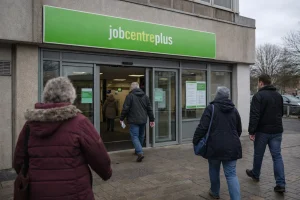
If the ballot results in a mandate for strike action, this could lead to scheduled walkouts later in 2026. The effect of such action would depend on its scale and duration, and the department’s contingency planning. In previous industrial actions involving PCS, essential functions like automatic benefit payments, including Universal Credit and State Pensions, have typically continued, but services requiring administrative processing or face‑to‑face interaction can experience delays and disruption.
For people in Preston and across the UK who rely on DWP services, this might mean longer waiting times for appointments, restructuring of local office schedules, or delays in processing benefits such as PIP claims.
What should I do if my benefit claim is delayed?
If industrial action causes delays to your claim or assessment, the DWP recommends the following steps to ensure you aren’t unfairly penalised:
- Check Your Journal: If you are on Universal Credit, use your online journal to ask for status updates. This creates a digital paper trail of your contact.
- Attend All Appointments: Unless you are explicitly told by the DWP that your local office is closed, you must attend scheduled interviews to avoid “sanctions” (payment cuts).
- Contact Citizens Advice: If a delay causes you financial hardship, Citizens Advice can help you apply for “Hardship Payments” or local welfare assistance.
- Keep Evidence: Save copies of any letters or digital notifications regarding delays; PIP and other benefits are typically backdated to the date you first applied, so you will eventually receive the full amount owed.
What Is the Government and DWP Position on Pay and the Ballot?
The DWP has acknowledged staff concerns but maintains that its pay offer reflected broader public sector pay restraints and budgetary priorities. A spokesperson emphasised that the department is “committed to ensuring competitive pay for all employees” and that proposals were influenced in part by consultations with trade unions.
This response underscores the tension between public sector wage pressures and the government’s overall fiscal strategy, and frames the ballot within a broader debate on public sector pay in a post‑pandemic and cost‑of‑living context.
How Could This Affect Local Communities Like Preston?

While the ballot itself is a national process, its outcomes could have tangible effects at a local level. In Preston, residents who regularly interact with Jobcentre Plus offices, or who are dependent on assessments or benefit processing, may notice changes if industrial action is scheduled.
Local advisory groups such as Citizens Advice may help claimants navigate these changes and understand temporary procedural adjustments.
If services are disrupted, members of the public may need to allow additional time when accessing DWP services and follow updates from their local offices.
The 2026 Strike Timeline: When Could Action Begin?
Under the Employment Rights Act 2025, which came into effect in February 2026, the legal requirements for industrial action have changed.
To capture the timeline for potential disruption, residents and staff should note two critical rules:
- The 10-Day Notice Period: While the law previously required 14 days’ notice, new regulations for 2026 have reduced this to 10 days. This means the PCS union can mobilise strikes significantly faster than in previous years once a “Yes” vote is secured.
- The March Window: With the ballot closing on 23 February 2026, the union will likely announce results within 48 hours. Accounting for the 10-day notice rule, the earliest possible strike action would likely take place in the first week of March 2026.
This compressed timeline makes it vital for claimants in Preston and across the UK to monitor service updates closely in late February, as the window between a “Yes” vote and a walkout is now shorter than ever before.
What Happens Next With the DWP Strike Ballot?
The ballot continues until 23 February 2026. Once ballots are counted, PCS will determine whether the legal thresholds for industrial action support have been met. If they are, the union may announce dates for strike action following required notice periods.
Summary: What UK Residents Should Know
The ongoing DWP strike ballot represents a significant moment in UK public sector labour relations, reflecting deep frustrations among frontline civil servants over pay, workplace conditions and recruitment challenges.
While essential payments are unlikely to stop entirely, disruption to administrative services remains a possibility if industrial action is authorised. Residents in Preston and across the UK should stay informed through official channels and local advice organisations as the situation develops.
DWP Pay Dispute 2025–26 at a Glance
| Feature | The DWP Final Offer | The PCS Union Demand |
| Pay Increase | 3.25% average (up to 4.01% for some AOs) | Re-opening of talks for a significantly higher “restorative” award |
| Lowest Pay Rates | AA: £27,774 / AO: £27,844 | A “Real Living Wage” with a buffer above the April 2026 NLW |
| Treasury Funding | Applied standard 3.25% + 0.5% remit | Demand for a “Special Business Case” for extra Treasury funding |
| Focus of Award | Structural pay issues for senior/specialist roles | Prioritising the lowest three grades (AA, AO, EO) |
| Ballot Deadline | N/A | 23 February 2026 |
| Expected Impact | No change to current processing times | Potential delays to PIP, UC, and State Pension processing |
{
“@context”: “https://schema.org”,
“@type”: “Dataset”,
“name”: “DWP Final Pay Offer vs PCS Union Demand 2026”,
“description”: “Comparison of the Department for Work and Pensions final pay offer and the PCS union pay demands ahead of the 2026 statutory strike ballot.”,
“temporalCoverage”: “2026”,
“publisher”: {
“@type”: “Organization”,
“name”: “Public and Commercial Services Union”
},
“variableMeasured”: [
{
“@type”: “PropertyValue”,
“name”: “Pay Increase”,
“value”: “DWP: 3.25% average (up to 4.01% for some AOs); PCS: Re-opening talks for a higher restorative award”
},
{
“@type”: “PropertyValue”,
“name”: “Lowest Pay Rates”,
“value”: “DWP: AA £27,774 / AO £27,844; PCS: Real Living Wage with buffer above April 2026 NLW”
},
{
“@type”: “PropertyValue”,
“name”: “Treasury Funding”,
“value”: “DWP: Standard 3.25% + 0.5% remit; PCS: Special Business Case for additional Treasury funding”
},
{
“@type”: “PropertyValue”,
“name”: “Focus of Award”,
“value”: “DWP: Structural issues for senior and specialist roles; PCS: Priority for AA, AO, and EO grades”
},
{
“@type”: “PropertyValue”,
“name”: “Ballot Deadline”,
“value”: “DWP: Not applicable; PCS: 23 February 2026”
},
{
“@type”: “PropertyValue”,
“name”: “Expected Impact”,
“value”: “DWP: No change to processing times; PCS: Potential delays to PIP, UC, and State Pension processing”
}
]
}
Frequently Asked Questions
What is a Statutory Strike Ballot?
A statutory strike ballot is a legally required process by which union members vote on whether to take industrial action, conducted by post to meet legal requirements prior to any legal strike action being taken.
Who Can Vote in This Ballot?
PCS union members employed by the Department for Work and Pensions in various service centres and administrative functions are eligible to vote.
Can Members Request a New Ballot Paper?
Yes. If a ballot paper does not arrive, members can apply for a replacement through PCS Digital between 24 January and 6 February 2026.
Will Automatic Benefit Payments Stop if There is a Strike?
Payments such as Universal Credit and State Pensions are designed to continue even during periods of industrial action, though some processes may slow.
How Will People in Preston Know if Services Change?
Local Jobcentre offices and community support networks will provide updates and advice if services are adjusted during any industrial action.
What Training is Pcs Offering During the Ballot?
PCS is offering regional “Winning Campaign Schools” and “Movement training” to support local organising and member engagement during the ballot.
When Will the Ballot Count Be Announced?
Following the ballot closing on 23 February 2026, PCS will begin counting and then announce the results in due course.
{
“@context”: “https://schema.org”,
“@type”: “BlogPosting”,
“headline”: “DWP Strike Action 2026: Ballot Dates & Impact on Benefits”,
“description”: “50,000 DWP staff ballot for strikes until 23 Feb 2026. See the full timeline, potential March strike dates, and how PIP & UC payments may be affected.”,
“keywords”: “dwp strike action, dwp strike action pension, pcs protest today”,
“articleSection”: “News”,
“url”: “https://www.prestonblog.co.uk/dwp-strike-action”,
“wordCount”: 2009,
“image”: [
“http://www.prestonblog.co.uk/wp-content/uploads/2026/01/Postal-delivery-of-DWP-strike-ballot-envelopes-in-a-British-neighbourhood-300×200.webp”,
“http://www.prestonblog.co.uk/wp-content/uploads/2026/01/DWP-staff-in-a-quiet-break-room-discussing-workplace-challenges-300×200.webp”,
“http://www.prestonblog.co.uk/wp-content/uploads/2026/01/People-visiting-a-Jobcentre-Plus-during-routine-daytime-hours-300×200.webp”,
“http://www.prestonblog.co.uk/wp-content/uploads/2026/01/View-of-Preston-high-street-with-local-residents-going-about-daily-activities-300×200.webp”
],
“datePublished”: “2026-01-20T10:00:00+00:00”,
“dateModified”: “2026-01-20T10:00:00+00:00”,
“author”: {
“@type”: “Person”,
“name”: “Justin”
},
“publisher”: {
“@type”: “Organization”,
“name”: “Preston Blog”,
“logo”: {
“@type”: “ImageObject”,
“url”: “https://www.prestonblog.co.uk/wp-content/uploads/2025/12/Preston-Blog-Logo.png”
}
},
“mainEntityOfPage”: {
“@type”: “WebPage”,
“@id”: “https://www.prestonblog.co.uk/dwp-strike-action”
}
}
{
“@context”: “https://schema.org”,
“@type”: “FAQPage”,
“mainEntity”: [
{
“@type”: “Question”,
“name”: “What is a statutory strike ballot?”,
“acceptedAnswer”: {
“@type”: “Answer”,
“text”: “A statutory strike ballot is a legally required process where union members vote by post on whether to take industrial action. It must meet strict legal rules before any lawful strike action can occur.”
}
},
{
“@type”: “Question”,
“name”: “Who can vote in this ballot?”,
“acceptedAnswer”: {
“@type”: “Answer”,
“text”: “PCS union members employed by the Department for Work and Pensions across service centres and administrative roles are eligible to take part in the ballot.”
}
},
{
“@type”: “Question”,
“name”: “Can members request a new ballot paper?”,
“acceptedAnswer”: {
“@type”: “Answer”,
“text”: “Yes. Members who do not receive their ballot paper can request a replacement through PCS Digital between 24 January and 6 February 2026.”
}
},
{
“@type”: “Question”,
“name”: “Will automatic benefit payments stop if there is a strike?”,
“acceptedAnswer”: {
“@type”: “Answer”,
“text”: “Automatic payments such as Universal Credit and State Pensions are designed to continue during industrial action, although some services or processing times may be slower.”
}
},
{
“@type”: “Question”,
“name”: “How will people in Preston know if services change?”,
“acceptedAnswer”: {
“@type”: “Answer”,
“text”: “Local Jobcentre offices and community support networks will issue updates and guidance if any services are adjusted during industrial action.”
}
},
{
“@type”: “Question”,
“name”: “What training is PCS offering during the ballot?”,
“acceptedAnswer”: {
“@type”: “Answer”,
“text”: “PCS is running regional Winning Campaign Schools and Movement training sessions to support organising activity and member engagement during the ballot period.”
}
},
{
“@type”: “Question”,
“name”: “When will the ballot count be announced?”,
“acceptedAnswer”: {
“@type”: “Answer”,
“text”: “After the ballot closes on 23 February 2026, PCS will begin counting the votes and announce the results in due course.”
}
}
]
}