
It’s not every year we see subtle but telling changes in the way we’re taxed in Scotland, but the 2026–27 income tax adjustments certainly got people talking. I’ve had a few conversations in cafés and with neighbours about what this means for us personally. Some feel slightly better off. Others, especially higher earners, are a bit less enthusiastic.
The updates aren’t dramatic, but they do shift how thresholds are applied. If you earn under £33,500, you might actually come out ahead, and that’s something many of us weren’t expecting.
It’s also part of a broader plan from the Scottish Government to tweak rather than overhaul the tax structure, at least for now.
What Are the Key Income Tax Changes in the 2026–27 Scottish Budget?

Let me break down the core changes, and you’ll see why there’s a mixed reaction.
- The Basic and Intermediate rate thresholds are increasing by 7.4% from April 2026.
- But the Higher, Advanced, and Top rate thresholds? They’re staying exactly where they are frozen.
- The personal allowance (£12,570) is unchanged because it’s set by Westminster.
One colleague told me:
“I don’t mind paying tax, but I want it to feel fair. If they’re freezing the higher bands, they should say why upfront.”
What this really means is that the structure isn’t changing, just the income ranges. More of what you earn can fall into lower-taxed bands if you’re in the low-to-mid range. But if your salary’s creeping upward? You might hit a band that hasn’t moved with inflation.
How Will These Tax Band Changes Affect Different Income Levels in Scotland?
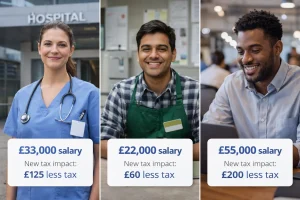
If you’re earning below around £33,500, the changes are meant to help. For someone earning £20,000, you might see about £40 more over the year, not life-changing, but not nothing either. People on Scotland’s median income (~£31,136) might see a similar improvement, around £24–£32 better off.
But it’s not uniform.
I overheard someone at a council drop-in say:
“Feels like they give with one hand and freeze with the other.”
If you’re earning more than £45,000, £60,000, or even £80,000, the frozen thresholds start to bite. That’s where the term fiscal drag comes in: even if you’re not getting a pay rise in real terms, inflation pushes wages up, and more of your income gets pulled into higher tax bands that haven’t moved.
Why Has the Scottish Government Introduced These Adjustments?
The aim? The government says it’s about fairness. The Finance Secretary described it as a balanced choice that helps most taxpayers while still funding services like the NHS and education. The Scottish Fiscal Commission forecasts £21.5 billion from income tax in 2026–27.
But there’s a feeling on the ground that some of us aren’t buying the full story.
A Dundee shopkeeper told me:
“It’s the same every year. They say it’s for fairness, but my take-home’s barely changed, and my bills keep going up.”
That kind of scepticism is common. And it’s understandable. For many of us, tax policy only feels real when we see a change on our payslip or in our monthly budget.
Are Scottish Taxpayers Paying More Compared to the Rest of the UK?
This question comes up a lot:
“Are we paying more than people in England?” The answer is: it depends.
- For over half of Scottish taxpayers, about 55–57% the answer is no, we actually pay less.
- That’s especially true for lower and middle earners, thanks to the increased lower thresholds.
But those above that £33,500–£45,000 range? We start paying more than our counterparts in the rest of the UK, mostly due to those frozen bands. It creates a kind of hidden progression. As wages grow, more of your income slips into higher brackets.
It’s something that feels especially noticeable when you compare two similar jobs, one in Glasgow, the other in Manchester and realise the Scottish one nets slightly less after tax.
How Do These Changes Fit into Scotland’s Long‑Term Budget Strategy?
If you’ve followed past Scottish Budgets, you’ll know this isn’t a sudden shift. It’s a continuation of adjusting thresholds here and there while keeping the general structure intact.
The Government’s using its devolved tax powers to gradually lean into progressivity. They want more from higher earners without changing tax rates. But by freezing certain thresholds, they’re also letting inflation do some of the heavy lifting.
I heard one local accountant put it this way:
“They’re using stealth more than strength. No big announcements, just slow, silent shifts.”
That’s about right. For now, this strategy avoids upheaval. But it also builds pressure on higher bands and could widen gaps over time.
What Should You Check or Do Next About Your 2026–27 Tax Situation?
Here’s what I’ll be doing, and you might want to as well:
- Double-check your PAYE code in spring 2026. It should reflect the new thresholds if you’re employed.
- If you’re self-employed, get ahead on forecasting your income. See where you’ll land in the bands.
- And if you’re close to the higher or advanced rate thresholds, factor in that they’re staying put while wages likely aren’t.
It’s not about panic, just planning. A little awareness now can save some stress later.
Final Thoughts on 2026–27 Scottish Income Tax Policy
In the end, the changes in the 2026–27 Scottish Income Tax structure are mostly small shifts, but they tell a story. A story of a government trying to walk a tightrope between funding services and not overburdening most taxpayers.
If you earn a modest or mid-range salary, you may not notice much difference. And for many, that’s a quiet win. But higher earners may feel squeezed, not because their rate changed but because the thresholds didn’t.
And from what I hear around me? People aren’t angry, just watchful. We’re used to taxes changing. But we like to know where we stand. And more importantly, we like to feel it’s worth it.
FAQs
How much more will I take home with the threshold increases?
For most people earning under £33,500, it’s about £20–£40 extra across the year. It’s small, but not insignificant.
Are tax rates changing at all?
No, the tax rates stay the same. It’s the thresholds, the income ranges for each rate, that are shifting or frozen.
Why are some thresholds frozen while others aren’t?
The Scottish Government is prioritising relief for low-to-middle earners while keeping upper bands fixed. That helps fund services without changing the tax rates.
How does fiscal drag affect me?
If your income rises but tax thresholds don’t, more of your money gets taxed at higher rates. That’s fiscal drag, and it’s more likely to affect higher earners under the current plan.
Do I pay more tax in Scotland than in England?
If you earn under about £33,500, you probably pay less. Over that, you might pay slightly more, depending on how thresholds and bands compare.
Do these changes affect pensions or dividends?
No, savings and dividend taxes are reserved to the UK Government and not affected by the Scottish thresholds.
Is this the final version of the 2026–27 income tax plan?
As of now, yes. But future adjustments could happen in later budget revisions, especially if economic conditions change.