

Energy Price Update: UK households are seeing a small drop in energy bills from April 2026, with the Ofgem price cap reducing the average annual bill to £1,641, down from £1,758. However, rising global gas prices and geopolitical tensions mean bills could increase again later in the year.
📉 April 2026 Change: Energy bills fall by around 7% due to the latest Ofgem price cap update and adjustments to energy levies.
🌍 Market Influence: Wholesale gas prices have surged globally due to Middle East tensions, which could push UK energy prices higher later in 2026.
⚠️ Important: Future energy price cap levels for July and October 2026 are not confirmed yet and will depend heavily on wholesale market conditions.
Energy Price Snapshot:
- Regulator: Ofgem energy price cap
- Current Average Bill: £1,641 per year (Apr–Jun 2026)
- Main Concern: Possible price increases later in 2026
- Key Drivers: Wholesale gas markets, geopolitics, infrastructure costs
Are Gas and Electric Prices Going Up in the Uk in 2026?
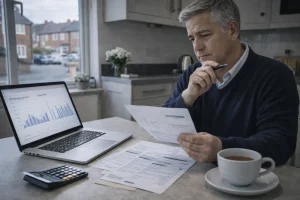
Energy bills in the UK are falling slightly at the start of April 2026, offering some short-term relief for households. The Ofgem energy price cap is decreasing, meaning the typical annual bill for a dual-fuel household paying by direct debit will drop from £1,758 to £1,641, which is around a 7% reduction.
This change affects millions of homes in England, Scotland, and Wales that are on standard variable tariffs. However, even with this reduction, energy costs remain significantly higher than they were before the global energy crisis in 2022.
Prime Minister Sir Keir Starmer highlighted the government’s intention to ease the pressure on households, stating:
“Energy bills are coming down by £117. For millions of families struggling with the cost of living, that is guaranteed money off their bills.”
Despite the April decrease, the outlook for the rest of 2026 is uncertain. Global gas markets remain volatile, and analysts believe energy bills may increase again later in the year if wholesale prices continue to rise.
Why Are Gas and Electricity Prices Changing in the UK This Year?
Several factors influence energy prices in the UK. Unlike many other household costs, electricity and gas prices are closely tied to global markets, political events, and domestic infrastructure costs.
Some of the key reasons energy prices are changing in 2026 include:
- Wholesale gas price fluctuations in international markets
- Supply disruptions linked to geopolitical tensions, particularly in the Middle East
- The UK’s reliance on imported gas from countries such as Norway and Qatar
- Government policy changes, including the removal or adjustment of energy levies
- Long-term investment in the UK energy grid, which is expected to cost around £28 billion
According to energy consultancy Cornwall Insight, the UK remains highly exposed to global price movements.
Dr Craig Lowrey, a principal consultant at the firm, explained:
“This forecast highlights how exposed UK households remain to international energy markets and how quickly wholesale prices can influence future bills.”
Because gas plays such a major role in electricity generation in the UK, increases in gas prices can quickly affect both heating costs and electricity bills.
What is the Ofgem Energy Price Cap for April to June 2026?
The Ofgem energy price cap is designed to limit how much energy suppliers can charge households on default tariffs. However, it is important to understand that the cap does not limit your total bill. Instead, it sets a maximum unit price for gas and electricity.
Your actual energy bill still depends on how much energy you use.
From April to June 2026, the cap is set at an average annual cost of £1,641 for a typical household, representing a reduction from the previous quarter.
Current and New Price Cap Rates
| Period | Typical Annual Bill | Electricity Unit Rate | Gas Unit Rate |
| Jan – Mar 2026 | £1,758 | 27.69p per kWh | 5.93p per kWh |
| Apr – Jun 2026 | £1,641 | 24.67p per kWh | 5.74p per kWh |
The reduction is partly due to the government shifting some energy levies from household bills into general taxation. This change helps lower the average bill slightly, although infrastructure costs still remain.
Will Gas and Electric Prices Rise Again Later in 2026?

While April brings a modest reduction, forecasts suggest the next energy price cap update could increase again.
Energy consultancy Cornwall Insight predicts that the price cap for July 2026 could reach around £1,801 per year if current wholesale gas prices remain elevated.
Other suppliers such as EDF and British Gas expect smaller increases, potentially placing the cap somewhere between £1,706 and £1,710.
The reason for this uncertainty is that Ofgem calculates the price cap using average wholesale energy prices over several months. If global gas markets stabilise, the predicted increase may be smaller than expected.
However, if supply disruptions continue, households could see their bills rise again by the summer or autumn.
Why is the Middle East Conflict Affecting UK Energy Bills?
One major factor influencing energy prices in 2026 is the recent escalation of conflict in the Middle East. Although the UK is thousands of miles away, global energy markets are closely connected.
Global Supply Disruption
The conflict has disrupted shipping routes and energy exports, particularly through the Strait of Hormuz, a key passage for oil and liquefied natural gas (LNG).
Around 20% of the world’s oil and gas supply passes through this region, meaning disruptions can quickly affect global prices.
Impact on UK Wholesale Gas Prices
The UK imports a significant portion of its gas supply, making it particularly sensitive to international market changes.
As global supply tightens, wholesale gas prices increase, which then pushes up electricity prices because gas-fired power stations often determine the wholesale cost of electricity.
Money-saving expert Martin Lewis recently warned about the situation, saying:
“Gas prices have roughly doubled since the conflict escalated, and how long they stay elevated will be just as important as how high they rise.”
For UK households, this means that even distant geopolitical events can eventually translate into higher energy bills.
Are Fixed Energy Tariffs Becoming More Expensive in 2026?
Yes, fixed energy tariffs have already started increasing due to rising wholesale prices. Suppliers often adjust or withdraw tariffs when markets become unstable to avoid selling energy at a loss.
Recent reports show that:
- The cheapest fixed deal increased by about £131 within a week.
- UK gas futures nearly doubled from 77.93p per therm to around 155p.
- The number of available fixed tariffs dropped significantly as suppliers reassessed risk.
Ben Gallizzi, energy expert at Uswitch, explained the situation clearly:
“If volatility continues, suppliers will keep updating the prices of new fixed deals to reflect wholesale markets.”
Households currently on fixed deals are protected from price rises until their contract ends, but new customers may find fewer cheap options available.
Should You Fix Your Gas and Electricity Prices in 2026?
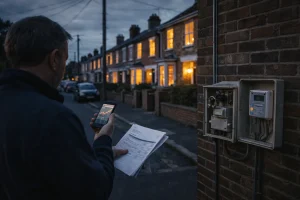
Deciding whether to switch to a fixed tariff depends on your financial situation, risk tolerance, and how long you want certainty over your energy bills.
When Fixing Your Tariff May Make Sense
Some households prefer fixed deals because they provide predictable monthly costs.
Fixing your tariff could be helpful if:
- You want protection against potential price increases later in the year
- You prefer predictable household budgeting
- Your current tariff is close to the expected future price cap
Factors to Check Before Choosing a Fixed Deal
Before switching, it is important to look beyond the headline price and consider the overall contract.
- Exit fees if you leave early
- Standing charges and unit rates
- Contract length (12 or 24 months)
- Smart meter requirements for certain tariffs
Energy experts often recommend comparing tariffs carefully rather than rushing into a deal during periods of market volatility.
How Can You Reduce Your Gas and Electricity Bills in 2026?
Even if energy prices fluctuate, there are still ways to keep household energy costs under control.
Many households have already begun adopting simple strategies to manage their energy use more efficiently. These include improving insulation, switching tariffs, and monitoring energy usage more closely.
Practical ways to lower household energy costs:
- Compare tariffs regularly using energy comparison tools
- Submit accurate meter readings to avoid estimated bills
- Use appliances during off-peak hours where possible
- Improve home insulation and draught proofing
- Monitor energy usage through smart meters
A good example comes from Mark, a homeowner in Manchester, who recently switched from a variable tariff to a 12-month fixed deal after comparing options online.
According to his review shared on an energy comparison site, the switch reduced his monthly payments by around £20 per month, while also giving him price certainty during a volatile market.
Stories like this show that small changes in tariff choice or energy habits can make a noticeable difference over the course of a year.
What is the Long-term Outlook for UK Gas and Electricity Prices?

Although short-term price movements often dominate headlines, the long-term outlook for UK energy costs is shaped by structural changes in the energy system.
The government and regulators are investing heavily in upgrading the UK’s energy infrastructure to support renewable power and improve energy security.
These upgrades are expected to cost around £28 billion, and some of those costs will eventually be reflected in household bills.
Long-term Energy Price Pressures
| Factor | Impact on Bills |
| Energy grid upgrades | Increased infrastructure costs |
| Renewable energy expansion | Potential long-term savings |
| Global gas market volatility | Short-term price fluctuations |
| Reduced fossil fuel reliance | Greater long-term stability |
Ofgem estimates that infrastructure investment could add roughly £30 per year to the average household bill by 2031, although improved efficiency and renewable energy generation could offset some of those costs in the future.
What Should Uk Households Expect From Gas and Electricity Prices Going Forward?
Looking ahead, UK energy prices are unlikely to follow a simple upward or downward trend. Instead, households should expect periods of fluctuation driven by global energy markets, political events, and domestic policy changes.
For now, the April 2026 reduction offers a small break for households, but the rest of the year remains uncertain. Monitoring tariff options, understanding how the energy price cap works, and improving energy efficiency can all help manage rising costs.
Ultimately, the question “are gas and electric prices going up in UK 2026?” does not have a straightforward answer. Prices are falling slightly in the short term but could rise again depending on global supply conditions and wholesale gas prices.
Staying informed and comparing energy deals regularly will be the best strategy for navigating the evolving energy market.
Conclusion
Gas and electricity prices in the UK are seeing a small drop in April 2026, with the Ofgem price cap lowering the typical household bill to around £1,641.
However, the outlook for the rest of the year remains uncertain due to global gas market volatility, geopolitical tensions, and ongoing energy infrastructure investments. Forecasts suggest prices could rise again later in 2026 if wholesale gas costs remain high.
For households, staying informed, comparing tariffs regularly, and improving energy efficiency can help manage costs and reduce the impact of future energy price changes
Frequently Asked Questions
How often does the Ofgem energy price cap change?
The Ofgem energy price cap is updated every three months. The regulator reviews wholesale energy prices and other market costs before setting new limits on gas and electricity unit rates.
Why does gas influence electricity prices in the UK?
Gas-fired power stations often set the wholesale price of electricity in the UK energy market. When gas prices increase, electricity prices usually rise as well.
Do fixed tariffs protect you from price increases?
Yes. Fixed tariffs lock in your energy unit rates for the duration of the contract, meaning your price will not change even if the energy price cap increases.
Can switching energy suppliers reduce energy bills?
Switching suppliers can sometimes reduce your bill if you find a cheaper tariff. Comparison websites allow households to check available deals based on location and energy usage.
What support is available for people struggling with energy bills?
Support schemes include the Warm Home Discount, Winter Fuel Payment, and supplier hardship grants such as the British Gas Energy Trust or Octopus Energy’s assistance programmes.
Are smart meters required for some tariffs?
Some modern tariffs, especially time-of-use tariffs, require smart meters because they track energy usage at different times of day.
Why are energy bills still higher than before 2022?
Energy bills remain higher due to global gas market changes, infrastructure investment, and the long-term transition toward renewable energy systems.