
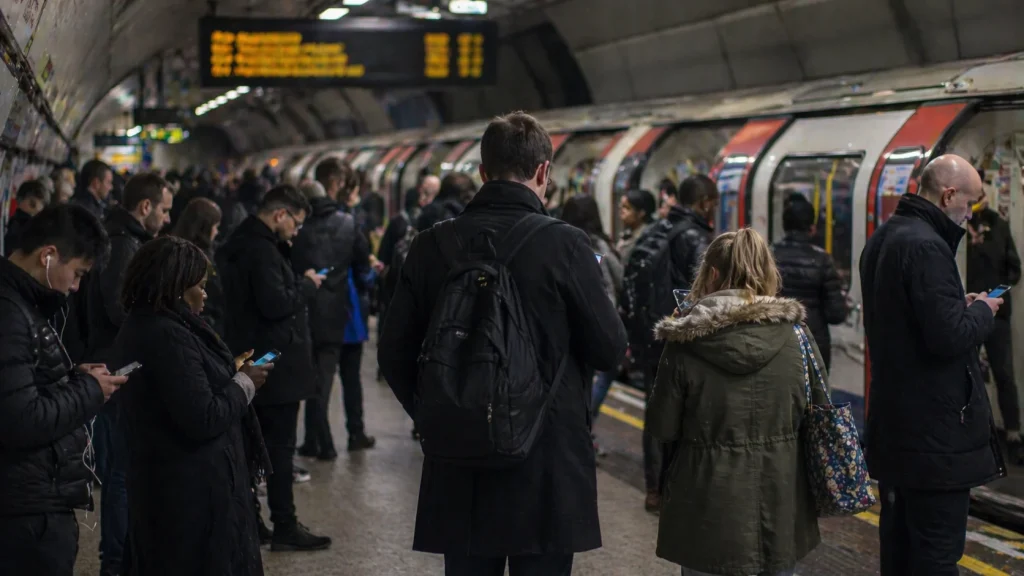
Live Status Update (Friday, April 24, 2026): As of 2:00 PM today, London Underground services are in a “Recovery Phase” following the 12:00 PM conclusion of the RMT strike. While the Circle and Piccadilly lines remain fully suspended, and the Central line is closed between White City and Liverpool Street, other lines are beginning to resume service with severe delays. Expect significant disruption until late this evening.
What Are the Latest Updates on the London Tube Strikes Today?

London Tube strikes today are part of ongoing industrial action involving Transport for London (TfL) staff, typically linked to disputes over pay, pensions, and working conditions.
These strikes can vary in intensity, meaning some days see complete shutdowns, while others involve partial service disruptions across multiple lines.
Travellers across London are experiencing delays, cancellations, and station closures. TfL usually releases updated service information early in the morning and continues to provide live updates throughout the day.
However, conditions can change rapidly, especially during peak commuting times when passenger demand is highest.
The Dispute: Why are Drivers Walking Out?
The current industrial action is led by the RMT union in opposition to a Transport for London (TfL) proposal to introduce a compressed four-day working week.
While TfL argues this move is a voluntary way to improve reliability and provide driver flexibility, the RMT has raised serious concerns regarding:
- Driver Fatigue: Longer shifts could lead to exhaustion and compromise passenger safety.
- Shift Flexibility: The union argues the 14-page proposal reduces the ability for drivers to transfer depots and could lead to shifts being changed with as little as 24 hours’ notice.
Future Strike Dates Confirmed for 2026:
- May: Tuesday 19th – Wednesday 20th; Thursday 21st – Friday 22nd.
- June: Tuesday 16th – Wednesday 17th; Thursday 18th – Friday 19th.
Overview of Current Strike Disruptions
Strike disruptions often begin early in the morning and may continue into the late evening. In many cases, only a limited number of trains operate on selected routes, and interchange stations can become overcrowded.
This creates a ripple effect across the entire London transport network, including buses and overground services.
In addition, staffing shortages during strike days mean that even lines not officially closed may still experience delays. Station closures are also common, particularly in central London areas where passenger traffic is highest. Travellers are advised to allow extra time and remain flexible with their routes.
Which London Underground Lines Are Closed or Affected Today?
London tube strikes today typically impact several major lines, with some completely closed and others running reduced services. The exact lines affected can vary depending on the unions involved and the level of participation in the strike.
Below is a general overview of how lines are usually affected during strike action:
| Line Name | Status for Today (April 24) | Alternative Recommendation |
| Circle Line | No Service | Use District Line (Severe Delays) or Bus |
| Piccadilly Line | No Service | Elizabeth Line for Heathrow |
| Central Line | Partially Closed | Closed White City to Liverpool St |
| Northern Line | Severe Delays | Highbury & Islington Overground |
| Elizabeth Line | Running Normally | Use as primary cross-London route |
| DLR / Overground | Running Normally | Expect heavy crowding |
Overview of Affected Lines and Service Disruptions
The Central and Northern lines are often among the most severely impacted due to their size and reliance on a large workforce.
When strike participation is high, these lines may be entirely suspended for long periods. This creates major travel challenges for commuters travelling across key zones.
Other lines, such as the Jubilee and District lines, may still operate but with fewer trains and longer waiting times. This can lead to overcrowding and extended journey durations, particularly during rush hours. Even when services appear operational, the reduced frequency can significantly impact reliability.
“James Holloway, Transport Operations Analyst: ‘When multiple Underground lines are disrupted simultaneously, the pressure shifts to fewer operational routes, creating bottlenecks that can double typical journey times across central London.’”
Why Are There London Tube Strikes Today?

London tube strikes today are usually the result of disputes between TfL and trade unions representing Underground workers. These disputes often centre around issues such as pay increases, job security, pension changes, and working conditions.
Strike action is typically announced in advance, giving commuters some time to prepare. However, negotiations between unions and TfL can break down at any time, leading to extended or repeated strike periods.
Causes of Industrial Action and Union Disputes
One of the main drivers behind tube strikes is disagreement over wages and cost-of-living adjustments. With inflation impacting living expenses across the UK, transport workers often demand pay rises that reflect current economic conditions. TfL, on the other hand, faces budget constraints that limit its ability to meet these demands.
Another significant factor is job security. Proposed restructuring or staffing changes can lead to concerns about redundancies or altered working conditions.
These concerns often escalate into industrial action when agreements cannot be reached through negotiation.
How Are Commuters Affected by London Underground Strikes Today?
London tube strikes today significantly disrupt the daily routines of commuters, tourists, and businesses. With fewer trains running and some lines completely shut down, travel becomes unpredictable and often stressful.
Many commuters are forced to seek alternative routes, which can increase travel time and costs. Congestion on buses and roads also rises, leading to delays across the wider transport network.
Impact on Daily Travel and Peak Hours
Peak hours are particularly challenging during strike days. With thousands of commuters attempting to use limited services, overcrowding becomes a major issue. Stations may implement crowd control measures, including temporary closures, to ensure passenger safety.
Additionally, longer waiting times and inconsistent service schedules make it difficult for commuters to plan their journeys. This uncertainty can impact work schedules, appointments, and overall productivity throughout the day.
“Sarah Collins, Urban Mobility Consultant: ‘Tube strikes don’t just affect transport they disrupt the economic rhythm of the city, as delayed commutes often translate into reduced workplace efficiency and missed opportunities.’”
What Alternatives Are Available During London Tube Strikes Today?
When London tube strikes today limit Underground services, commuters must rely on alternative modes of transport. Fortunately, London offers several options, although these can become crowded during strike periods.
Other Transport Options Across London
Buses are the most widely used alternative during tube strikes. TfL often increases bus frequency to accommodate higher demand, but overcrowding is still common, particularly on routes that mirror Underground lines.
Cycling is another popular option, with many commuters turning to bike-sharing schemes. Walking is also viable for shorter distances, especially within central London zones. Additionally, taxis and ride-sharing services are available but may be more expensive due to increased demand.
| Transport Option | Availability | Pros | Cons |
| Buses | High | Widely accessible | Overcrowded |
| Cycling | Medium | Cost-effective | Weather dependent |
| Walking | High | Free and reliable | Time-consuming |
| Taxis/Rideshare | Medium | Convenient | Expensive |
Red Alert: East London Bus Strikes (April 24) If you are traveling through East or Central London today, be aware that a separate dispute involving the Unite union at the Bow Bus Garage is causing severe disruption.
While most of the London bus network is running, 7 specific routes are heavily impacted:
- Affected Routes: 8, 25, 205, 425, N8, N25, and N205.
- Why: Drivers are striking over concerns regarding long-distance shifts without adequate rest breaks.
- Travel Tip: The Elizabeth Line and DLR remain your most reliable alternatives for travel between Stratford, Bow, and Central London today.
How Can You Check Live Updates for London Tube Strikes Today?
Staying informed during London tube strikes today is essential for minimising disruption. TfL provides multiple channels for real-time updates, ensuring commuters can adjust their travel plans accordingly.
Reliable Sources for Real-time Information
The TfL website and mobile app are the most reliable sources for live service updates. These platforms provide detailed information about line status, delays, and station closures. Social media channels, particularly Twitter (X), also offer timely updates.
In addition, news outlets and radio stations frequently broadcast transport updates during strike days. Using multiple sources can help commuters gain a clearer understanding of the situation and make informed decisions.
Are London Buses and Other Transport Services Running Normally Today?
During London tube strikes today, buses and other transport services generally continue to operate, but they often face increased demand. TfL usually attempts to maintain normal bus operations while adjusting schedules to handle additional passengers.
However, even with these efforts, delays are common due to traffic congestion and higher passenger volumes.
Impact on Buses and Overground Services
London Overground and National Rail services may experience increased usage as commuters seek alternatives to the Underground. While these services typically run as scheduled, overcrowding can affect punctuality.
Buses, although more frequent during strike periods, can become extremely crowded, particularly in central London. Travel times may increase significantly due to both passenger demand and road congestion.
What Should You Do to Prepare for London Tube Disruptions Today?
Preparation is key when dealing with London tube strikes today. Planning ahead can help reduce stress and ensure a smoother journey despite disruptions.
Travel Planning and Safety Considerations
Commuters are encouraged to check routes in advance and allow extra travel time. Flexible working arrangements, such as remote work, can also help minimise the impact of travel disruptions.
It is also important to consider safety, particularly in crowded areas. Staying aware of surroundings and following TfL guidance can help ensure a safer journey during busy periods.
- Check TfL updates before leaving
- Plan alternative routes
- Travel outside peak hours if possible
- Consider remote working options
When Will London Tube Services Return to Normal After the Strike?
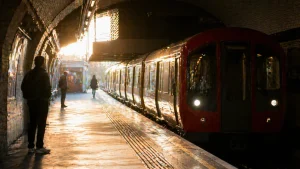
The return to normal service after London tube strikes today depends on the duration and scale of the industrial action. In some cases, services resume quickly once the strike ends, but delays can persist into the following day.
Service Recovery and Delays
Service recovery is often gradual, as trains and staff need to be repositioned across the network. This means that even after strikes officially end, some lines may continue to experience delays and reduced services.
Passengers are advised to continue checking updates even after the strike period, as full service restoration can take time.
| Phase | Service Condition | Duration Estimate |
| During Strike | Severe disruption | Full day |
| Immediate After | Partial recovery | 6–12 hours |
| Full Recovery | Normal service resumes | 12–24 hours |
“David Mercer, Rail Systems Specialist: ‘Service recovery after a tube strike is rarely immediate, as operational resets require careful coordination across depots, staff schedules, and rolling stock availability.’”
Conclusion
London tube strikes today create widespread disruption across the capital, affecting multiple Underground lines and forcing commuters to adapt quickly.
While some lines may remain partially operational, many experience closures or reduced services, especially during peak hours. Staying informed through TfL updates and planning alternative routes can make a significant difference in managing travel effectively.
Although disruptions are challenging, understanding which lines are affected and preparing in advance helps reduce stress and maintain productivity during strike periods.
FAQs
What time do London tube strikes usually start?
Tube strikes typically begin early in the morning, often around midnight or the start of service, and can last for 24 hours or longer depending on the industrial action.
Are all London Underground lines closed during strikes?
Not all lines are closed, but many experience severe delays or reduced services. The extent of disruption depends on the level of staff participation.
Can I still use my Oyster card during tube strikes?
Yes, Oyster cards and contactless payments remain valid on all operating services, including buses and Overground trains.
Do buses replace tube services during strikes?
Buses continue to run and may increase frequency, but they do not fully replace Underground capacity, leading to overcrowding.
Is it better to avoid travelling during tube strikes?
If possible, avoiding travel or working remotely is recommended, especially during peak hours when disruption is highest.
Are taxis more expensive during tube strikes?
Taxi and ride-sharing prices can increase due to higher demand, particularly during busy periods.
How often do London tube strikes happen?
Tube strikes occur periodically, often linked to ongoing disputes between TfL and unions, and can happen several times a year depending on negotiations.