Why Are NCP Car Park Closures Increasing Across the UK?
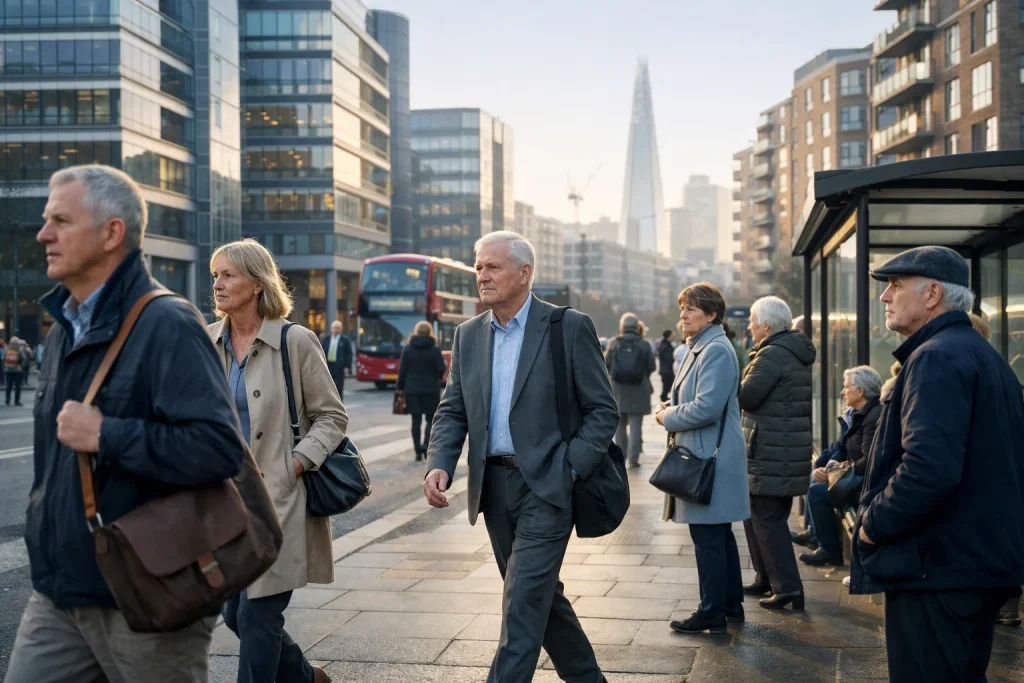
 The rise in NCP car park closures is closely tied to evolving urban priorities across the UK. City councils and developers are increasingly focusing on maximising land value, particularly in high-demand areas such as central London. Large surface and multi-storey car parks often occupy prime real estate, making them attractive targets for redevelopment into residential apartments, office spaces, or mixed-use developments. At the same time, there is a growing emphasis on reducing car dependency in urban centres. Government policies promoting public transport, cycling infrastructure, and low-emission zones have reduced reliance on private vehicles. This shift has decreased demand for long-stay parking in certain areas, making some NCP locations less financially viable to maintain.
Which NCP Car Parks are Closing?
Latest Confirmed Closures (March – April 2026) Below is the official list of NCP sites that have closed or are scheduled for closure as part of the 2026 restructuring:
- London: Kings Cross St Pancras, Knightsbridge, Harley Street (Portland Place), and Bexley Royal Oak Road.
- The Midlands: Birmingham (Gough Street), Leicester (Abbey Street, Lee Circle, Rutland Centre, St Nicholas Circle), and Coventry (Belgrade Plaza).
- North & East: Manchester (Cotton Street – Ashton), Sheffield (Blonk Street), and Grantham Station 1-3.
- South & West: Bristol (Nelson Street), Bournemouth (Hinton Road), and Exeter (Market Street).
- Northern Ireland: Belfast (Dublin Road).
- Closing April 30, 2026: Kidderminster (Swan Centre), Southampton (Portland), Chester (Browns Yard), Bradford (Southgate), and Nottingham (Huntingdon).
Key Reasons Behind NCP Car Park Closures in the UK
| Factor | Description | Impact on Parking Availability |
| Urban redevelopment | Conversion of car parks into housing or commercial buildings | Significant reduction |
| Sustainability policies | Encouraging public transport and low-emission travel | Gradual decline |
| High operational costs | Maintenance and staffing expenses increasing | Selective closures |
| Changing commuter behaviour | More remote work and flexible schedules | Reduced demand |
| Land value appreciation | Higher returns from property development | Permanent closures |
“James Holloway, Urban Planning Consultant, noted: ‘City centre car parks are increasingly viewed as underutilised assets, especially when compared to the economic return of residential or commercial developments.’”
Which NCP Car Parks Have Recently Closed in London?
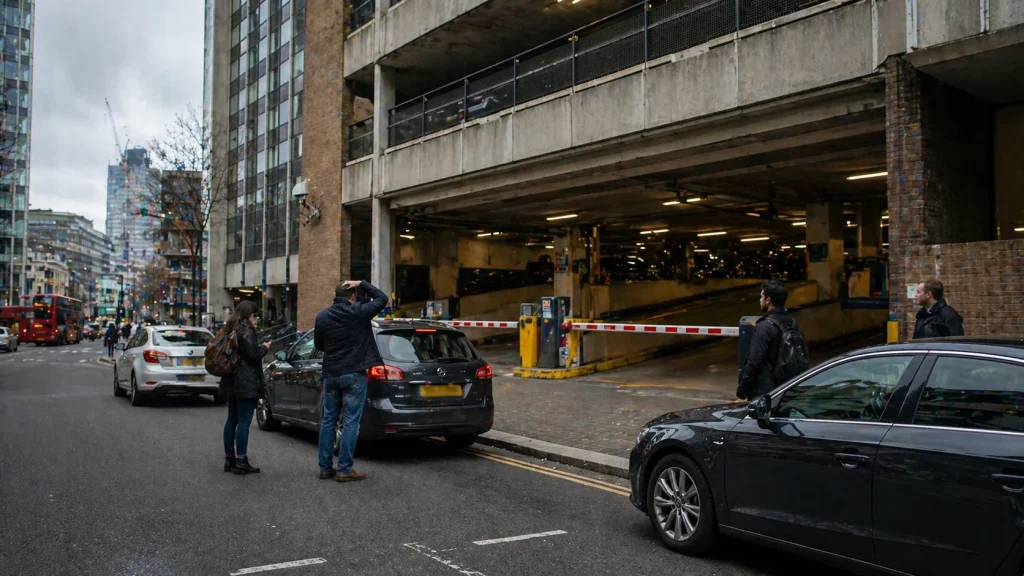
London has witnessed some of the most notable NCP car park closures, particularly in central zones where land demand is highest. Areas such as Westminster, Camden, and parts of the City of London have seen car parks either permanently shut down or earmarked for redevelopment. These closures often occur with little long-term notice, as planning approvals and development deals move quickly. The impact on commuters has been immediate. Following the initial wave of 22 closures on March 27, 2026, and the subsequent 4 closures on April 16, drivers who previously relied on these facilities now face limited parking availability, higher prices at remaining sites, and increased congestion. This is particularly evident in central zones like Knightsbridge and Kings Cross, which were among the first locations to shutter permanently.
Notable London NCP Closures and Affected Areas
Several NCP sites in London have been closed or repurposed over recent years, reflecting broader redevelopment trends. Locations near transport hubs and commercial districts are especially vulnerable due to their high land value. In many cases, these closures are part of larger regeneration projects. Former car park spaces are being transformed into residential towers or mixed-use developments, aligning with London’s housing demand and economic growth strategies. While beneficial in the long term, these changes reduce short-term parking availability. While high-profile sites like Harley Street (Portland Place) have already transitioned to the closure list, the impact is far from over. Of the 145 sites currently designated as “at risk” by administrators, a significant portion remains located in the London boroughs of Westminster and Camden, where land value is most competitive.
Impact on Commuters and City Traffic
The closure of key NCP locations has led to increased pressure on remaining parking infrastructure. Drivers often spend more time searching for available spaces, contributing to congestion and emissions. This contradicts some sustainability goals, creating a complex balance between policy and practicality. Additionally, the shift has encouraged some commuters to reconsider their travel methods. While public transport usage has increased in certain areas, others still face challenges due to limited connectivity or convenience.
What Are the Latest NCP Car Park Closures in Major UK Cities?
 Beyond London, NCP car park closures are also affecting major UK cities such as Manchester, Birmingham, and Preston. These cities are undergoing rapid transformation, with local authorities prioritising regeneration and infrastructure improvements. In regional cities, closures may not always receive the same level of attention as in London, but their impact is equally significant. Reduced parking capacity can affect city centre accessibility, particularly for those commuting from surrounding areas.
Recent Trends in NCP Car Park Closures Across UK Cities
| City / Region | Closure Trend | Key Reason | Impact & Current Status |
| London | High | Redevelopment & Land Value | Severe: Key sites like Kings Cross and Knightsbridge are closed; many others remain “at-risk”. |
| Manchester | Moderate | Urban Regeneration | Moderate: Cotton Street (Ashton) has closed; central facilities are being reviewed for commercial growth. |
| Birmingham | Moderate | Infrastructure Upgrades | Moderate: Gough Street is closed; transport improvements are reducing central parking reliance. |
| Preston | Emerging | Local Development | Growing: While core sites remain open, they are now monitored under the nationwide “at-risk” list. |
| Upcoming (April 30) | Critical | Restructuring Wave | Immediate: 5 sites (Chester, Bradford, Nottingham, etc.) close at midnight tonight. |
| National Overview | Systemic | Administration (PwC) | 145 Sites At-Risk: Approximately 40% of the remaining estate is under active review. |
“Sarah Collins, Transport Analyst, explained: ‘Regional cities like Preston are now experiencing similar pressures to London, as redevelopment and modernisation reshape how parking infrastructure is used.’”
Manchester, Birmingham and Other Key Locations
Manchester and Birmingham have both seen strategic closures of NCP sites as part of broader urban regeneration plans. In Manchester, city centre expansion and commercial growth have driven the repurposing of parking facilities. Birmingham has also prioritised infrastructure upgrades, including transport improvements that reduce reliance on central parking. While these developments support long-term growth, they require short-term adjustments for drivers and businesses. This trend is accelerating in the surrounding regions; for instance, Southampton Portland and Kidderminster Swan Centre are both scheduled to cease operations permanently at midnight on April 30, 2026.
Preston and Regional Parking Changes
Preston represents a growing example of how smaller cities are adapting to these trends. As development projects increase, certain parking facilities are being reviewed or replaced to accommodate new infrastructure. This shift may lead to improved urban layouts and economic opportunities, but it also requires careful planning to ensure that parking demand is still adequately met. Local drivers may need to explore alternative parking arrangements as changes continue. While sites in Preston are currently listed as “Emerging” in terms of closure trends , local drivers must monitor the 145-site “at-risk” list managed by PwC, as regional hubs with older infrastructure are prime candidates for the next phase of restructuring.
How Do NCP Parking Closures Affect Daily Commuters?
The impact of NCP car park closures on daily commuters is both immediate and long-term. In the short term, drivers face reduced parking availability, increased costs, and longer travel times due to the need to find alternative spaces. Over time, these changes can influence commuting habits. Some individuals may transition to public transport or car-sharing options, while others may adjust their work schedules to avoid peak parking demand.
Pros and Cons of NCP Car Park Closures for Commuters
| Pros | Cons |
| Encourages public transport use | Reduced parking availability |
| Supports environmental goals | Increased parking costs |
| Frees land for development | Longer commute times |
| Promotes alternative mobility options | Greater congestion in remaining car parks |
“David Turner, Mobility Strategist, stated: ‘While closures can disrupt routines, they also accelerate the shift towards more sustainable and efficient transport systems in urban areas.’”
Changes in Parking Availability
With fewer NCP car parks available, remaining facilities often experience higher demand. This can result in limited availability during peak hours and increased competition for spaces. Drivers may need to plan journeys more carefully, including pre-booking parking or arriving earlier to secure a spot. These adjustments can add complexity to daily routines.
Increased Demand for Alternative Parking
As traditional NCP options decline, alternative parking providers and digital platforms have gained popularity. These services offer flexible booking options and real-time availability, helping to offset some of the challenges caused by closures. However, these alternatives may not always be as conveniently located or cost-effective, particularly in high-demand city centre areas.
What Are the Main Reasons Behind National Car Parks Closures?
 The main drivers behind National Car Parks closures include economic, environmental, and social factors. Rising maintenance costs and ageing infrastructure make some sites financially unsustainable. At the same time, government initiatives aimed at reducing carbon emissions have encouraged cities to limit car usage. This has led to a strategic reduction in parking facilities, particularly in densely populated areas.
Rising Operational Costs and Maintenance
Maintaining large car parks involves significant expenses, including staffing, security, and structural upkeep. Older facilities may require costly renovations to meet modern safety and accessibility standards. When combined with declining demand in certain areas, these costs can make continued operation unviable, leading to closures or redevelopment.
Shift Towards Sustainable Transport Solutions
Sustainability has become a key focus for urban planning in the UK. Policies promoting cycling, walking, and public transport aim to reduce reliance on private vehicles. As a result, parking infrastructure is being scaled back in favour of greener alternatives. While beneficial for the environment, this shift requires careful management to avoid disrupting daily travel.
Are There Any Alternatives to NCP Car Parks in the UK?
With the rise in NCP car park closures, drivers are increasingly exploring alternative parking solutions. Public transport remains the most widely promoted option, particularly in cities with strong connectivity. Private parking providers and mobile apps have also emerged as viable alternatives. These platforms allow users to locate and book spaces in advance, offering greater flexibility and convenience.
How Is the UK Parking Industry Changing in Response to Closures?
 The UK parking industry is evolving rapidly in response to NCP car park closures. Digitalisation has transformed how drivers interact with parking services, with mobile apps and automated systems becoming more common. At the same time, there is a growing focus on integrating parking with broader transport networks. This includes park-and-ride schemes and smart city initiatives designed to optimise traffic flow.
What Should Drivers Do When Facing NCP Car Park Closures?
Drivers affected by NCP car park closures should consider planning journeys in advance and exploring alternative transport options. Checking availability through apps and booking ahead can help reduce uncertainty. Adapting to changing conditions may require flexibility, but it also presents an opportunity to adopt more efficient and sustainable travel habits.
Will More NCP Car Parks Close in the Future?
Future NCP car park closures are likely as urban development and sustainability goals continue to shape UK cities. While not all locations will be affected, the overall trend suggests a gradual reduction in traditional parking infrastructure. This shift highlights the importance of forward planning for both commuters and city planners.
Conclusion
The rise in NCP car park closures across London and the UK reflects a significant transformation in urban planning and transport priorities. While these closures present challenges for drivers, they also align with broader goals of sustainability and efficient land use. Cities are evolving to accommodate changing lifestyles, reduced car dependency, and increased demand for housing and commercial spaces. For commuters, adapting to these changes is essential, whether through alternative parking solutions or different modes of transport. As the trend continues, understanding its implications will help individuals and businesses navigate the evolving parking landscape more effectively.
FAQs
What is causing the increase in NCP car park closures in the UK?
The increase is largely due to urban redevelopment, rising operational costs, and government policies promoting sustainable transport. These factors make some car parks less viable to operate.
Are NCP closures permanent or temporary?
Most closures are permanent, especially when linked to redevelopment projects. However, some may be temporary if related to maintenance or short-term planning changes.
How do NCP car park closures affect city traffic?
Closures can increase congestion as drivers search for alternative parking. This may lead to longer travel times and higher emissions in the short term.
What alternatives are available to NCP parking?
Drivers can use public transport, park-and-ride services, or private parking apps that offer pre-booked spaces and real-time availability.
Are smaller cities like Preston affected by parking closures?
Yes, smaller cities are increasingly experiencing similar trends due to local development and infrastructure improvements.
Will parking prices increase due to NCP closures?
In many cases, reduced supply leads to higher demand, which can result in increased parking costs in remaining facilities.
How can drivers prepare for future parking changes?
Planning ahead, using digital tools, and considering alternative transport options can help drivers adapt to ongoing changes in parking availability.