What Happened During the Armed Teenagers Police Chase in Preston?
The incident involving armed teenagers leading police on a car chase in Preston began early in the morning, creating immediate concern among residents and authorities.
Reports were made at approximately 8:21am regarding a group of teenagers allegedly carrying weapons in the New Hall Lane area. Such reports trigger urgent police attention due to the potential threat to public safety, especially in populated urban environments.
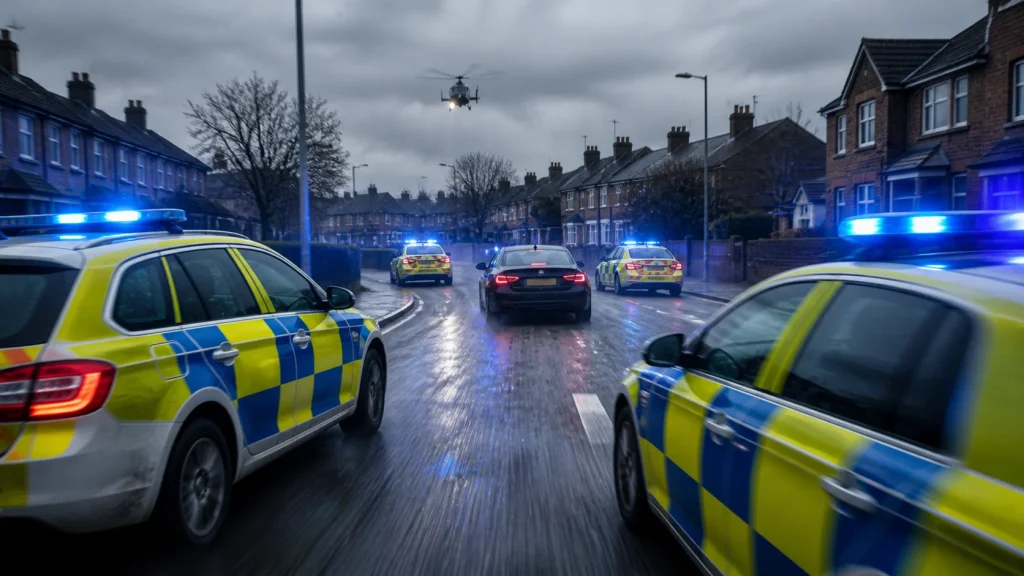
Shortly after being spotted, the group entered a vehicle and attempted to leave the scene. Police quickly located the car on Cromwell Road and instructed the driver to stop.
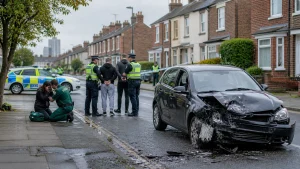
However, the vehicle failed to comply, resulting in a short but dangerous pursuit. The situation escalated when the fleeing car collided with a pedestrian before eventually coming to a stop.
Fortunately, the pedestrian did not suffer serious injuries, though the risk to life was significant.
Five males were arrested on suspicion of affray and possession of offensive weapons. Authorities confirmed that weapons were recovered, strengthening the seriousness of the charges.
The police also clarified that the incident appeared to be isolated, involving individuals known to each other, rather than a broader public threat. Increased patrols were deployed in the area to reassure the community and maintain order.
How Did Police Respond to Reports of Armed Teenagers in the UK?
When police receive reports of armed teenagers, particularly in public areas, their response is both immediate and highly structured.
Armed individuals present a heightened level of risk, which means officers must act quickly while maintaining control over the situation. In the Preston case, officers were dispatched promptly after receiving credible reports, demonstrating the efficiency of emergency response systems.
The initial priority is to locate and assess the suspects while preventing escalation. Officers use intelligence, communication systems, and patrol coordination to track movements.
Once the suspects entered a vehicle, the situation shifted into a mobile risk scenario, requiring pursuit-trained officers to take over.
“Chief Inspector Mark Reynolds explains: “When firearms or weapons are suspected, every second matters. Our officers are trained to balance rapid response with careful judgement to ensure the safety of the public remains the top priority throughout the incident.””
Police also begin gathering evidence early, including witness accounts and CCTV footage. This ensures that even if suspects temporarily evade capture, there is sufficient information to support arrests and prosecution later. The structured and disciplined approach ensures that incidents are managed without unnecessary escalation.
Why Do Armed Teenagers Lead Police on Dangerous Car Chases?
Understanding why armed teenagers engage in dangerous behaviour such as fleeing police is complex and often linked to a combination of social, psychological, and environmental factors.
In many cases, fear of legal consequences plays a significant role. Teenagers involved in criminal activity may panic when confronted by police, leading to impulsive decisions like attempting to escape.
Peer influence is another major factor. Group dynamics can encourage risky behaviour, especially when individuals seek approval or fear judgement from others.
The presence of weapons further escalates the situation, as individuals may feel they have more to lose if caught.
Additionally, a lack of awareness about the consequences of such actions can contribute to these incidents.
Many young offenders do not fully understand the severity of charges like affray, possession of weapons, or dangerous driving. This lack of understanding often results in poor decision-making under pressure.
How Do UK Police Handle High-Speed Pursuits Safely?
High-speed pursuits in the UK are governed by strict regulations designed to minimise risk while allowing law enforcement to apprehend suspects effectively.
Only specially trained officers are permitted to engage in pursuits, and they must follow national guidelines that emphasise safety and proportionality.
Tactical pursuit and containment methods
Tactical Pursuit and Containment (TPAC) is one of the most commonly used strategies in the UK. This method involves multiple police vehicles working together to control and gradually slow down a suspect vehicle. Officers coordinate movements to box in the fleeing car, reducing its ability to manoeuvre.
This approach is highly controlled and requires precise communication between officers. The aim is not to create a high-speed confrontation but to safely bring the vehicle to a stop. TPAC is particularly effective in urban settings where space and public presence must be carefully managed.
Use of stinger devices and roadblocks
Stinger devices are used to deflate a vehicle’s tyres safely, forcing it to slow down and eventually stop. These devices are deployed strategically to avoid causing sudden loss of control, which could endanger the public.
Roadblocks may also be used, depending on the situation. Officers must carefully assess the environment before implementing such measures to ensure they do not create additional hazards. The use of these tactics demonstrates the balance between enforcement and safety.
Role of police helicopters in tracking suspects
Police helicopters provide aerial support during pursuits, offering a broader view of the situation. This allows ground units to reduce speed or disengage if necessary, as the helicopter can continue tracking the suspect from above.
Aerial surveillance significantly reduces the need for prolonged high-speed chases. It also improves coordination between units, ensuring that suspects are monitored continuously without increasing risk to the public.
What Laws Apply to Armed Teenagers Involved in Police Chases in the UK?
The legal framework surrounding incidents involving armed teenagers and police chases in the UK is comprehensive and strict.
Offences such as affray, possession of an offensive weapon, and dangerous driving carry serious penalties. These laws are designed to deter individuals from engaging in behaviour that endangers others.
Key UK Offences and Consequences
| Offence | Legal Description | Potential Penalties & Financial Impact |
| Affray | Using or threatening unlawful violence toward another, causing a person of “reasonable firmness” to fear for their safety. | Up to 3 years imprisonment; significant fines; a permanent criminal record impacting future employment. |
| Possession of Offensive Weapon | Carrying any article made, adapted, or intended for causing injury to a person without lawful authority or reasonable excuse. | Up to 4 years imprisonment; custodial sentencing is highly likely when weapons are brandished in public. |
| Dangerous Driving | Driving that falls far below what would be expected of a competent and careful driver, where it is obvious that driving in that manner would be dangerous. | Up to 2 years imprisonment; mandatory driving ban for at least 12 months; unlimited fines; required extended re-test. |
| Failing to Stop for Police | Deliberately ignoring a clear signal to stop by a police officer in uniform. | Level 5 fines (unlimited); penalty points on licence; potential forfeiture of the vehicle used in the pursuit. |
| Aggravating Factors | Specific elements like the presence of armed teenagers or high speeds in residential Preston areas that increase sentencing severity. | Increased custodial time; restricted eligibility for early parole or rehabilitation programmes. |
Charges related to dangerous driving and failing to stop
Dangerous driving charges are applied when a driver’s actions fall far below acceptable standards and put lives at risk. In police chases, this often includes speeding, reckless manoeuvres, and ignoring traffic laws.
Failing to stop for police is another serious offence. It demonstrates a deliberate attempt to evade law enforcement, which courts view unfavourably. When combined with other charges, it can lead to significant legal consequences.
How Did the Preston Car Chase Affect Public Safety?
The Preston incident highlights the immediate and potential risks that police chases pose to public safety. The collision with a pedestrian, although not resulting in serious injury, underscores how quickly situations can escalate. Even short pursuits can have severe consequences when conducted in populated areas.
Authorities responded by increasing patrols in the affected areas, providing reassurance to residents. This proactive approach helps maintain public confidence and ensures that communities feel supported following such incidents.
“Dr Emily Carter, Criminology Expert, notes: “Incidents like these can deeply affect community perception of safety. Visible policing and clear communication are essential to rebuilding trust and ensuring residents feel protected.””
Pedestrian and Bystander Safety During Urban Pursuits
Public safety remains the primary constraint during any tactical operation. In urban environments like Preston, where the risk of civilian injury is high, bystanders are advised to move away from the roadside immediately upon hearing sirens.
If you witness a pursuit, do not attempt to film from a dangerous vantage point; instead, seek cover behind solid structures and provide any captured footage to authorities through official evidence appeals later.
Public Safety Risks During Police Chases
| Risk Factor | Impact on Public |
| High-speed driving | Increased accident risk |
| Armed suspects | Heightened threat level |
| Urban environment | Greater chance of pedestrian harm |
| Panic reactions | Unpredictable behaviour |
What Happens After Suspects Are Arrested in Such Incidents?
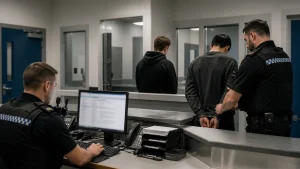
After suspects are arrested, the legal process begins with custody and questioning. Evidence collected during and after the incident is reviewed, including witness statements, CCTV footage, and forensic analysis. This ensures that charges are supported by strong evidence.
Suspects may be held in custody while investigations continue. Depending on the severity of the offences, they may be charged and brought before a court.
The judicial process then determines the outcome, which could include imprisonment, fines, or rehabilitation programmes.
How Do Police Reassure the Public After Violent Incidents?
Police forces prioritise community reassurance following incidents involving violence or public risk. This includes increasing patrols, engaging with local residents, and providing updates through official channels. Transparency is key to maintaining trust.
Officers may also work with community leaders to address concerns and prevent further incidents. This collaborative approach helps create a sense of stability and security within affected areas.
“Superintendent James Holloway states: “Reassurance policing is about visibility and communication. When communities see officers present and informed, it significantly reduces fear and restores confidence.””
What Role Do Witnesses and Public Footage Play in Investigations?
Witnesses and public footage play a crucial role in modern policing. With many individuals carrying smartphones, incidents are often recorded from multiple angles. This footage can provide valuable evidence that supports investigations and helps identify suspects.
Police often appeal to the public for information, encouraging those who witnessed the event to come forward. Even small details can contribute to building a comprehensive understanding of what occurred.
Importance of Public Evidence
| Evidence Type | Contribution |
| Witness statements | First-hand accounts |
| Mobile footage | Visual proof of events |
| CCTV recordings | Timeline verification |
| Social media posts | Additional leads |
How Can Dangerous Police Chases Be Prevented in the Future?

Preventing dangerous police chases requires a combination of enforcement, education, and community engagement.
Addressing the root causes of youth crime is essential in reducing such incidents. This includes providing support systems, education, and opportunities for young people.
Police also continuously review pursuit policies to ensure they remain effective and safe. Advances in technology, such as improved tracking systems, can reduce the need for high-speed pursuits altogether.
What Does This Incident Reveal About Youth Crime in the UK?
The Preston case highlights ongoing concerns about youth involvement in criminal activity. While the incident was described as isolated, it reflects broader issues related to access to weapons and risky behaviour among young individuals.
Efforts to address youth crime must focus on prevention as well as enforcement. Community programmes, education, and early intervention can play a significant role in reducing the likelihood of such incidents occurring.
Conclusion
The incident involving armed teenagers leading police on a dangerous car chase in Preston demonstrates the complexity of modern policing.
UK police rely on structured tactics, legal frameworks, and community cooperation to manage such high-risk situations effectively. While the immediate threat was contained and suspects arrested, the event highlights the importance of prevention, public awareness, and ongoing support for communities.
By combining enforcement with education and engagement, authorities can reduce the likelihood of similar incidents and ensure safer environments for everyone.
FAQs
What should members of the public do if they witness a police chase?
Members of the public should prioritise their safety by staying clear of the area and avoiding interference. If safe to do so, they can provide information or footage to police to assist investigations.
Are police allowed to pursue suspects at high speeds in residential areas?
Yes, but only under strict guidelines. Officers must assess risk continuously and may terminate pursuits if the danger to the public outweighs the need to apprehend suspects.
What is an offensive weapon under UK law?
An offensive weapon is any item made or intended to cause harm. This includes knives, batons, and other objects carried without lawful reason.
Can teenagers be charged the same as adults for serious offences?
Teenagers can face serious charges, though sentencing may differ depending on age and circumstances. Courts consider both the offence and the offender’s background.
How do police decide when to stop a pursuit?
Police assess factors such as traffic conditions, risk to the public, and the severity of the offence. If risks become too high, the pursuit may be discontinued.
What is a TPAC manoeuvre in UK policing?
TPAC is a tactical method used by police to safely stop fleeing vehicles. It involves coordinated positioning of police cars to control and halt the suspect vehicle.
How can communities help reduce youth-related crime?
Communities can support prevention by engaging young people, reporting concerns, and working with local authorities to create safer environments.