Key Takeaways
- Robbie Keane transitioned from elite footballer to professional manager and coach.
- His management style is influenced by his successful playing career.
- Several coaching and managerial roles have shaped his leadership identity.
- His managerial record highlights growth, adaptability and attacking football principles.
- 2026 continues to be an important stage in his football management journey.
Who Is Robbie Keane and Why Does His Managerial Career Attract Attention?
Robbie Keane is widely recognised as one of Ireland’s most accomplished football figures. While his reputation was initially built through an outstanding playing career and goalscoring achievements, interest in his post-playing career has continued to grow as he moved into football management and coaching.
Keane’s transition attracted immediate attention because he entered management carrying decades of elite-level football experience. Having represented major clubs and competed internationally for many years, expectations around his leadership potential were naturally high.
Supporters and football observers continue to follow his progress because former elite players do not always become successful managers. Keane’s development therefore remains a subject of interest, especially as he continues to establish his own identity away from his playing legacy.
His approach combines modern coaching methods with practical experience gained at the highest levels of football.
How Did Robbie Keane Transition From Professional Football to Management?
Moving from elite player to manager required a shift in responsibilities, decision-making and long-term planning.
Early Coaching Experience
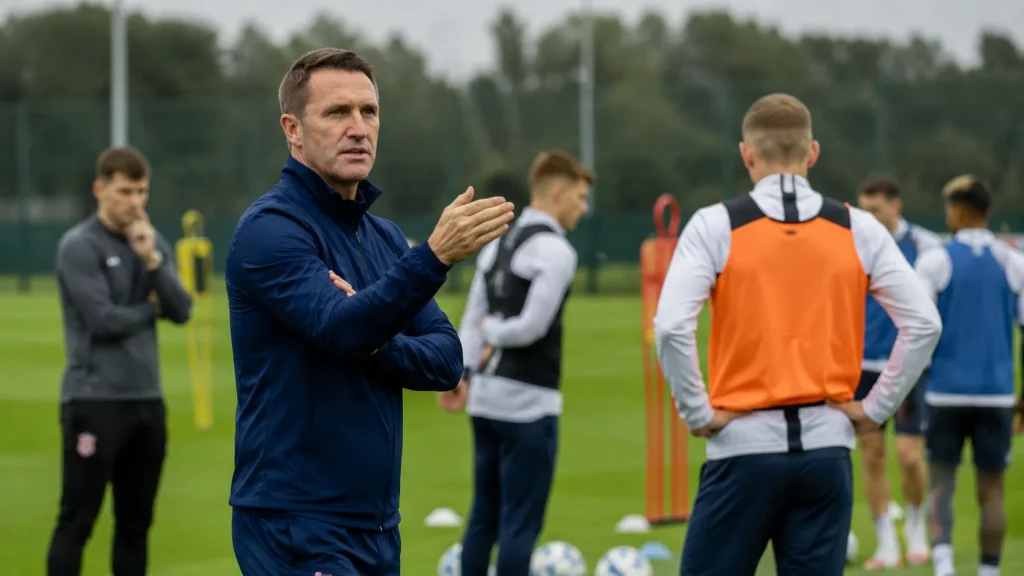
Following retirement from professional football, Keane gradually moved into coaching positions that allowed him to gain practical experience within professional environments.
Rather than stepping immediately into long-term management, he worked closely with coaching teams, learning tactical preparation, squad management and match analysis.
Building a New Career Beyond Playing
The move into management demanded more than football knowledge.
Areas of development included:
- Leadership communication
- Tactical organisation
- Player development
- Match preparation
- Recruitment understanding
Keane’s progression reflects a measured pathway rather than a rushed move into management.
Martin O’Neill: “Robbie always carried leadership qualities during his playing years and understood dressing-room dynamics exceptionally well.”
What Are Robbie Keane’s Latest Managerial Updates in 2026?
As of 2026, Robbie Keane remains one of the more closely watched former international players building a long-term managerial career.
Recent discussions surrounding his career continue to focus on:
- Managerial development
- Tactical maturity
- Potential opportunities at larger clubs
- International football possibilities
Football commentary increasingly views Keane not only as a former player but as an emerging managerial personality capable of operating within demanding environments.
His profile has grown due to his ability to combine experience with contemporary football principles.
Which Teams Has Robbie Keane Managed Throughout His Career?
Robbie Keane’s managerial and coaching pathway reflects gradual progression rather than immediate high-profile appointments.
Assistant and Coaching Positions
Assistant and specialist coaching roles helped build his understanding of team operations before taking greater responsibility.
Robbie Keane Career Progression Overview
| Stage | Role Type | Main Focus |
| Professional Player | Senior Football Career | Elite competition experience |
| Coaching Roles | Player Development | Tactical education |
| Assistant Management | Squad Preparation | Leadership exposure |
| Management Roles | Full Team Responsibility | Strategic decision-making |
This progression demonstrates a structured transition into management rather than relying solely on reputation.
How Has Robbie Keane Performed as a Football Manager?
Evaluating managerial performance involves more than wins and losses.
Important factors include:
- Squad improvement
- Tactical consistency
- Match adaptability
- Team identity
- Long-term planning
Keane’s management profile has shown an emphasis on proactive football.
Observers frequently note that he appears comfortable encouraging offensive movement and maintaining confidence within squads.
Unlike some managers who adopt conservative structures, Keane’s teams often attempt to control momentum through movement and attacking transitions.
What Is Robbie Keane’s Managerial Record and Win Percentage in 2026?
Managerial records provide useful indicators but should always be interpreted alongside squad quality, league difficulty and project timelines.
Match Statistics and Performance Overview
| Performance Area | Importance |
| Win Percentage | Measures consistency |
| Goals Scored | Indicates attacking quality |
| Defensive Record | Shows organisation |
| Player Improvement | Demonstrates coaching value |
| League Position | Reflects overall competitiveness |
| Squad Stability | Measures leadership effectiveness |
A manager’s record should never be viewed in isolation.
For Keane, performance assessment increasingly includes his ability to improve players and establish a recognisable identity.
What Tactical Style Does Robbie Keane Use as a Manager?
Tactics remain one of the most discussed areas of Robbie Keane’s managerial profile.
His football philosophy generally reflects principles developed during his playing years:
- Forward movement
- Quick transitions
- Positional flexibility
- Creative attacking sequences
- High player engagement
Keane appears to favour football that creates opportunities rather than passive defensive approaches.
His understanding of attacking spaces gives him a unique perspective when developing offensive systems.
Roy Keane: “Modern management demands more than motivation, Robbie understands attacking movement because he lived it for years at the top level.”
Managers with strong playing backgrounds often translate game situations effectively into coaching sessions.
How Have Robbie Keane’s Playing Experiences Influenced His Coaching Philosophy?
Playing at elite level can shape managerial thinking significantly.
Keane’s experiences across multiple leagues exposed him to:
- Different tactical systems
- Various leadership styles
- Diverse training approaches
- International competition standards
These experiences likely contribute to flexibility in his management style.
His coaching decisions often reflect a balance between structured systems and player freedom.
Former attacking players frequently prioritise confidence and creativity within squad environments.
What Are Robbie Keane’s Biggest Achievements and Milestones as a Manager?
Every developing manager builds credibility through milestones.
For Robbie Keane, important areas include:
- Transition into professional coaching
- Recognition within football management circles
- Establishing tactical identity
- Building leadership credentials
Achievements in management are often measured over time.
Short-term success gains attention, but sustained improvement defines managerial quality.
Keane’s continued visibility in football discussions indicates growing recognition of his work beyond playing achievements.
How Does Robbie Keane Compare With Other Former Footballers Turned Managers?
Comparisons are common when evaluating former players entering management.
Former Player vs Manager Development Factors
| Factor | Robbie Keane | Typical Former Player Path |
| Playing Experience | Extensive | Varies |
| International Exposure | High | Moderate |
| Coaching Development | Structured | Mixed |
| Tactical Identity | Developing | Often evolving |
| Leadership Expectations | High | Moderate |
What separates successful transitions is often adaptability.
Many former players struggle because management requires different skills from performance on the pitch.
Keane’s approach appears focused on building managerial credibility independently.
What Challenges Has Robbie Keane Faced During His Management Career?
Every management journey includes pressure and scrutiny.
Challenges commonly associated with Keane’s progression include:
- Comparisons to his playing career
- Expectations from supporters
- Building authority as a manager
- Adapting to evolving football trends
Managers are judged quickly.
Results influence perception, but long-term development often reveals stronger indicators of coaching quality.
Keane’s ability to continue evolving remains an important part of his managerial narrative.
What Do Players, Fans and Football Analysts Say About Robbie Keane’s Leadership?
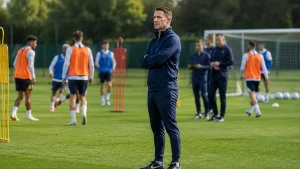
Leadership perception matters greatly in football.
Many discussions surrounding Keane focus on:
- Communication style
- Player relationships
- Match preparation
- Positive dressing-room influence
Strong leadership extends beyond tactics.
Managers increasingly succeed through trust, structure and emotional intelligence.
Harry Redknapp: “Robbie understands players because he spent years competing at elite level and knows how to keep standards high without losing connection.”
This combination of experience and relatability remains valuable in modern football environments.
Could Robbie Keane Manage a Bigger Club or National Team in the Future?
Future opportunities depend on continued development and results.
Keane’s profile suggests potential pathways including:
- Larger domestic clubs
- European football environments
- National team opportunities
- Expanded leadership roles
Managers who continue evolving tactically often create broader opportunities.
His international reputation may support future advancement.
What Is the Future Outlook for Robbie Keane’s Managerial Career Beyond 2026?
The years beyond 2026 could become defining for Robbie Keane’s managerial identity.
Key factors that may shape his future include:
- Consistent performance
- Long-term project management
- Tactical innovation
- Squad development
Managers increasingly build reputations through adaptability rather than immediate success.
Keane’s future trajectory will likely depend on demonstrating sustainable growth.
What Are the Most Important Facts to Know About Robbie Keane’s Manager Profile?
Career Snapshot Table
| Category | Summary |
| Profession | Football Manager and Former Professional Footballer |
| Management Style | Progressive and Attack-Oriented |
| Leadership Focus | Player Development |
| Strength Areas | Experience and Tactical Understanding |
| Reputation | Emerging Managerial Figure |
| 2026 Outlook | Continued Career Growth |
Robbie Keane’s managerial profile reflects ambition, football intelligence and a gradual evolution into leadership.
Conclusion: What Defines Robbie Keane’s Journey as a Football Manager?
Robbie Keane’s move into football management demonstrates a deliberate effort to build credibility beyond his achievements as a player. His managerial profile in 2026 reflects development, tactical learning and growing leadership experience.
While comparisons to his playing career remain inevitable, his coaching pathway continues to establish a separate identity based on team management and football philosophy. As expectations increase, future opportunities will depend on performance, consistency and continued adaptation. Keane’s progress suggests that his management career remains one of the more interesting stories to follow in modern football.
FAQ
What coaching qualifications does Robbie Keane hold?
Robbie Keane developed his coaching credentials through professional football environments and practical coaching experience. Qualifications and continued education remain important parts of his management development.
Has Robbie Keane managed outside Europe?
His career pathway includes exposure to international football environments through playing and coaching roles. International experience continues to influence his managerial outlook.
What formation does Robbie Keane prefer as a manager?
Tactical approaches can vary depending on squad composition, but his teams are often associated with attacking principles and flexible movement.
Which managerial role brought Robbie Keane the most attention?
Roles connected to professional club football and senior coaching structures significantly increased attention around his managerial potential.
Is Robbie Keane considered a successful football manager?
His managerial reputation continues to develop. Assessment generally focuses on tactical growth, leadership and long-term progression.
What experience did Robbie Keane gain before becoming a head coach?
Before taking greater responsibility, he gained experience through coaching environments, tactical preparation and supporting football operations.
What could be the next step in Robbie Keane’s management career?
Future possibilities may include larger club opportunities, expanded leadership positions or involvement with national football projects.